Inside the Not-So-Dumb Head of the Dodo Bird
Cranial scans reveal a brain with clever sensory adaptations The post Inside the Not-So-Dumb Head of the Dodo Bird appeared first on Nautilus .
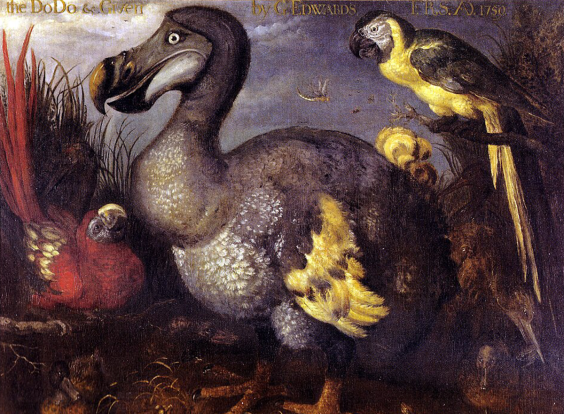
Recent cranial scans have revealed that dodo birds were not as intellectually inept as they were once perceived to be. European sailors who encountered the flightless dodos on Mauritius in the 16th century labeled them as "Didus ineptus," meaning "inept bird." Although the dodo's brain had long disappeared, its imprint on the skull's internal cavities provided valuable insights into its sensory abilities.
Researchers from the University of Lethbridge in Canada used digital reconstruction techniques to compare the dodo's brain structure with that of 36 living Columbiformes, its closest living relatives. The findings showed that the dodo's forebrain, responsible for memory and cognition, was proportionately similar in size to that of pigeons.
This suggests that the dodo's wobbly behavior around sailors was likely a result of its predator-free environment rather than a lack of intelligence. Interestingly, the dodo's optic lobes were significantly smaller than those of pigeons, indicating that its vision might have been more suited for low-light conditions, such as dawn, dusk, and nighttime.
The dodo's high-domed skulls and enlarged olfactory bulbs also suggest that it had heightened senses of smell and a keen sense of environment, which would have been advantageous for its nocturnal activities.
Written by urgent.news from Nautilus's reporting — not their text. Machine-written — may contain errors; check the original before relying on it.