Infectious disease: More than 240 cases of West Nile fever in Europe
Since the start of the season, Europe has reported more than 240 cases of West Nile fever. Italy is particularly affected. The WHO has called for increased vigilance.
In Europe, more than 240 infections with the West Nile virus have been reported since the start of the season.
A total of 241 cases were registered in seven European countries up to last Wednesday, in which people were infected locally - they had not been infected while traveling.
The European Centre for Disease Prevention and Control (ECDC) reported 139 cases from Italy, 61 from Greece, 17 from Spain and 13 from North Macedonia.
According to the report, six cases were registered in Romania, four in France and one in Germany.
This was in the Rhein-Pfalz district in Rhineland-Palatinate, as already known at the end of July.
A total of five cases were registered in Germany this year.
20 percent of those infected develop flu-like illnesses
Overall, 59 areas in Europe are affected.
More than half of these areas - 36 - are in Italy, particularly in the north of the country.
However, the authority emphasized that this is not a comprehensive representation of the transmission process.
The World Health Organization (WHO) had recently called for increased vigilance due to several cases of West Nile fever in Southern Europe.
According to the Robert Koch Institute (RKI), about 20 percent of those infected develop a febrile, flu-like illness.
Only about one in 100 infected people become seriously ill.
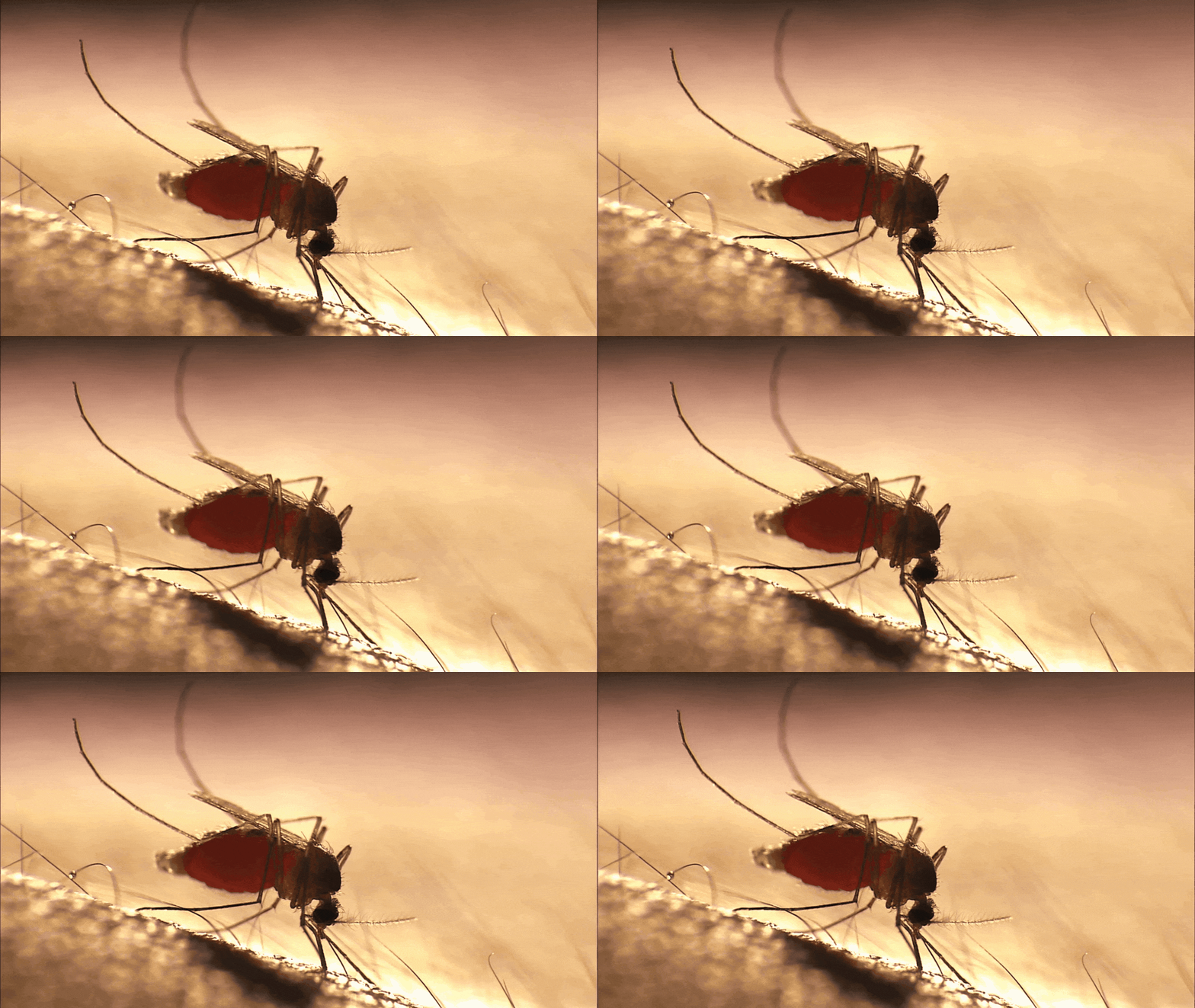
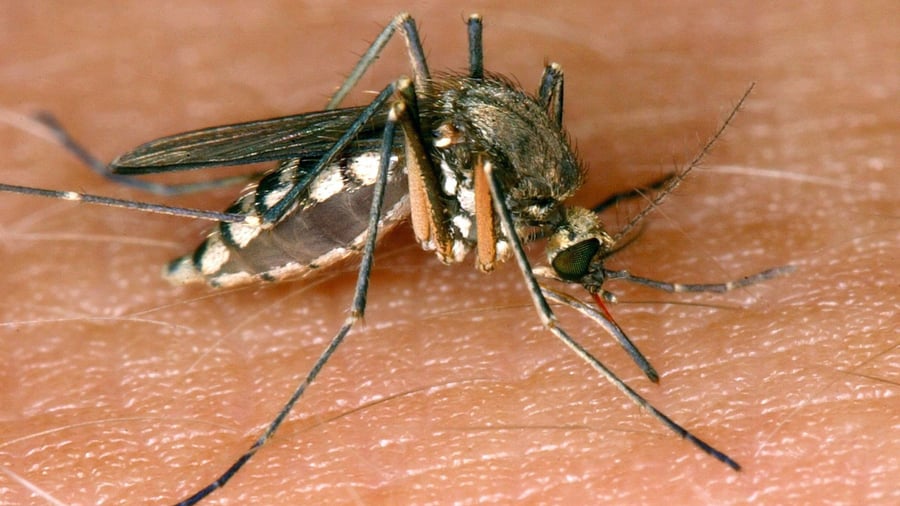
The virus is mainly transmitted between wild birds by mosquitoes.
But the mosquitoes can also infect humans.
West Nile fever usually heals without complications, only in severely ill patients are late effects relatively common.
How to protect oneself
The RKI states that West Nile fever, caused by viruses, is treated symptomatically.
There is no specific therapy and no vaccine.
In places with known mosquito infestation, the RKI recommends wearing long-sleeved shirts or blouses and long pants.
In addition to insect repellents, mosquito nets and window screens are also useful.
In the living environment, mosquito breeding sites should be eliminated as far as possible.
The insects also lay eggs in small water accumulations - such as buckets, saucers and clogged gutters.
Translated by urgent.news. Machine-written — may contain errors; check the original before relying on it.