India lags behind in race for fifth generation fighter jet; Turkey surges ahead
Turkey's KAAN fighter program is advancing rapidly with prototype testing and planned deliveries. India's AMCA program faces delays in engine selection and stealth material development. The KAAN's multi-prototype strategy accelerates its development timeline significantly. India's AMCA first flight is unlikely before the early 2030s. This progress gap could leave India behind in fifth-generation…
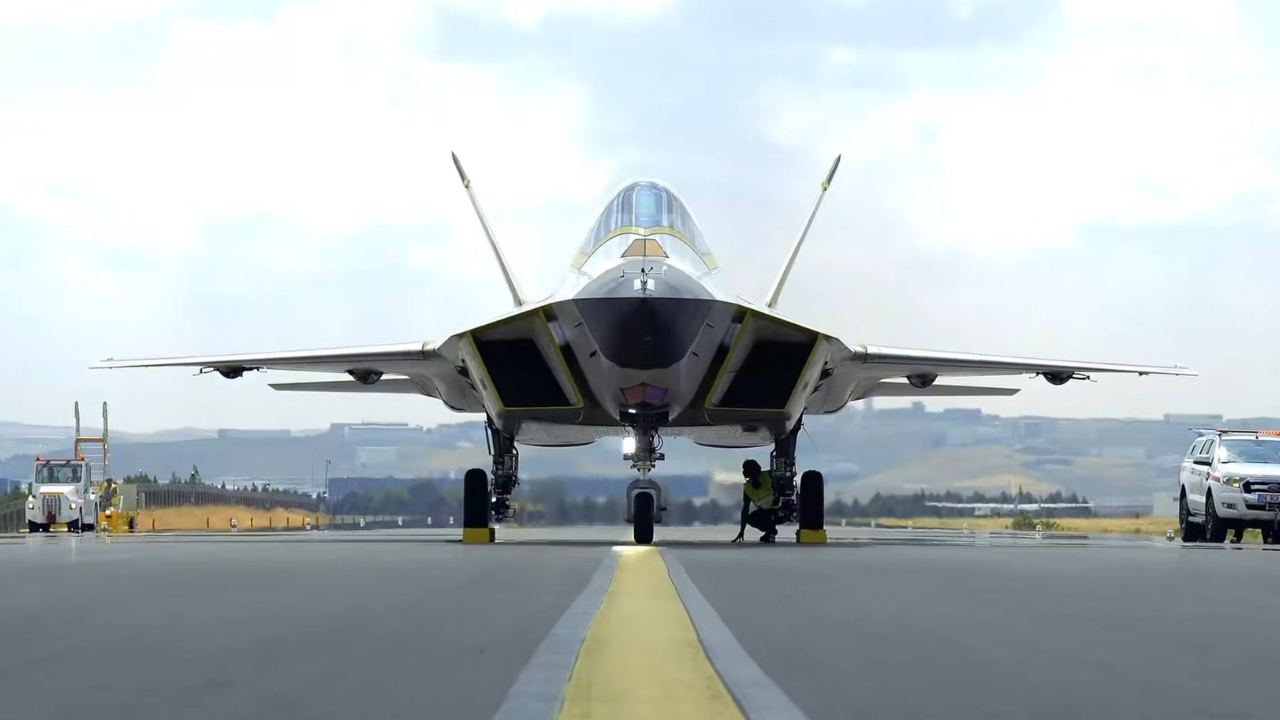
India finds itself trailing in the pursuit of a fifth-generation fighter jet, while Turkey surges ahead with its KAAN platform. The KAAN, rooted in Turkey’s National Combat Aircraft initiative, has already undergone powered taxi trials, with its maiden flight set to occur soon. This rapid advancement is attributed to the testing of multiple prototypes and the development of indigenous technologies like the TF35000 engine.
In contrast, India’s Advanced Medium Combat Aircraft (AMCA) remains ensconced in the design stage, with no prototype yet built. The program, jointly operated by the Aeronautical Development Agency and Hindustan Aeronautics Limited, is expected to commence flight tests only by the early 2030s. Delays in engine selection, progress in stealth materials, and a lack of parallel prototyping are hindering its timeline.
Engine issues also loom large for India, with negotiations for the GE F414 engine, which will power both the prototype and the initial production variant, stalled. Despite India and the US agreeing to an 80% technology transfer, the deal remains incomplete due to cost escalations and other complications.
Turkey’s strategic approach—focusing on rapid prototyping, indigenous sensor integration, and political commitment—has compressed development timelines and reduced reliance on foreign partnerships. If India fails to accelerate its processes and bolster its indigenous capabilities, it risks widening the gap in the race to deploy fifth-generation fighters, a situation exacerbated by China’s existing fleet and Pakistan’s anticipated acquisition from Beijing.
Written by urgent.news from Times of India's reporting — not their text. Machine-written — may contain errors; check the original before relying on it.