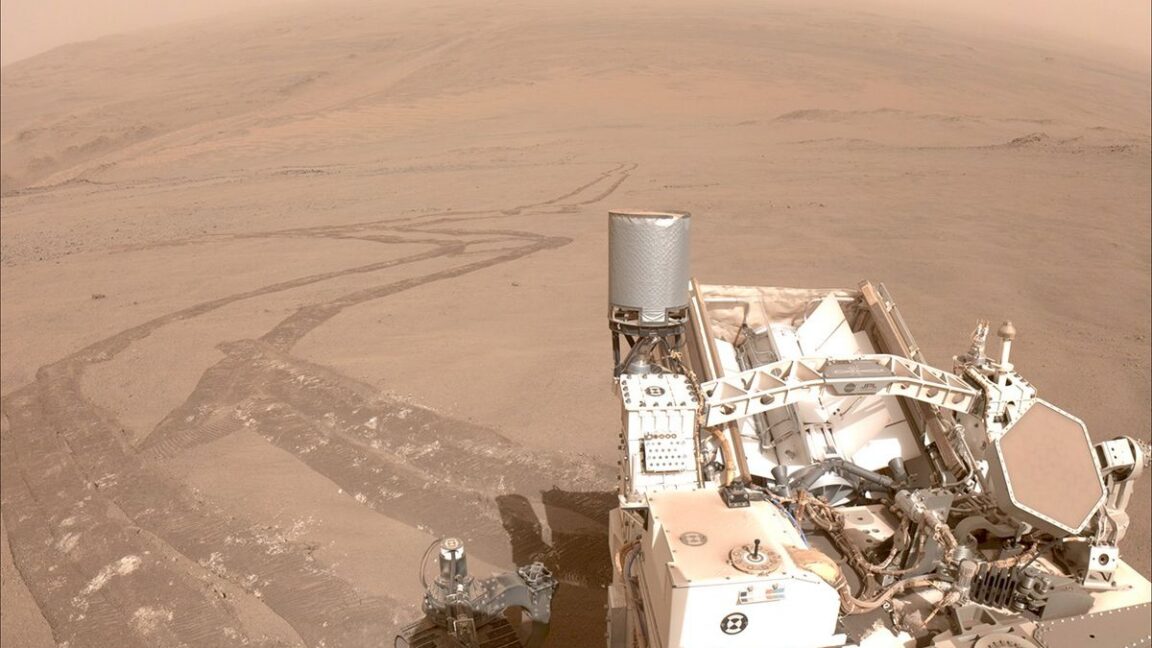
Here Are the First Images of the Crater Left on the Moon by SpaceX’s Rocket
The Korea Aerospace Research Institute shared images that show the gash on the surface. It’s pretty small.
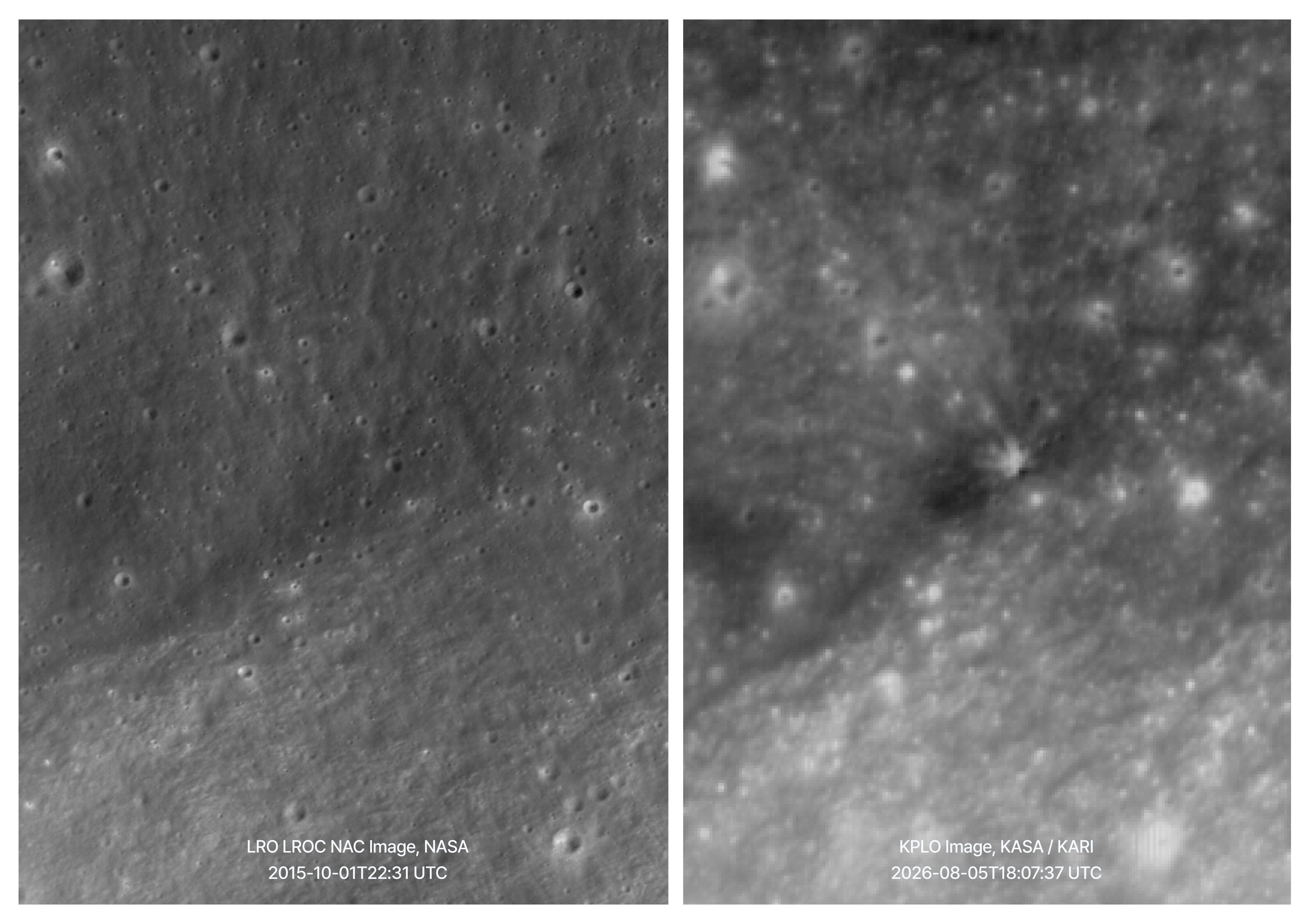
The Korea Aerospace Research Institute (KARI) has released the first images of the crater created on the moon's surface by SpaceX's Falcon 9 rocket. This marks the first visual evidence of such an impact. The South Korean space agency had previously photographed the area both before and after the event, revealing signs of a recent collision.
Astronomers predicted that this impact would result in a crater dozens of feet across and nearly 12 feet deep. Confirming this, NASA's Very Large Telescope detected sodium and lithium rising from the lunar surface, pinpointing the rocket fragment's impact. Despite astronomers being able to predict the Falcon 9 impact well in advance, days before the collision, space agencies like NASA cautioned that observing the moment of impact would be challenging due to weather conditions and timing.
Typically, NASA employs lunar orbiters for such observations, but higher-resolution images of the crater may take some time to become available. The moon's diameter is approximately 2,160 miles, offering context for the size of the crater. The Falcon 9 rocket, originally launched in January 2025 to deliver lunar landers, made its crash landing after spending over a year in an unstable orbit.
Over time, a combination of Earth, moon, and sun's gravity altered its trajectory, leading to the impact. SpaceX, while aiming for responsible space operations, noted that in high-energy missions like lunar transfers, controlling the deorbiting of the rocket's second stage is not feasible. The agency is working with NASA to ensure space safety, emphasizing that such impacts, though rare, are a possibility in such orbits.
Written by urgent.news from Wired's reporting — not their text. Machine-written — may contain errors; check the original before relying on it.
This story
This is one outlet's version. Read the fullest account.
- Skyroot’s frugal rocket formula and why it won’t follow SpaceX techinasia.com
- Here Are the First Images of the Crater Left on the Moon by SpaceX’s Rocket wired.com
- SpaceX's wandering Falcon 9 rocket has crashed into the moon engadget.com
- An Abandoned SpaceX Rocket Crashed Into the Moon. Here’s What Happened cnet.com
- A SpaceX rocket likely crashed on the moon mashable.com