Chip off the old bloc: Thailand looks to Siam Silica to propel it to top Asean player
Thailand launched its Siam Silica framework last week, a national road map that stamps the Southeast Asian country’s stake in the semiconductor race by building a domestic ecosystem and positioning it as a key hub within an integrated supply chain among Asean member states. However, analysts say that the country will have much ground to cover as it trails behind neighbours Malaysia and Singapore.…
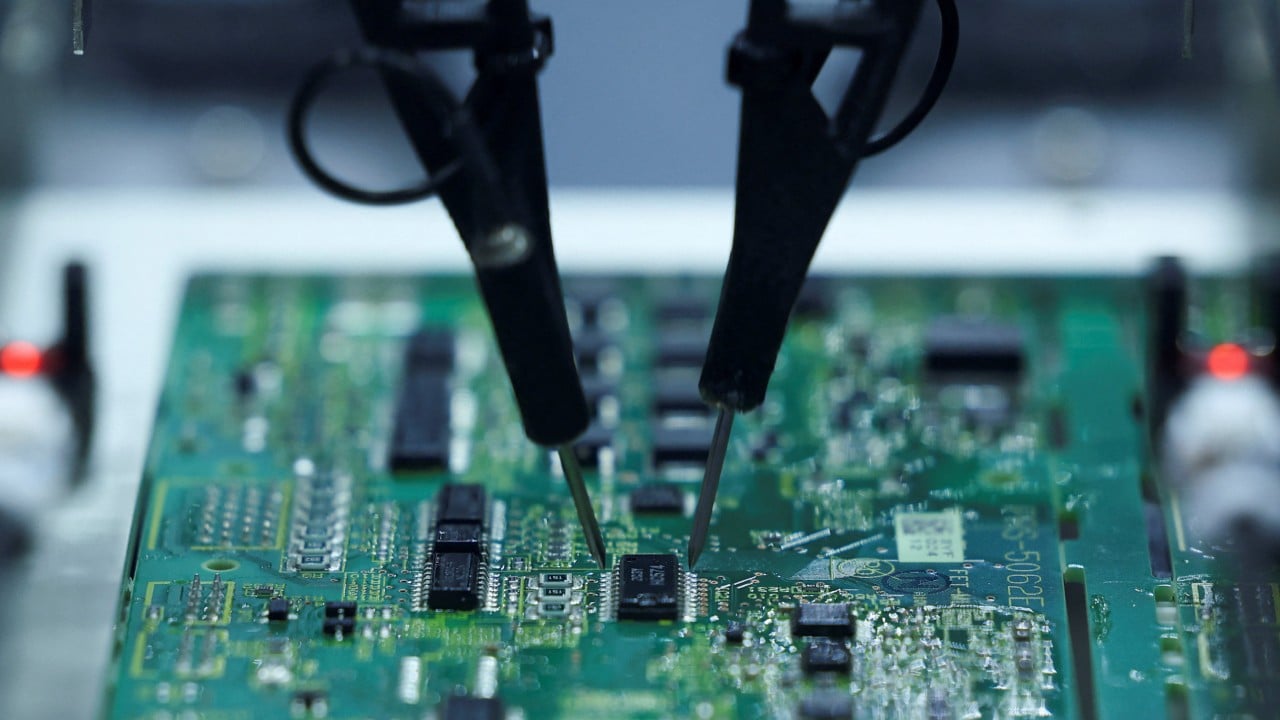
Thailand has launched a national road map called the Siam Silica framework to establish itself as a key player in the global semiconductor industry. The plan, unveiled by the Ministry of Higher Education, Science, Research and Innovation on July 27, aims to build a domestic ecosystem that will position Thailand as a hub within an integrated supply chain among Asean member states. The country's minister, Yodchanan Wongsawat, has called semiconductor development a national priority.
The Siam Silica framework targets five key areas: photonics fabrication, advanced packaging, silicon design, quantum photonics, and power devices. By 2030, Thailand aims to create eight integrated circuit design companies, one semiconductor fabrication plant, and two advanced semiconductor packaging facilities. To support this ambitious plan, the ministry has announced the launch of a Higher Education Sandbox degree programme and the recruitment of over 1,500 lecturers, researchers, and engineers through its STEMPlus platform.
However, analysts point out that Thailand has much ground to cover in order to catch up to its neighbors Malaysia and Singapore. Thailand has a smaller semiconductor export value compared to these countries, making it highly unlikely that it could realistically catch up in the near term. Additionally, Thailand currently specializes in back-end semiconductor work, such as assembly, packaging, and testing, while front-end chip manufacturing and design demand highly specialized technology and skills that are not readily available in the country.
Despite these challenges, Thailand's policy appears to be "well-designed" and "appropriately ambitious and realistic." The country's focus on skill pipelines, rationalising government support mechanisms, and leveraging regional cooperation is seen as positive. However, Thailand will need to be realistic in its expectations, as it is trying to build this ecosystem in a relatively short period of time when compared to Singapore and Malaysia, which have been working on this for decades.
Written by urgent.news from South China Morning Post's reporting — not their text. Machine-written — may contain errors; check the original before relying on it.