Brain scans reveal widespread structural and functional changes in patients following COVID-19 infection
A systematic review of 49 imaging studies highlights how COVID-19 affects the human brain. Researchers found widespread structural and functional changes in areas responsible for memory, emotion, and attention, providing insight into enduring neurological symptoms like brain fog.
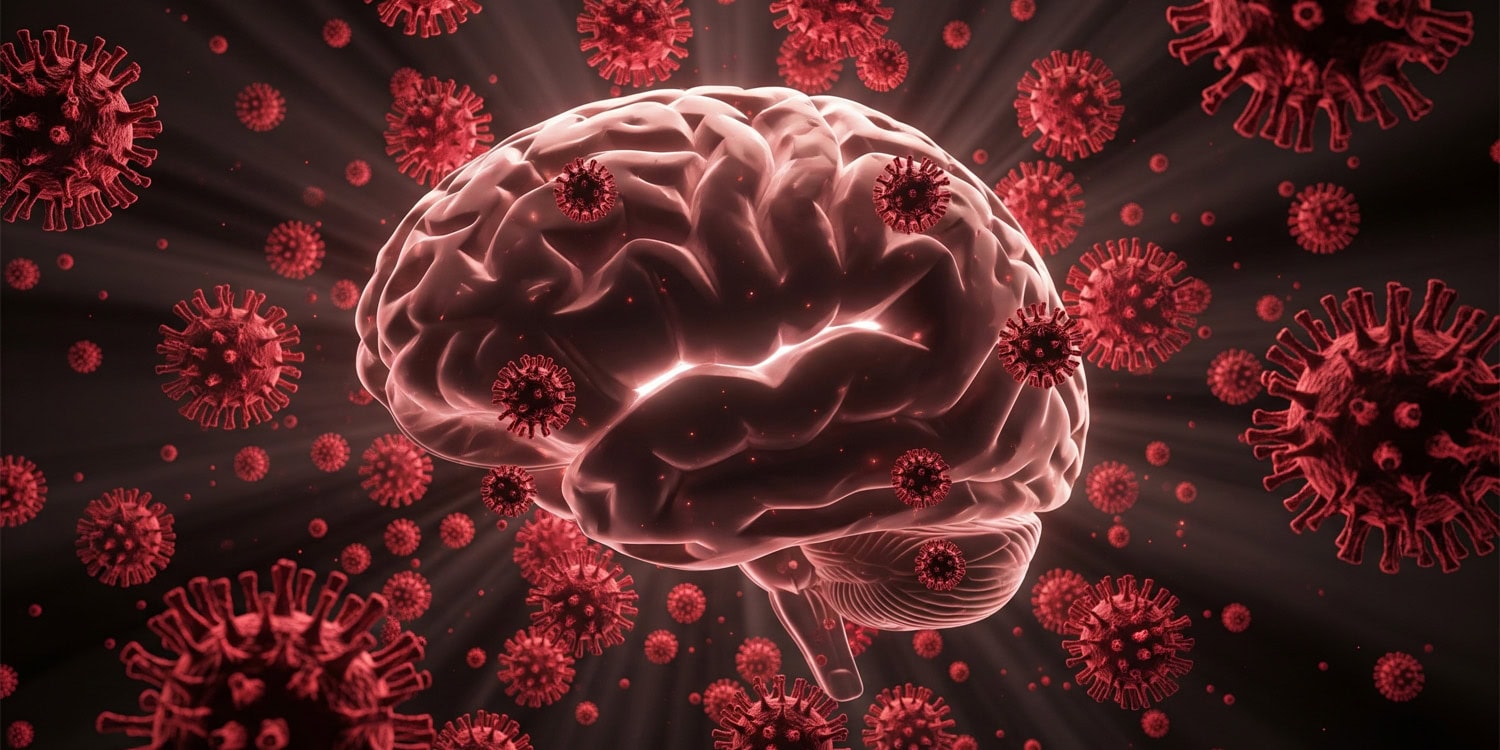
Recent analysis of 49 brain imaging studies reveals COVID-19 is linked to widespread structural and functional alterations in the human brain. These changes may explain neurological symptoms like brain fog, fatigue, and memory loss experienced by many patients. The research, published in Cerebral Cortex, synthesized data from existing medical studies using magnetic resonance imaging to map the virus's impact on the central nervous system.
Researchers examined different brain tissue types, comparing scans of COVID-19 patients to healthy individuals at various disease stages. Consistent abnormalities were found in several key regions, including the frontal lobe responsible for decision-making and cognitive control, as well as the temporal and parietal lobes involved in sensory processing and attention.
Structural changes in the frontal lobe might explain cognitive control loss, while impaired auditory processing in the temporal lobe and visual/spatial attention in the parietal lobe can contribute to chronic fatigue and attention difficulties. Overall gray matter volume reductions and cortical layer thinning could result from reduced oxygen supply or severe immune system inflammation.
Abnormal water diffusion in white matter indicates damaged nerve fibers, even in patients with mild symptoms. Altered synchronization in the limbic system correlates with anxiety, depression, and PTSD, while working memory tasks show reorganized brain resource allocation. The thalamus, a deep subcortical nucleus with high metabolic demands, was particularly vulnerable to reduced blood flow.
However, the cross-sectional nature of the studies and lack of pre-infection baseline scans limits definitive causation claims, with individual preexisting biological differences complicating the findings.
Written by urgent.news from PsyPost's reporting — not their text. Machine-written — may contain errors; check the original before relying on it.