After 2 weeks with the Garmin Cirqa, I've fallen back in love with 'vibe running' and ditched my regular watch — and the Strava obsession it enables
The Garmin Cirqa has freed me from the clutches of 'Strava-itis' and got me back into running based on vibes.
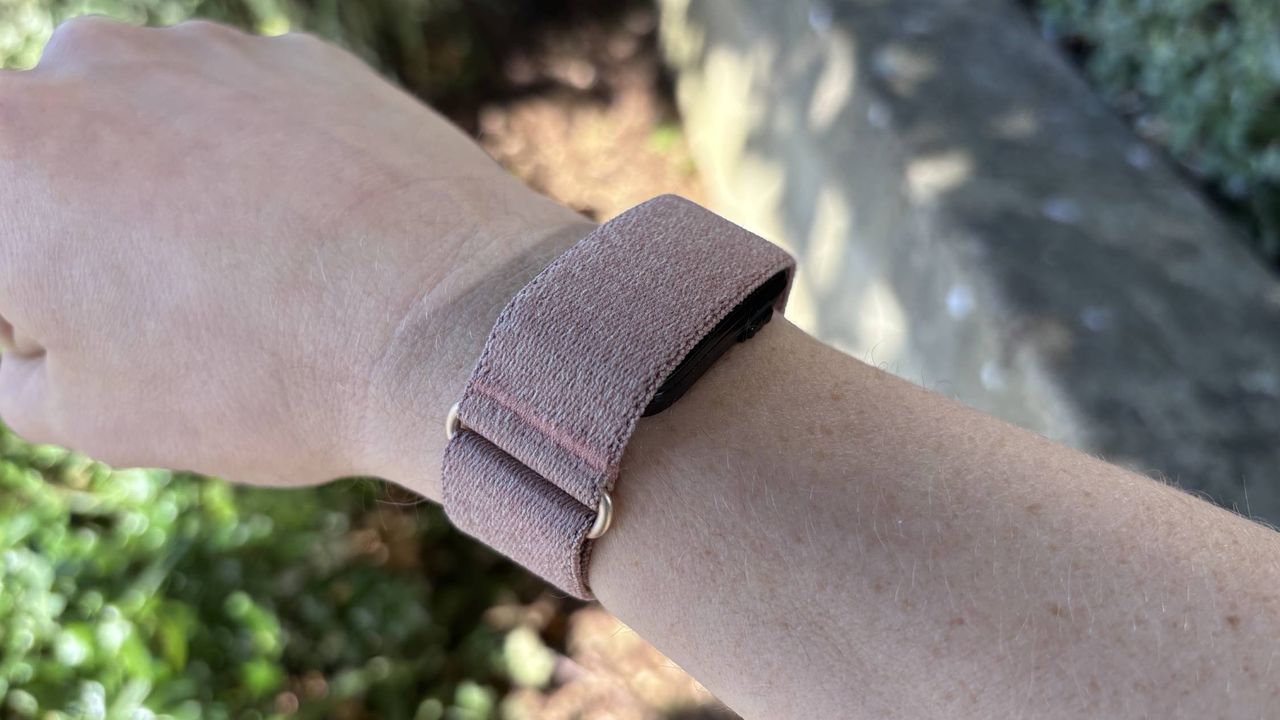
The Garmin Cirqa has captured my attention in the fitness realm, earning a 4.5-star rating from my thorough 10-day evaluation. I've been utilizing it for every workout over the past few weeks, and I remain attached to it even now. Typically, I switch between an Apple Watch Ultra 3 or a Garmin Fenix 8, but the Cirqa's staying power has surprised me.
It's not just because of its performance; it's also due to the device's compatibility with my existing system and its role in aiding me to overcome the pervasive "Strava-itis." In a recent article, Becca Caddy discussed how wearables can foster unhealthy mindsets and disordered behaviors, a sentiment I can personally vouch for. During my runs, I often found myself checking my watch, striving to maintain a faster pace even during low-intensity sessions, all in the name of showcasing my Strava stats.
This constant monitoring has been a hindrance to my enjoyment of exercise, as it fosters subconscious judgment, comparison to peers, and a preoccupation with performance metrics. The Garmin Cirqa, along with the Google Fitbit Air I tested earlier, aims to address this issue. While the Cirqa provides fitness and wellness metrics, it doesn't offer detailed workout specifics like pace per kilometer or heart rate zones.
This lack of real-time data can be a blessing during daily fitness training, as it allows me to focus on how my body feels and respond accordingly, rather than being distracted by numbers. On a 10km route, the Cirqa recorded heart rate-based statistics and applied them to recovery metrics, such as my Training Readiness Score, VO2 Max, and Fitness Age.
However, it only provided this information post-run, without offering any specific run performance data during the workout. This absence of real-time feedback allowed me to concentrate on my body's response, my form, and the environment around me. I found myself running with vibes and perceived effort, rather than adhering to a target pace.
I didn't feel guilty about taking breaks or pausing the Cirqa during the run, as doing so would invalidate the workout overview it provided. For the first time in a while, I ran without the guilt of checking my watch, solely relying on my body's signals. This experience has reignited my passion for running, and when my training resumes, I plan to switch back to my trusted Garmin watch once speed and times are back on the agenda.
Do you prefer running without a fitness tracker or using a screenless model to better enjoy your runs, or are you a metrics enthusiast sporting a dedicated running watch? Share your thoughts in the poll below.
Written by urgent.news from TechRadar's reporting — not their text. Machine-written — may contain errors; check the original before relying on it.
This story
This is one outlet's version. Read the fullest account.