Lebanese government demands conditions in order to approve extension of Solidere mandate
The Lebanese government has laid down a number of conditions before it can agree to extend the mandate of Solidere, the property company which rebuilt much of Beirut's destroyed downtown after the civil war. A public-private partnership with a mandate set to expire in 2029, Solidere has requested a 25-year extension – more than 30 years after the then prime minister Rafic Hariri had tasked the…
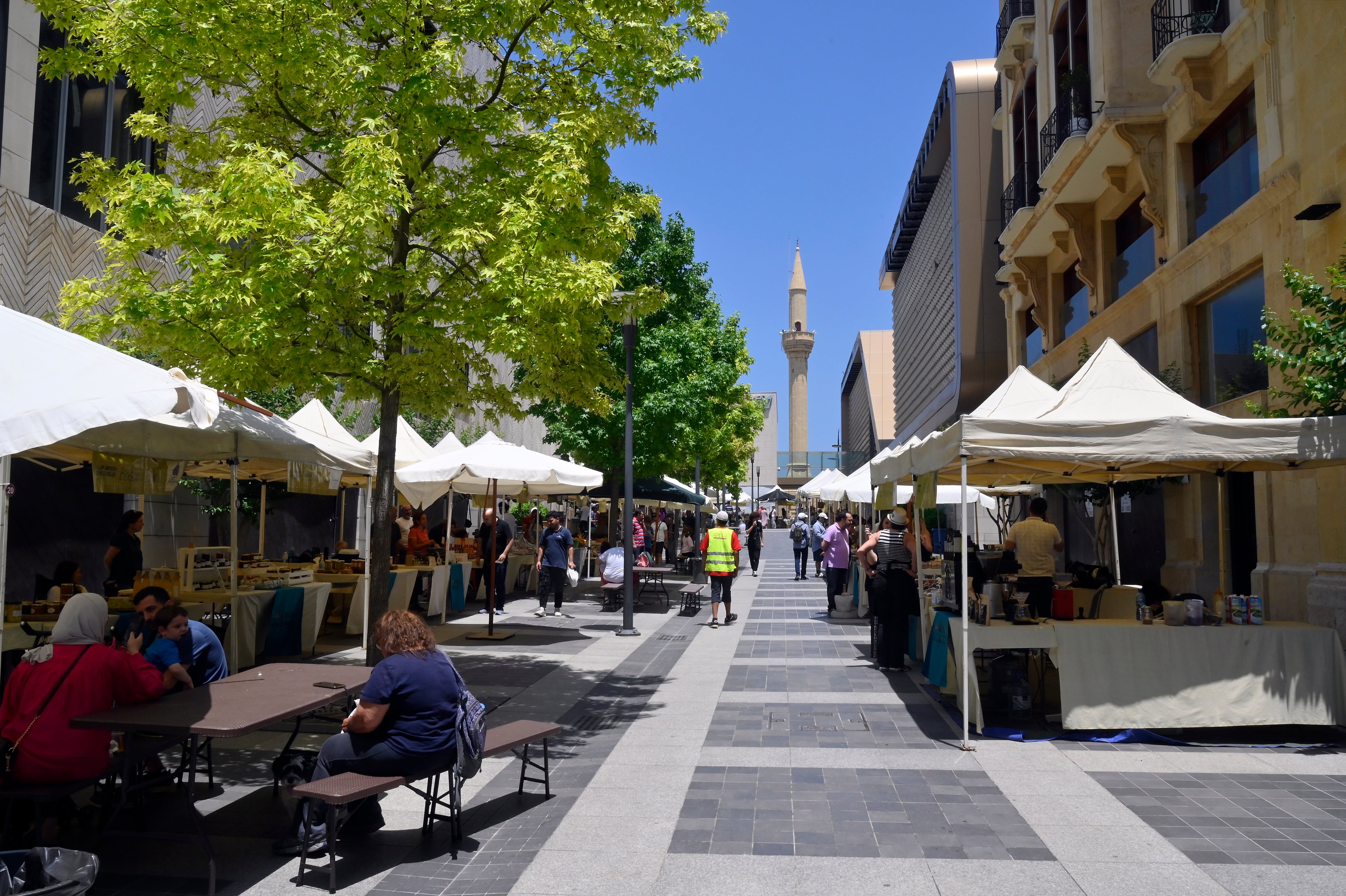
The Lebanese government has set forth several conditions that must be met before approving an extension of Solidere's mandate, the property firm responsible for rebuilding Beirut's central district following the country's civil war. Solidere has sought a 25-year extension, with the mandate originally set for 25 years and later extended in 2019 for an additional 10 years.
During a cabinet meeting led by President Joseph Aoun, the government outlined the terms they would discuss with Solidere. If these conditions are satisfied, an eight-year extension, with a potential additional six years, will be granted "upon confirming the company's commitment to the outcomes of the agreed performance indicators."
Prime Minister Nawaf Salam emphasized that any extension must focus on revitalizing downtown Beirut and completing public-benefit projects, with clear performance indicators, timelines, and implementation mechanisms. The government also seeks an independent audit of Solidere's accounts, a system for measuring key performance indicators, and an updated tax framework for future revenue-generating ventures.
A key requirement is a binding list of projects, complete with completion dates and measurement criteria, including improvements to the Corniche, Martyrs Square, and cultural and heritage elements. Solidere's development efforts have resulted in upscale apartment complexes, luxury restaurants, and the Beirut Souks commercial area, which blends archaeological sites with modern street art.
However, the company has faced criticism for allegedly pressuring original landowners to sell their properties at below-market prices, altering the district's historical character, and creating an enclave for Lebanon's upper class.
Written by urgent.news from The National Business's reporting — not their text. Machine-written — may contain errors; check the original before relying on it.
This story
This is one outlet's version. Read the fullest account.