Economic crisis: "The Kennedy of Bolivia" – why Latin America's elites are seeking advice from this TikToker
Sayuri Loza is one of the most influential indigenous voices in Bolivia. A meeting with her in El Alto, where the influencer is celebrated like a pop star.
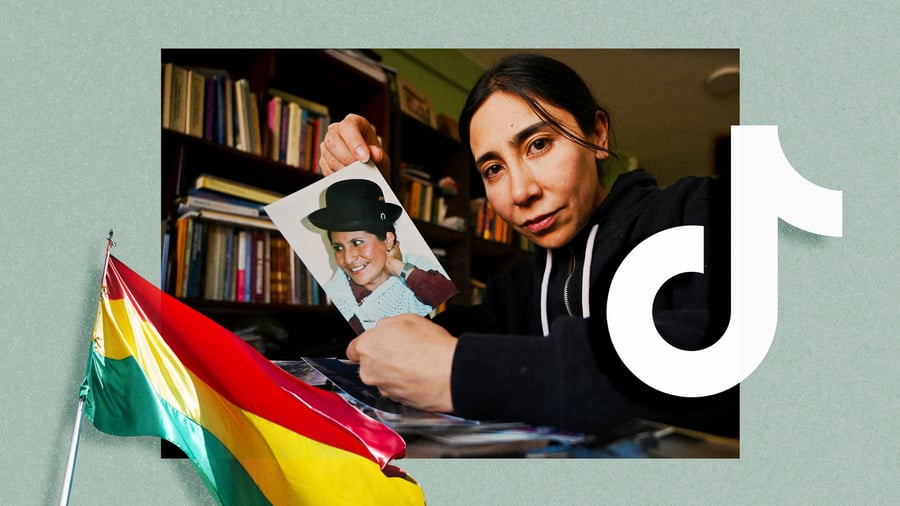
Sayuri Loza, a 42-year-old influencer from Bolivia, has gained prominence as one of the country's most influential political and cultural commentators on the social media platform TikTok. With over 75,000 followers, Loza is known for discussing Bolivia's political and economic issues in a unique style. She combines aspects of Bolivian society that often divide the nation, including indigenous and non-indigenous people.
Loza's Aymara background, combined with her diverse occupations - including being a translator, children's book author, and entrepreneur - make her an identifiable figure for indigenous listeners.
Loza's influence plays a crucial role in addressing Bolivia's political and social crisis. She covers a wide range of topics, from Aymara fashion and politics to fast food and travel tips. By speaking in her native Aymara language and discussing the country's economic situation, she has managed to attract support from both indigenous youth and influential figures such as journalists, politicians, and entrepreneurs.
Her main profession is as a translator for Japanese and Aymara, and she also writes books in her native language.
As a member of a political dynasty, Loza, whose mother Remedios was a nationally recognized radio and television presenter in the 1980s, has a unique perspective on Bolivia's political landscape. Her father, Carlos Palenque, was a prominent media figure and entrepreneur of Spanish descent. Loza's influence stems from her ability to connect with both indigenous and non-indigenous people, as she is both an insider and an outsider.
She often uses her Aymara language to break through the barriers that separate different groups within Bolivian society, making her a valuable source of insight for those seeking to understand the country's complex social dynamics.
Written by urgent.news from Handelsblatt's reporting — not their text. Machine-written — may contain errors; check the original before relying on it.