Why California Is Still a Climate Bellwether
The country's largest state is still trying to address climate change—and the direction couldn't be more different from the signal out of D.C.
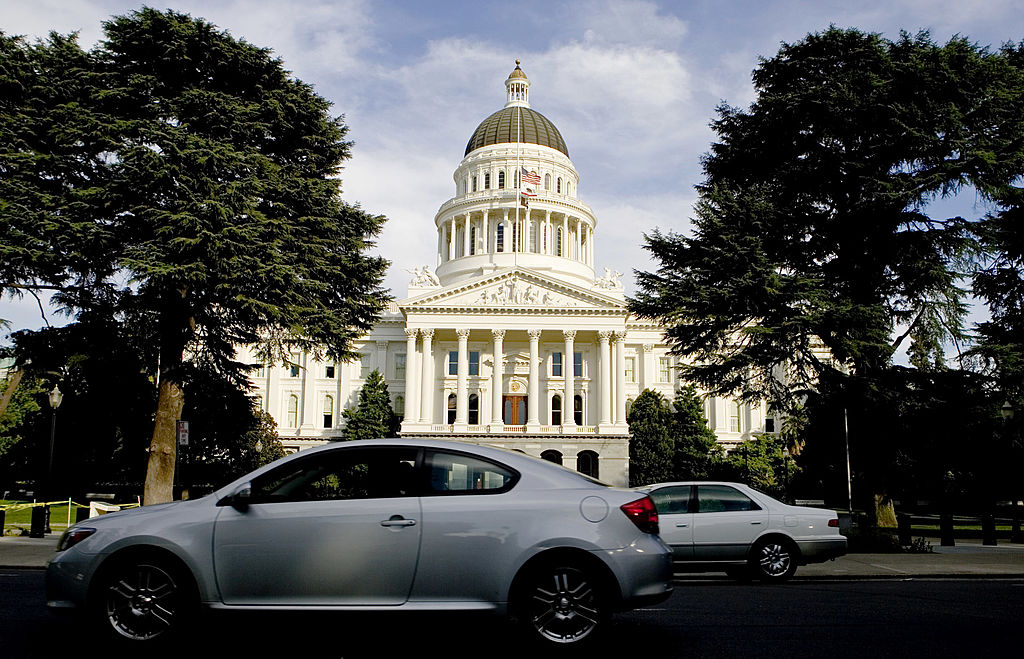
California has long been viewed as a climate bellwether, with its capital, Sacramento, exhibiting political and governmental characteristics similar to Washington D.C. During my recent visit to the state for discussions on the future of energy and climate policy, the decor at my hotel room reflected this sentiment, with political cartoons adorning the walls and political quotes displayed in the elevator. However, the trajectory of climate policy in California and the federal government could not be more different in 2026.
Despite California's limitations in replacing the federal government, its significance is undeniable due to its size and economic prowess. As companies navigate the complex climate policy landscape, they must interpret various signals from governments with opposing stances. Federal policies are shifting away from climate initiatives, while other states and international actors are moving in the opposite direction. California, in particular, demonstrates that climate policy will persist in the United States.
Under the previous administration, California faced a hostile climate policy environment with reduced funding and the revocation of federal waivers that allowed it to enforce its own vehicle emissions standards. This has prompted some blue states to moderate their local efforts, as seen with New York's recent softening of its climate law.
Additionally, Massachusetts delayed rules aimed at making heating more climate-friendly. However, California has remained steadfast in its pursuit of climate-related regulations, recently finalizing a policy to incentivize electric vehicle adoption in response to potential federal tax credit reversals. The state is also prepared to challenge the federal government for restricting offshore wind development.
The ongoing clash between states and the federal government regarding climate policy has real implications for businesses and the broader U.S. economy. The regulatory patchwork creates challenges for companies seeking to anticipate and adapt to changing climate regulations. While some executives may attempt to satisfy both the current administration and the California market, California continues to drive innovation and set a more favorable long-term signal compared to the shifting policies at the federal level.
Written by urgent.news from Time's reporting — not their text. Machine-written — may contain errors; check the original before relying on it.