Vitamin C may fight cancer — but not the way scientists once thought
Linus Pauling was widely mocked for claiming that vitamin C could fight cancer, especially after trials using vitamin C pills showed no benefit. Researchers now know that intravenous vitamin C reaches vastly higher concentrations and can behave more like an experimental cancer drug than an ordinary supplement. Early studies suggest it may damage vulnerable cancer cells, reduce treatment side…
Linus Pauling, a brilliant 20th-century scientist, famously believed that high doses of vitamin C could help treat cancer. While doctors scoffed at his claims, recent research suggests that his instincts were partially correct. In the 1970s, Pauling teamed up with a Scottish doctor and administered large amounts of vitamin C to patients with advanced, incurable cancer, both as an intravenous drip and as tablets.
Some patients who received vitamin C lived longer and felt better than those who did not. However, two large trials conducted by the Mayo Clinic found no benefit in using vitamin C pills. The key difference between the trials and Pauling's approach was the method of administration. Intravenous vitamin C can raise blood levels to extremely high levels, leading to different biological effects compared to oral supplements.
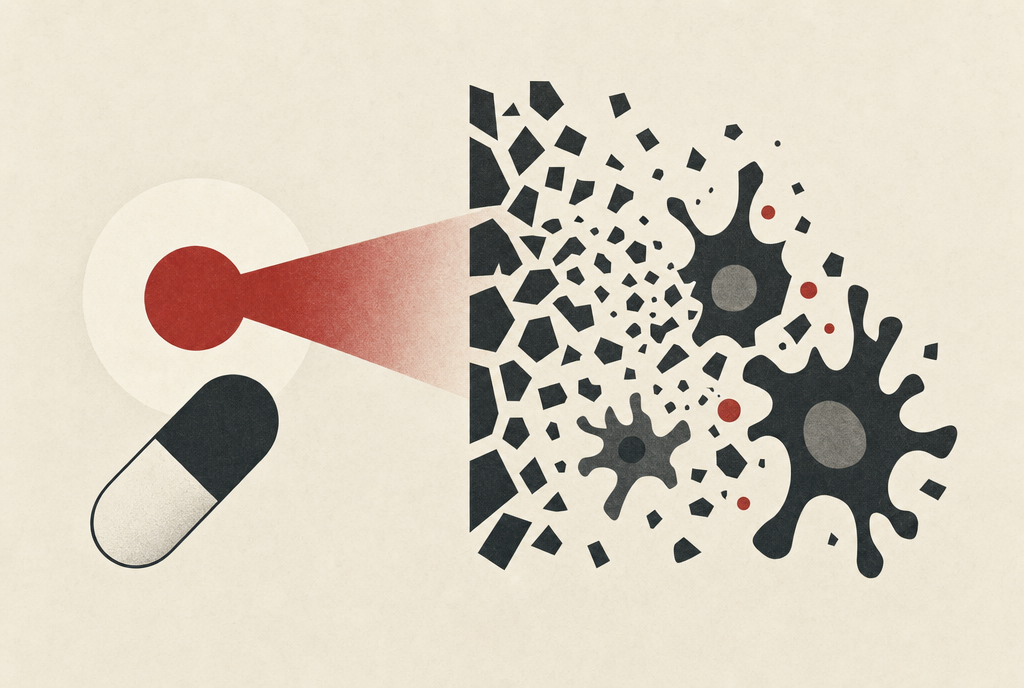
At these extreme levels, vitamin C may act more like a drug than a vitamin, generating hydrogen peroxide that can damage cells, including cancer cells. However, this effect can only be achieved through intravenous administration, as the gut can only absorb a limited amount of vitamin C. Modern research has given vitamin C a second look in cancer treatment, as it behaves differently at high doses compared to low levels.
In laboratory studies, high-dose vitamin C helps generate hydrogen peroxide, which can damage cells, especially cancer cells. Cancer cells are already under stress, making them more vulnerable to this effect. Normal cells, with better defenses, are more likely to survive. While small trials have shown that patients with hard-to-treat cancers may tolerate high-dose intravenous vitamin C without serious side effects, the evidence is still early and mixed.
Some studies suggest that adding vitamin C infusions to chemotherapy may help some patients live longer or manage side effects, but other studies show no clear benefit. The studies are small and varied, making it difficult to draw firm conclusions. Pauling's vitamin C story raises questions about the role of vitamin C in cancer treatment.
While he was wrong to promote vitamin C tablets as a powerful cure, he was not entirely wrong to suspect its potential. Further research is needed to determine the effects of intravenous vitamin C on cancer patients' quality of life and survival rates. Until definitive trials are conducted, vitamin C should be seen as experimental and studied cautiously in clinical settings.
Written by urgent.news from ScienceDaily Health's reporting — not their text. Machine-written — may contain errors; check the original before relying on it.
This story
This is one outlet's version. Read the fullest account.
- Vitamin C may fight cancer — but not the way scientists once thought sciencedaily.com