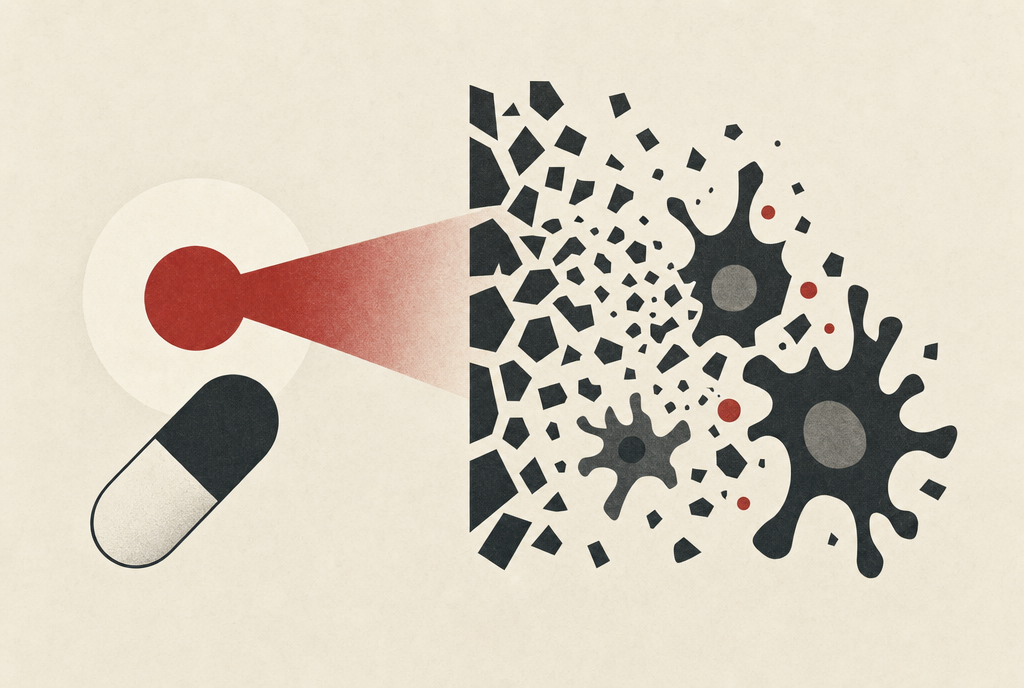
Postbiotic supplement boosts body’s own GLP-1 and weight loss
A small trial suggests a supplement containing dead bacteria could offer a cheaper alternative to weight-loss drugs such as semaglutide, but further evidence is needed
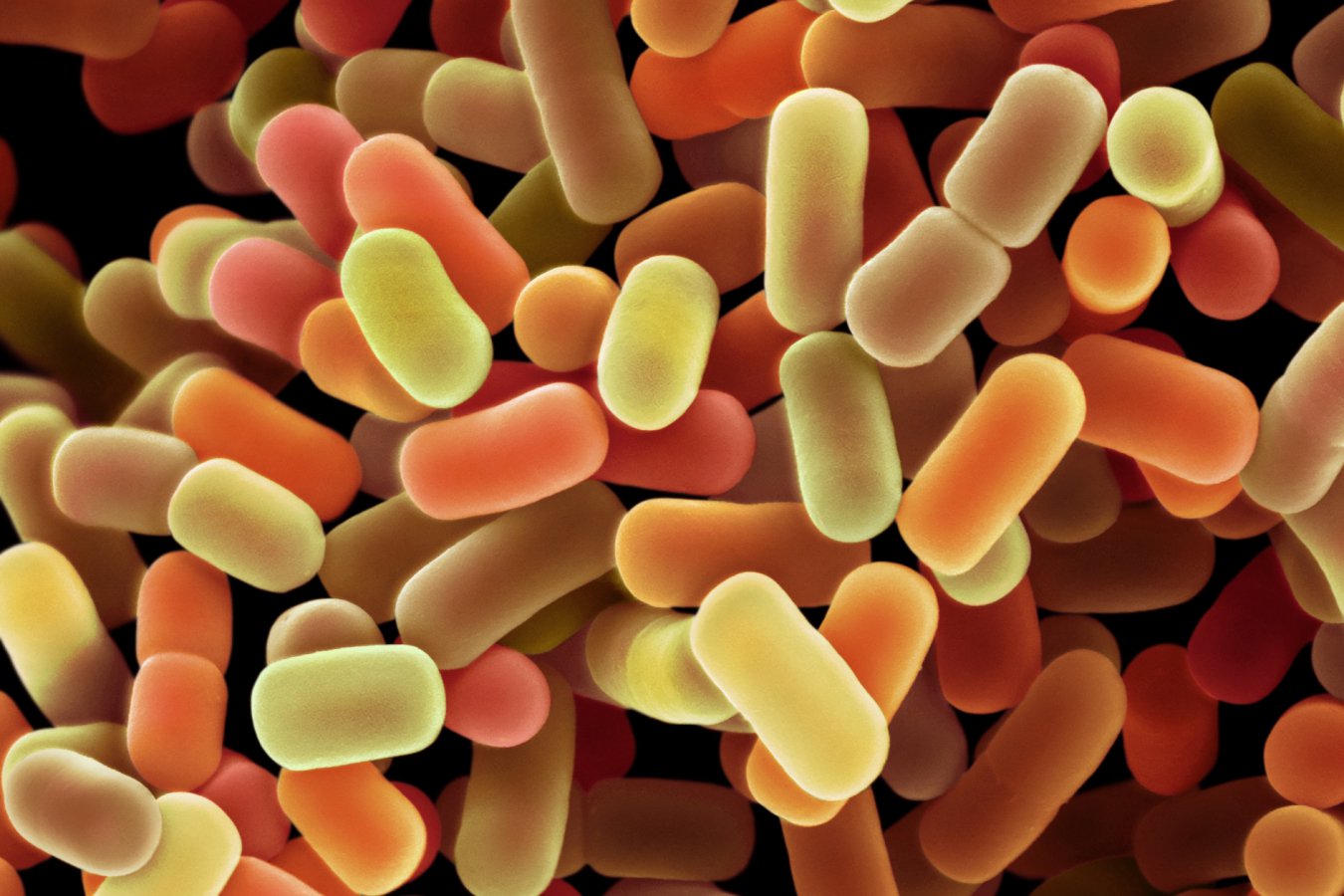
A recent trial has found that a daily supplement of dead bacteria may aid weight loss by increasing levels of the GLP-1 hormone in the body. This could potentially offer a more affordable and less side-effect-ridden alternative to GLP-1 drugs, which are commonly used for weight loss but often lead to discontinuation due to high costs, drug shortages, and side effects like nausea, vomiting, and stomach pain.
GLP-1 drugs mimic a hormone produced by the intestine that suppresses appetite. The interest in supplements claiming to promote weight loss at a lower cost and with fewer side effects has grown, especially those containing bacteria or fiber. However, most of these supplements have not undergone rigorous testing in randomized controlled trials.
In this study, 80 overweight or obese adults in the US were randomly assigned to take either the supplement or a placebo. The supplement, called ResM, contained a dead bacterium called Lactiplantibacillus plantarum and other ingredients such as vitamin D3, vitamin B12, white mulberry leaf, fenugreek seed extracts, and chromium picolinate.
After two months, participants in the supplement group lost an average of 2.6 kilograms (3% of their body weight), while those in the placebo group gained half a kilogram on average. Those in the supplement group also experienced fewer mild side effects compared to the placebo group. The supplement seemed to more than double GLP-1 levels in the blood, which could reduce food intake and enable weight loss.
However, the exact contribution of each supplement component to weight loss is unclear. Self-reported weight measurements and adherence to taking the pills may also be prone to error. Larger studies with more participants and longer durations are needed to verify the results. Even if the supplement proves effective, it would need to be compared to approved GLP-1 drugs, which have undergone more extensive trials.
Currently, the weight loss in the study falls short of the 5% reduction in body weight linked to significant health benefits. People are advised to consult their doctor before trying any supplements for weight loss.
Written by urgent.news from New Scientist's reporting — not their text. Machine-written — may contain errors; check the original before relying on it.