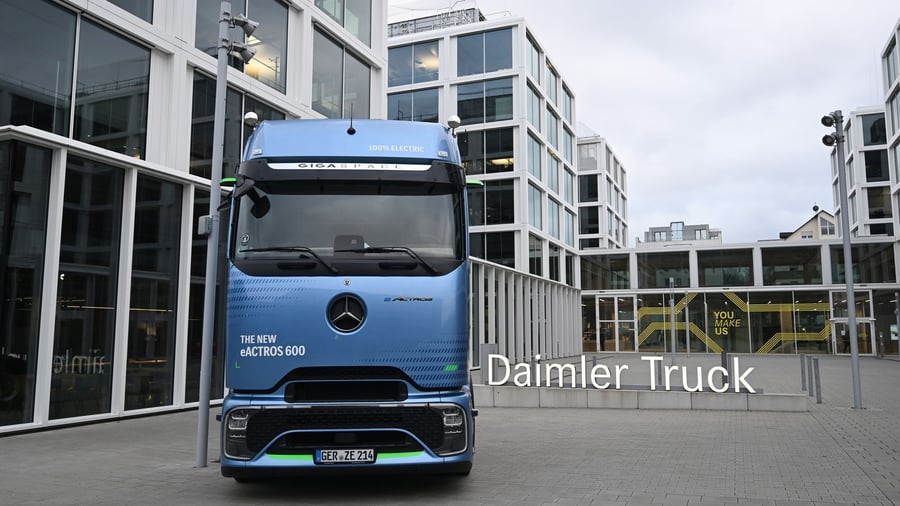
Three new EV highway wayside amenities added in Karnataka last year, total reaches four
The data, shared by Union Road Transport and Highways Minister Nitin Gadkari in response to an unstarred question on Wednesday (August 5), shows that Karnataka had no operational wayside amenity with EV charging facilities before FY 2023-24. The State commissioned its first such facility in FY 2023-24, followed by three more in FY 2024-25.
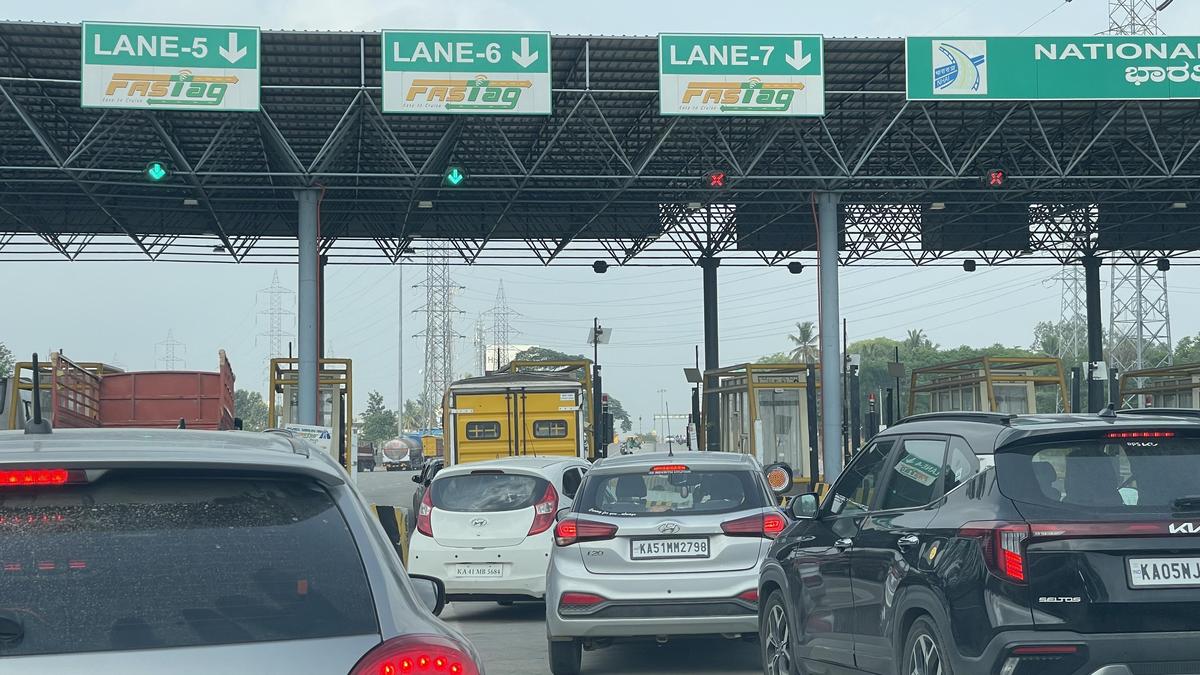
In the financial year 2024-25, Karnataka added three new wayside amenities (WSAs) along National Highways in India, each equipped with EV charging facilities. However, despite this expansion, the state now has only four operational WSAs in total, falling behind several other states in terms of EV highway infrastructure. The Union Road Transport and Highways Minister, Nitin Gadkari, revealed this information in response to a question on August 5, 2025.
Prior to FY 2023-24, Karnataka did not have any operational WSA with EV charging facilities. The first such facility was commissioned in FY 2023-24, followed by three more in FY 2024-25. No additional WSAs became operational in FY 2025-26. While the addition of three facilities in a single financial year marks one of Karnataka's biggest expansions in highway EV infrastructure, the overall count remains low compared to other states.
Rajasthan leads the country with 20 operational WSAs, followed by Haryana with 18, Gujarat and Uttar Pradesh with 10 each, and Madhya Pradesh with six. Karnataka's total of four places it ahead of Andhra Pradesh and Assam, each with three such sites. In May 2025, NHAI announced plans to set up more WSAs along key highway stretches in Karnataka, specifically along National Highway 48 corridors.
Nationally, 84 operational WSAs have been commissioned, with 83 operational up to FY 2025-26 and one additional site becoming operational in FY 2026-27. These WSAs are developed by the National Highways Logistics Management Limited, a wholly-owned company of the National Highways Authority of India. They are planned at intervals of 40 to 60 kilometers along national highways and expressways, depending on suitable land availability and economic viability.
The facilities offer various amenities like restaurants, toilets, drinking water, parking areas, fuel stations, medical assistance, and short-term accommodation. However, no study has been conducted to assess the impact of these facilities on rural entrepreneurship and local economic growth, as no PPP model assessment has been conducted.
Written by urgent.news from The Hindu's reporting — not their text. Machine-written — may contain errors; check the original before relying on it.