There's no simple alternative to the Strait of Hormuz
Those who predict the strait’s waning influence are overestimating the ease of rerouting trade and underestimating Iran’s ability to retain leverage over the waterway, as Tehran and Muscat tussle for control.
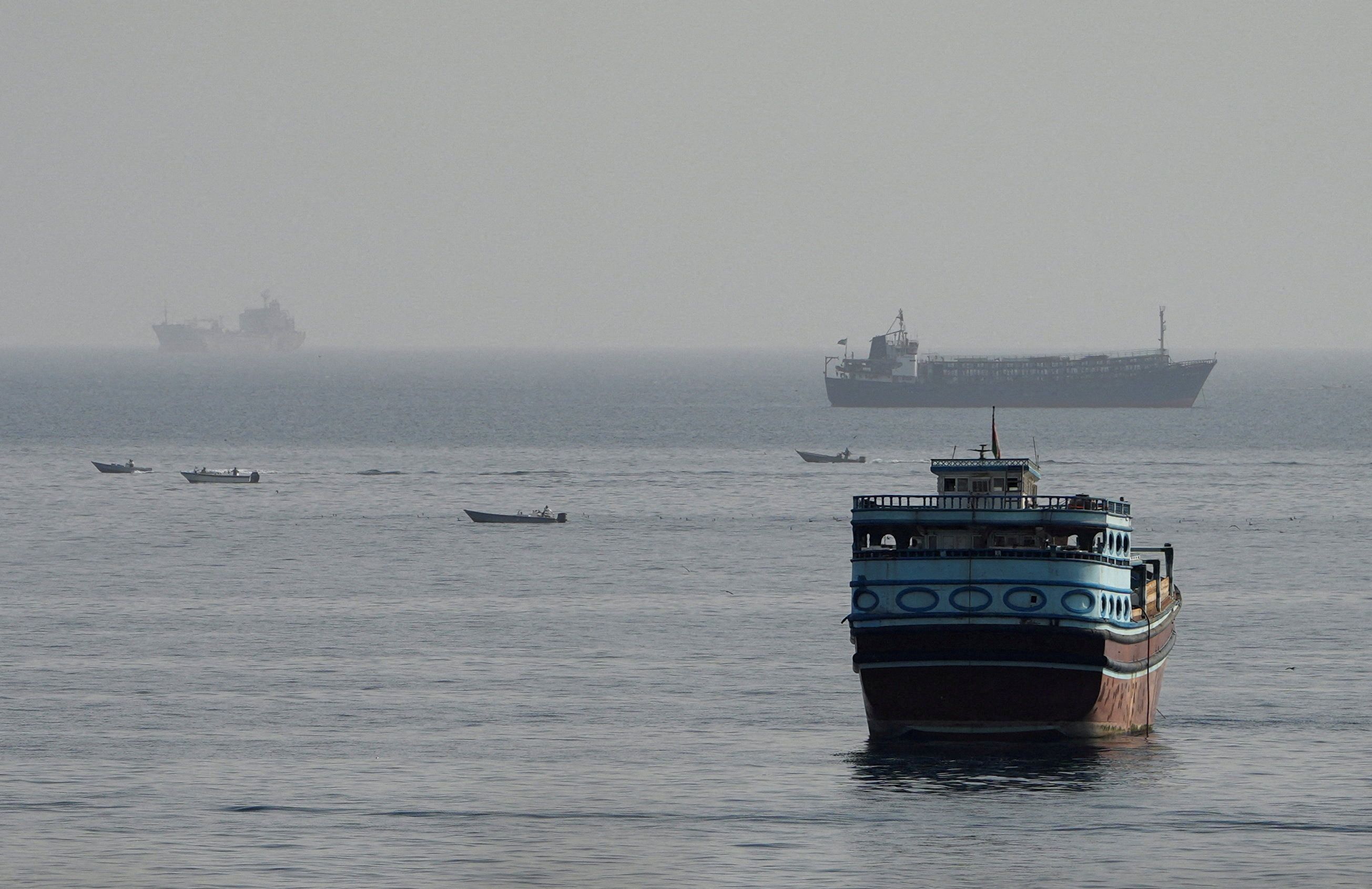
The Strait of Hormuz, once a bustling thoroughfare for global trade, now faces a grim future. Once bustling with ships carrying oil, LNG, foodstuffs, and other vital commodities, the strait now remains deserted due to Iranian mines and a minimal flow of traffic through temporary corridors along the Iranian and Omani coasts. The once jointly proposed route by Iran and Oman, formally adopted by the UN’s maritime body in 1968, now stands empty, signaling a significant shift in global trade dynamics.
Iranian mines, drones strikes, and tolls have transformed the strait from a bustling freeway into a dangerous minefield. Despite the anticipation of a new route emerging from the anticipated agreement between Tehran and Muscat, experts remain skeptical. The Economist, for instance, predicts that Tehran's hold on Hormuz will outlast the US war, suggesting that the strait's influence will persist despite the emergence of alternative trade routes.
These alternative routes, often touted as solutions to bypass the maritime corridor, underestimate the ease of rerouting trade and overestimate Iran's inability to retain strategic leverage. Therefore, the Strait of Hormuz, once a vital trade artery, now stands as a stark reminder of the complexities and challenges in the global trade landscape.
Written by urgent.news from Semafor's reporting — not their text. Machine-written — may contain errors; check the original before relying on it.
This story
This is one outlet's version. Read the fullest account.
- Iraq oil exports plunge on Strait of Hormuz closure gulf-times.com
- Iran tightens grip on Strait of Hormuz semafor.com
- Spinneys reroutes food shipments amid Strait of Hormuz disruption, cuts delays from 38 days to 9 arabianbusiness.com
- Oil prices fall on hopes Strait of Hormuz could reopen bbc.co.uk