The Tanzanian brothers who turned a childhood water problem into a company
There are conversations that stay with you because someone says something painfully obvious. “Africa doesn’t have a water problem,” Constantine Edward tells me. “It has an infrastructure problem.” It’s a simple distinction, but it explains why Constantine and his brother Herman alongside Faith Kuya walked away from aid-funded development, thinking to build SafeSip, a Tanzanian […]
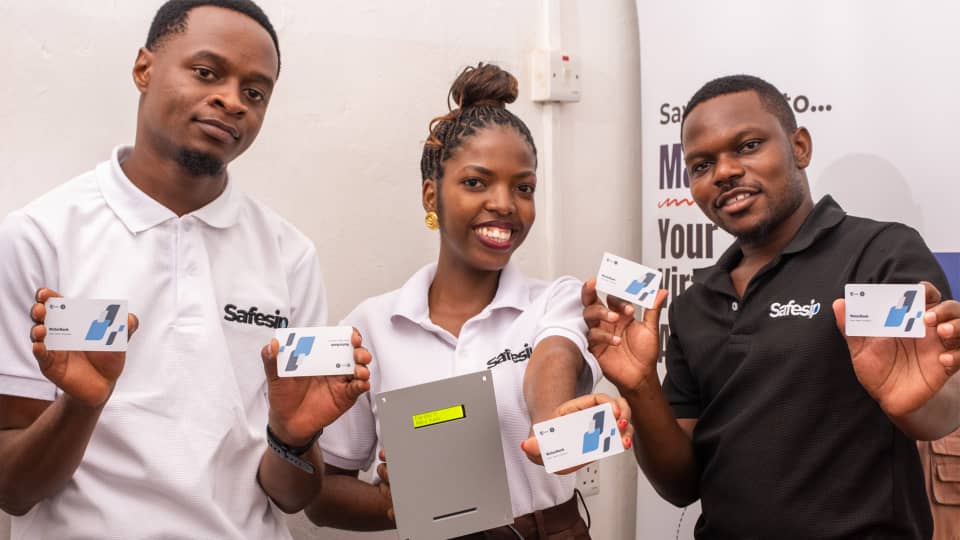
Constantine Edward and his brother Herman embarked on a journey to address a problem they believed was not a scarcity of water, but rather an absence of proper infrastructure. Their story started during a university internship in Tanzania, where they witnessed firsthand the suffering of children due to lack of access to safe drinking water.
It was during this experience that the brothers first conceived the idea for SafeSip, a Tanzanian startup that treats water as a service with a business model aimed at long-term sustainability.
Herman recalls that the earliest memory of water they carry with them is from their childhood, when they would drink from contaminated rivers in rural Tanzania. This experience made a strong impression on Herman, who sees providing safe water not just as a business, but as a deeply cultural necessity. For Constantine, the idea of building a digital water infrastructure came from a broader understanding of Africa's infrastructure challenges.
He believes that Africa does not have a water problem, but rather an infrastructure problem, which is why SafeSip focuses on building a robust and self-sustaining water utility.
The brothers' conviction about their mission was solidified when they decided to leave aid-funded development initiatives and instead pursue a business model for SafeSip. This decision was not made lightly, and it required significant sacrifice from the brothers. They had to give up hobbies and endure disappointment from family expectations.
However, their dedication to solving this fundamental problem led them to apply for a grant focused on water filtration and straws, marking the beginning of their serious business venture.
By 2023, the conversation between Constantine and Herman shifted from discussing a problem to formulating a business plan. This shift was marked by a significant grant award of $10,000, which marked the transition from an abstract idea to a serious business proposition. They began to think about how to expand their impact beyond just a few children, and how to create a solution that could serve entire communities.
For Constantine, the decision to reject the language of "charity" in favor of an "autonomous water utility" built on AI technology was crucial. He explained that traditional water kiosks often rely on government-built infrastructure that breaks down quickly, and they wanted to create a more reliable and self-sustaining system. Their water banks are equipped with solar power, smart meters, and distribution systems that are monitored by AI, which predicts maintenance issues and alerts technicians for timely repairs.
This approach not only ensures the longevity of the water infrastructure, but also provides valuable data to community members through a card-based system.
The brothers' approach to building SafeSip has also involved navigating the expectations of investors, many of whom prefer software solutions over physical infrastructure. Herman notes that while software investments are abundant, the revenue models for mobile apps are often limited, leading to a lack of scalability. In contrast, SafeSip's combination of hardware and software provides a sustainable solution that both addresses immediate needs and ensures long-term viability.
This holistic approach has required the brothers to have many discussions about how to balance the technical aspects of their business with the cultural needs of the communities they serve.
Through their work at SafeSip, Constantine and Herman are not just trying to solve a problem; they are challenging the notion that Africa's oldest challenges need charity. Instead, they are advocating for businesses that can outlast aid and provide sustainable solutions. Their journey from childhood water struggles to building a company underscores their belief that Africa's infrastructure problems can be overcome with innovative business models rather than just charitable donations.
Written by urgent.news from TechCabal's reporting — not their text. Machine-written — may contain errors; check the original before relying on it.