Philippines’ South China Sea education push blurs ‘teaching the truth’ lines
The Philippines is seeking to move its South China Sea row with Beijing into classrooms, a push that analysts say could shape how young Filipinos understand the country’s maritime claims while raising questions over potentially blurred lines between education and state narrative-building. Congressmen in the House of Representatives introduced legislation on Thursday requiring the Department of…
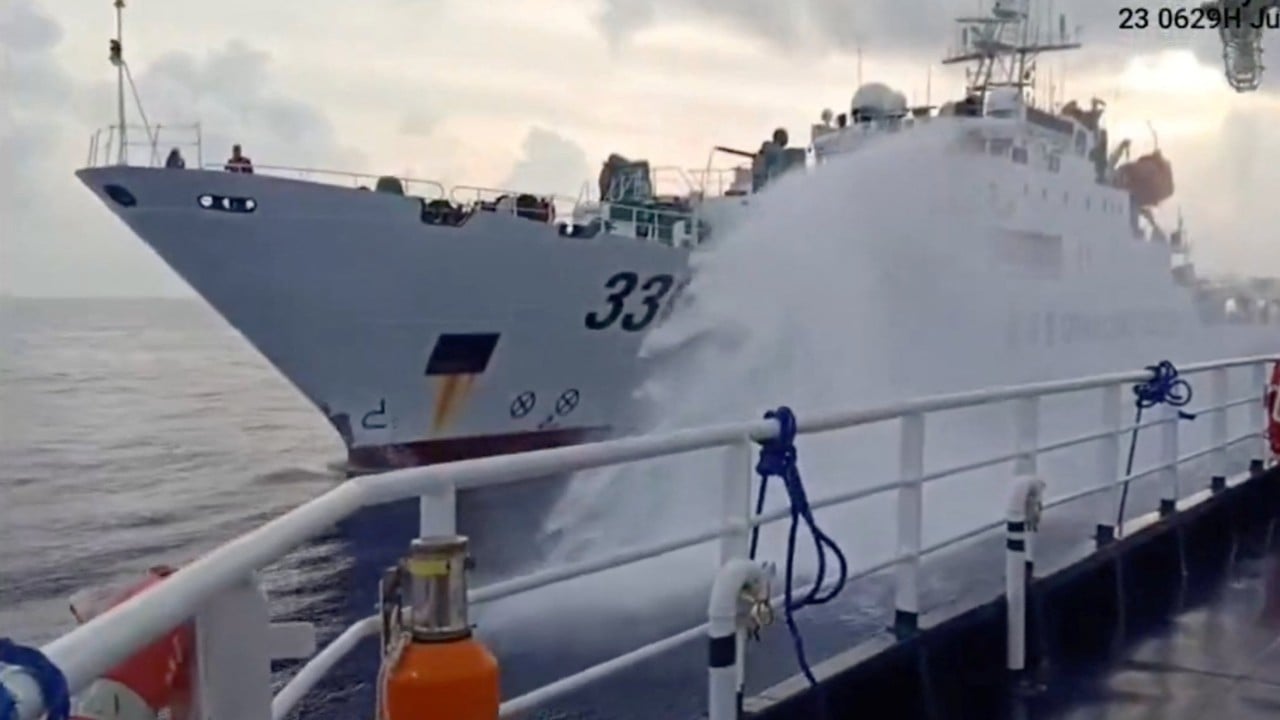
The Philippines is turning its South China Sea dispute with China into a classroom topic, prompting concerns about the boundaries between education and state messaging. Legislators in the House of Representatives recently proposed a bill that would require the Department of Education and the Commission on Higher Education to create standardized teaching materials regarding the contested waterway.
These materials would be aligned with the Philippine constitution, maritime laws, the United Nations Convention on the Law of the Sea, and the 2016 arbitral ruling that invalidated China's claims in the area. Proponents argue the bill aims to counter misinformation and bolster public awareness of Manila's maritime rights, while China maintains its ruling is "illegal, null and void" and insists disputes should be settled through direct talks.
Law professors say the South China Sea conflict has evolved from a maritime confrontation to an information battle, with competing narratives about Beijing, Manila and the region surfacing in the Philippines' domestic politics. The proposed legislation reflects growing worry in Manila over foreign influence permeating beyond the maritime domain into education, politics and the online sphere.
Lawmakers hope the bill will shield Filipino students from "fake news" and propaganda, equipping them with accurate knowledge of sovereign rights in the contested waters.
The bill would not only mandate the development of uniform learning resources but also include teacher training, nationwide public awareness campaigns, and research on maritime security, marine biodiversity, Philippine claims, and coastal community welfare. However, critics warn that education on the subject must be approached carefully to avoid presenting political views as unquestionable facts.
Experts agree that while teaching the legal foundations of maritime claims is not inherently problematic, the curriculum must encourage critical analysis and prevent the presentation of political claims as incontrovertible truths.
Written by urgent.news from South China Morning Post's reporting — not their text. Machine-written — may contain errors; check the original before relying on it.