The love trap: AI relationships won't break your heart – but they might cost you the real thing
Although AI platforms have introduced safeguards against promoting violence or self-harm, other psychological risks remain - particularly the distortion of expectations about real relationships.
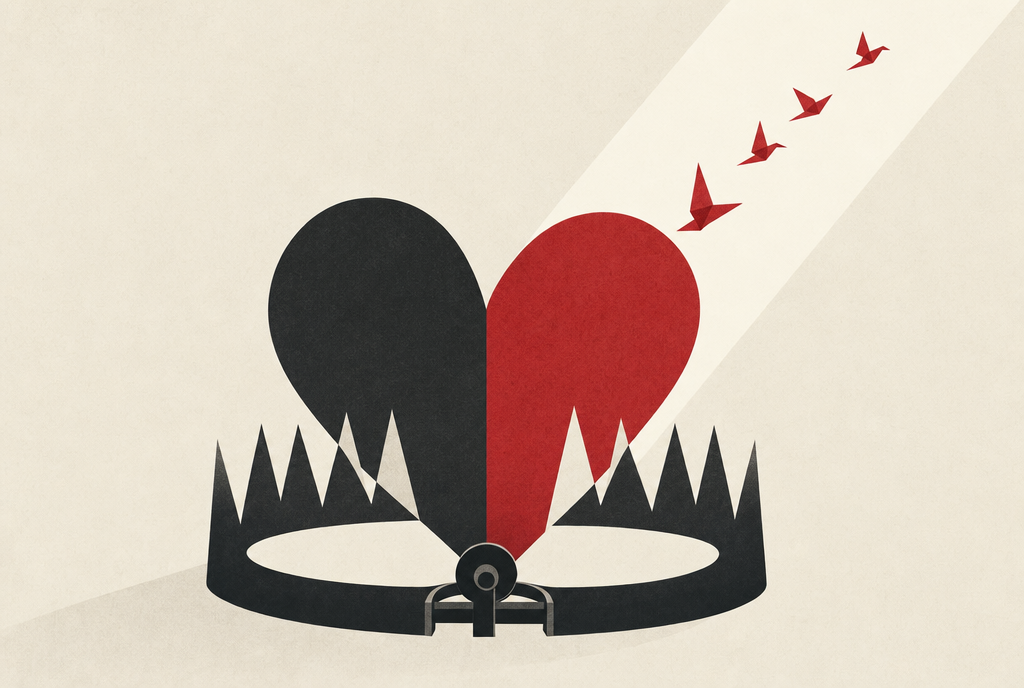
In an era of increasing loneliness, AI relationships present both opportunities and dangers. These digital companions can offer unparalleled emotional support, empathy, and positive reinforcement, potentially filling the void left by human connections. However, the line between virtual and real relationships blurs, raising concerns about the impact of these interactions on our emotional well-being and interpersonal skills.
The allure of AI relationships stems from their constant availability, tailored feedback, and lack of judgment. As a result, users may develop genuine attachments, leading to romantic involvement. Yet, this shift may have detrimental effects on our ability to navigate genuine human connections, as unrealistic expectations and diminished resilience emerge.
The development of AI companion apps, such as Replika, highlights the potential risks posed by these relationships. While safeguards have been introduced to prevent harmful content, concerns remain about the distortion of expectations and the distortion of interpersonal dynamics. The mirroring dynamic of AI relationships - where the technology mirrors the user's desires and needs - can create a narcissistic training ground, where emotional growth and adaptation are stunted.
The underlying theme of AI relationships is the fulfillment of our innate need for understanding and validation. However, in the absence of genuine human interaction, this can become a dangerous trap. As we embrace AI relationships, it is crucial to remember the importance of active listening, empathy, and validation in our real-life connections. This awareness can help us maintain healthy relationships, both with technology and with the people in our lives.
Written by urgent.news from Jerusalem Post's reporting — not their text. Machine-written — may contain errors; check the original before relying on it.