The end of anonymous protest — How facial recognition puts democracy at risk
The use of facial recognition technology to police protesters is growing in Europe and this “erosion of privacy” may shape how citizens express dissent.
In Italy, lawmakers passed a bill to regulate facial recognition technology (FRT) at protests, but the decision reflects Europe's growing use of biometric monitoring. This practice, once viewed with disdain in authoritarian states, is now spreading across democratic Europe. Police forces in cities such as London, Paris, Amsterdam, and Berlin are piloting AI-powered face-scanning technology at public events.
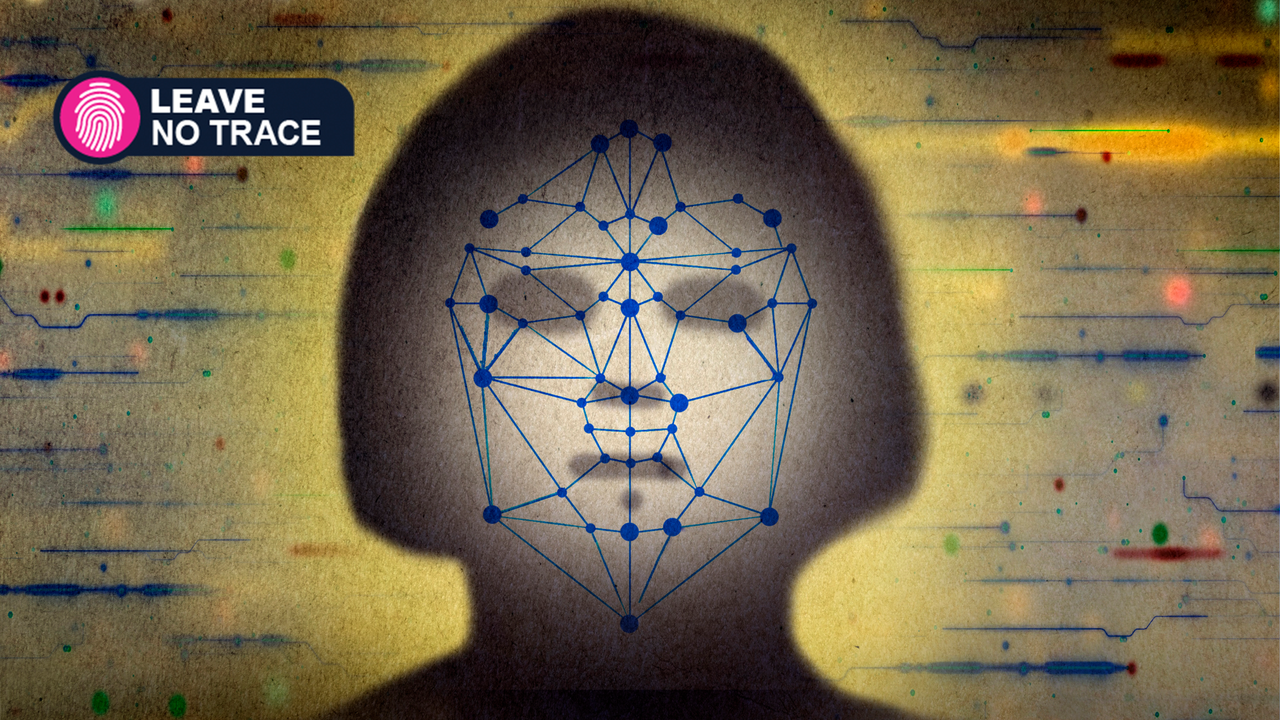
While officials argue the technology is necessary to prevent crime, privacy advocates assert that it creates a chilling effect on peaceful assembly and free expression. The long-term risk is that once facial recognition becomes normalized, its reach may expand further. FRT uses AI to analyze facial geometry against a database, creating a unique digital signature, or "faceprint."
This technology can be integrated into CCTV networks, drones, apps, and mobile police units. Live Facial Recognition (LFR) is the most controversial application, scanning real-time video feeds to match passersby against police watchlists almost instantly. Despite legal challenges, London's Metropolitan Police used LFR during high-profile protests in 2023.
In contrast, retrospective facial recognition (RFR) analyzes recorded footage or photographs after an event. While RFR may seem less intrusive, human rights experts argue there is no significant difference, as the threats to rights and freedoms are not reduced by extra time for review. The European Union's AI Act establishes a legislative framework, but digital rights campaigners view it as only a partial victory, as it contains broad national security exemptions that could jeopardize fundamental rights, including the right to privacy, peaceful assembly, and free expression.
Written by urgent.news from TechRadar's reporting — not their text. Machine-written — may contain errors; check the original before relying on it.