AI Won’t Fix American Education
While AI may transform how students learn, it is unlikely to address underlying inequalities that shape educational achievement, argues Sonia Murrow.
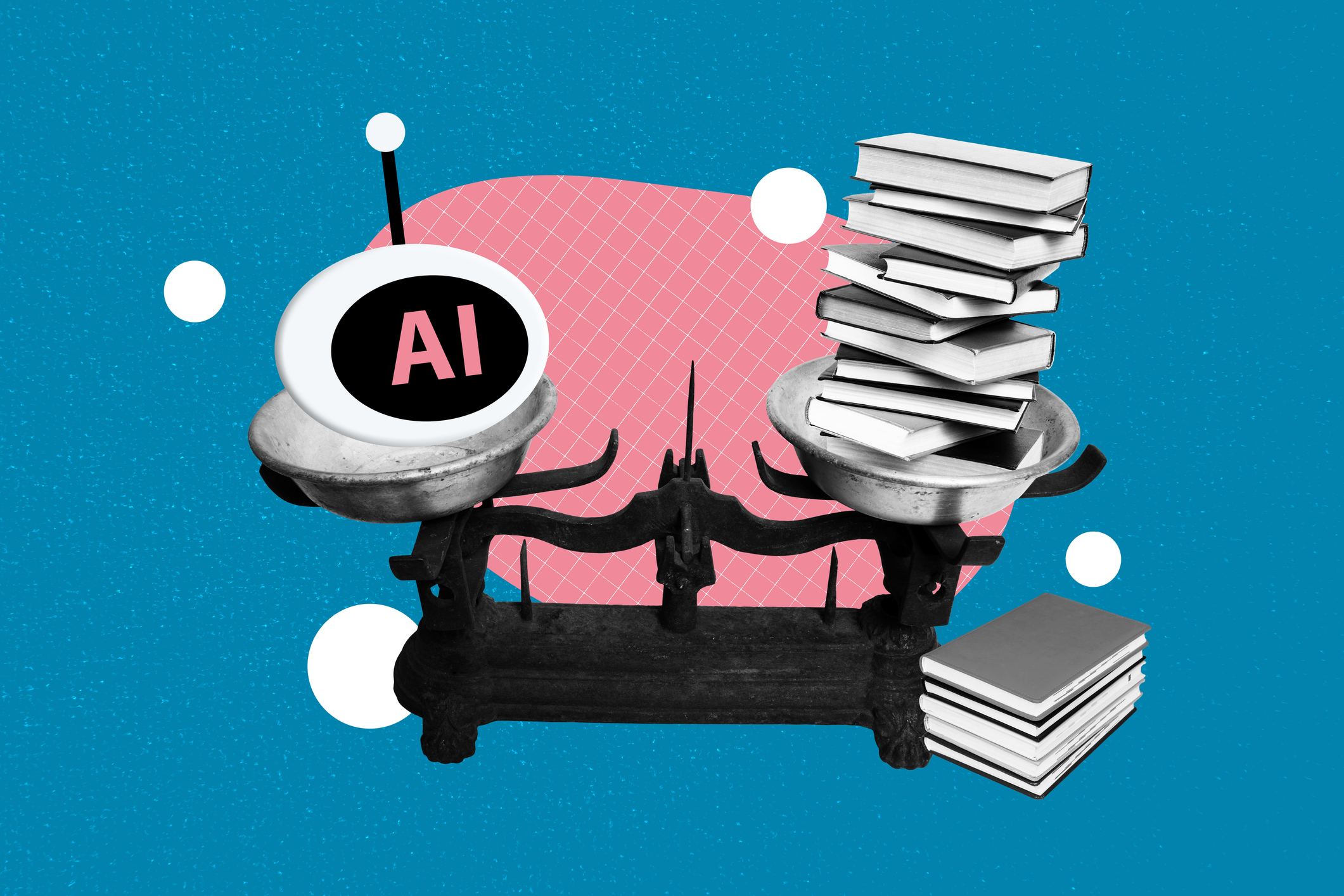
Throughout history, American education has experienced numerous attempts to rectify its shortcomings. From Horace Mann's vision of education as the great equalizer in 1848 to more recent innovations like charter schools, Teach For America, and now artificial intelligence, each reform has been met with great enthusiasm and high hopes. However, despite these changes, underlying inequalities that shape educational achievement in the U.S. have remained largely unchanged.
AI enthusiasts argue that generative AI will democratize education by providing personalized tutoring, writing assistance, research aid, and study partners to every student. While there are undeniable benefits to using AI in the classroom, it is crucial to recognize that these advancements cannot solve entrenched social and economic disparities that hinder educational achievement.
Inequalities such as access to stable housing, nutritious food, quality healthcare, reliable internet, and experienced teachers persist well before a child enters kindergarten and continue to impact students long after the school day ends. Therefore, expecting AI to eradicate these deep-rooted issues is unrealistic.
Schools should certainly embrace new technologies that genuinely enhance learning experiences, but it is essential to understand that technological innovation alone cannot close the gaps in opportunity and inequality. As history shows, educational reforms often aim to improve instruction while neglecting the broader social and economic factors that shape educational inequality.
In order to make genuine progress in narrowing opportunity gaps, society must address the broader economic and social reforms necessary to create a more equitable environment for all students, rather than relying solely on educational innovations. AI may transform how students learn, but it will not transform the unequal society that molds their learning experiences.
Written by urgent.news from Time's reporting — not their text. Machine-written — may contain errors; check the original before relying on it.