Testosterone and fertility: the trade-off men aren't told about
Testosterone is trending in gyms, on social online and in politics. US Defense Secretary Pete Hegseth even wants troops screened for low testosterone. But taking supplements can shut down the body's natural production.
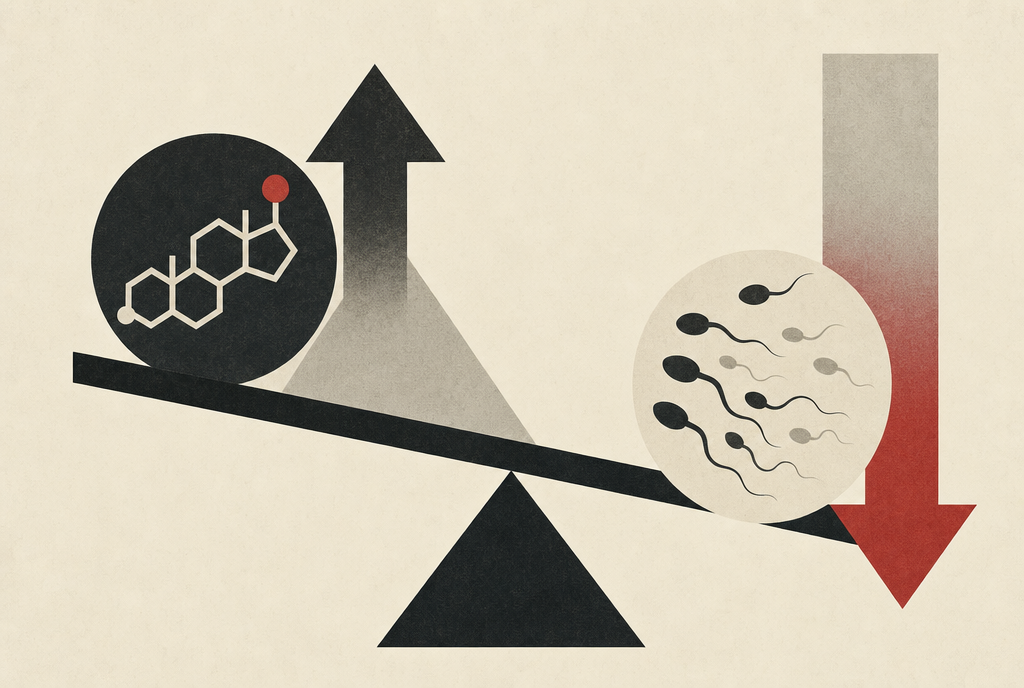
Testosterone plays a pivotal role in sperm production, which is why men who artificially administer the hormone risk disrupting its natural cycle. The body operates like a thermostat, adjusting testosterone levels as needed. When levels become too high, it signals the testes to cease production, ultimately affecting sperm generation.
The allure of enhanced masculinity through testosterone has led to a surge in its use, particularly among men who may not require it. The consequences of unmonitored testosterone intake can be severe, ranging from blood clots and cardiovascular issues to irreversible fertility damage. Doctors establish the clinical threshold for intervention at 300 nanograms per deciliter of blood, determined by multiple blood tests.
However, this number is not a disorder but a natural part of aging. Before considering any treatment, lifestyle factors like sleep, alcohol, smoking, drug use, and stress should be addressed, as they can impact testosterone levels significantly. Testosterone Replacement Therapy, or TRT, is a legitimate medical procedure for those with diagnosed deficiencies, but many men self-prescribe it for performance enhancement from unregulated sources.
While some may experience genuine physiological changes, the majority attribute their perceived benefits to the placebo effect. Doctors strongly advise men to seek proper testing and consider all other factors before resorting to hormonal interventions.
Written by urgent.news from Deutsche Welle Science's reporting — not their text. Machine-written — may contain errors; check the original before relying on it.