Team turns corn into natural replacement for artificial food dyes
Researchers are turning a unique variety of corn into an effective natural alternative to artificial food dyes.
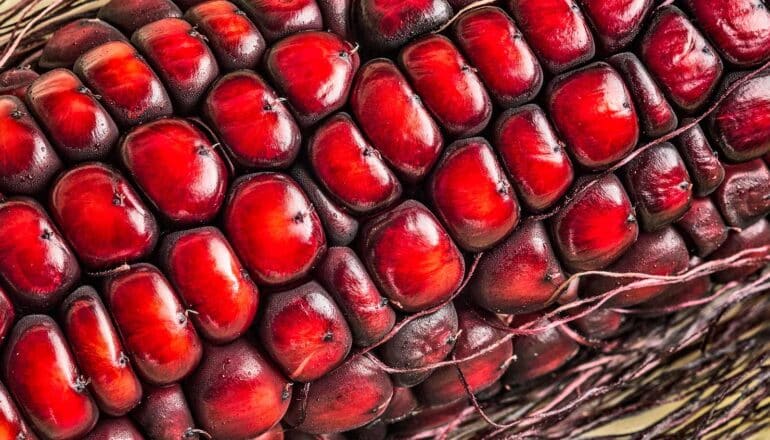
Scientists at the University of Missouri are researching a type of purple corn that could serve as a natural substitute for artificial food dyes. This variety of corn, traditionally cultivated in South America, contains anthocyanins – natural pigments responsible for the blueberries, red cabbage and grape hues. Unlike synthetic dyes, which are petroleum-based and added purely for appearance, anthocyanins are rich in antioxidants known to reduce inflammation and support heart health.
These colors are mainly found in the pericarp – the thin outer layer of the kernel, often discarded during processing. Researcher Pavel Somavat explains that this layer holds the most valuable components of the purple corn. The challenge for food manufacturers lies in replicating the vibrant color of artificial dyes, as natural colors tend to degrade when exposed to heat, light, or oxygen – factors critical in food processing.
In their experiments, Mizzou researchers found that purple corn colorants retained about 75% of their key compounds after one hour of exposure to high temperatures, a common condition in food processing. By encapsulating these pigments in food-grade materials, retention increased to nearly 97%, paving the way for shelf-stable powders that are easier to store and transport.
Their durability was also tested in a beverage system, which is one of the most challenging environments for natural dyes due to acidity, light exposure, and long storage periods. Despite these conditions, purple corn-based colorants showed minimal color loss after seven weeks of refrigerated storage. This durability, coupled with its potential health benefits, suggests that purple corn colorants could become a preferred ingredient in the food industry, offering a path towards cleaner labels without compromising performance.
For Missouri, a leading producer of standard yellow corn, adapting purple corn to local growing conditions could provide farmers with a new revenue stream and diversify their crops. Collaborating with the USDA’s Agricultural Research Service, researchers are developing hybrid varieties that maintain the intense color and robust performance of purple corn, even in the Corn Belt. The study detailing their findings was published in NPJ Science of Food.
Written by urgent.news from Futurity's reporting — not their text. Machine-written — may contain errors; check the original before relying on it.