Syria removes three civil war-era commanders in army shake-up
Syria 's government has removed three army commanders from their posts, in a shake-up to reduce the power of factions that were rivals during the civil war. The three prominent commanders from the former rebel Syrian National Army have been reassigned to administrative positions outside their former areas of command. The move is part of efforts by Syria’s authorities to consolidate the armed…
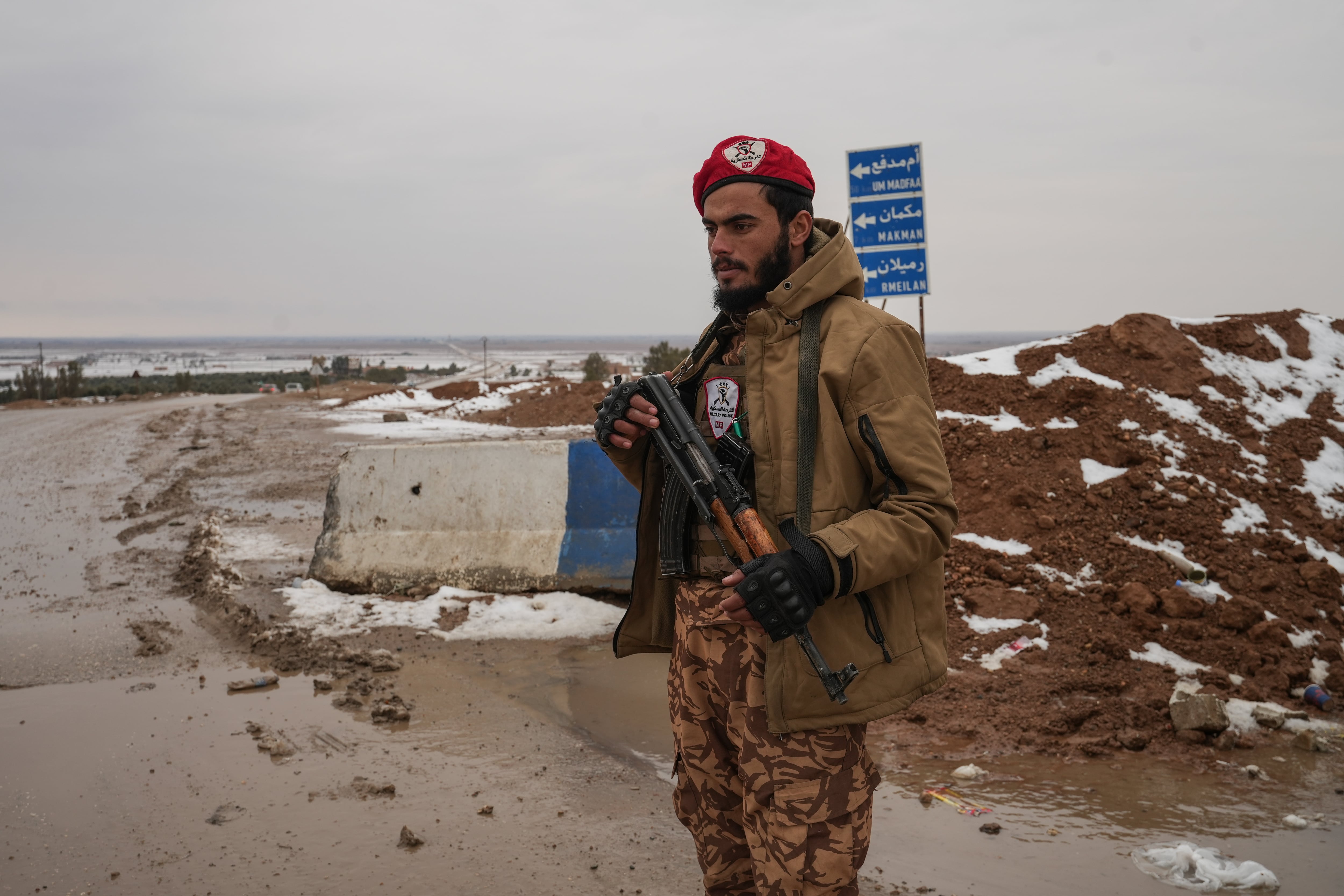
Syria’s government has removed three prominent army commanders in a move to streamline the armed forces and reduce the influence of factions that clashed during the civil war. The three commanders, all former members of the Syrian National Army (SNA), have been reassigned to administrative roles outside their previous command areas.
Mohammed Al Jassem, known as Abu Amsha, was born in Hama and joined the revolution early. He formed the Fireline Brigade, which later became part of the SNA. Abu Amsha fought in Hama, Aleppo, and Idlib, and later established a power base in Afrin. He was sanctioned by the US in 2023 over human rights abuses. His division, the 62nd Division, has been reorganized into an administrative position.
Ahmed Al Hayes, known as Abu Hatem Shaqra, hails from Deir Ezzor. He led the Ahrar Al Sharqiya faction and participated in the battle for Afrin alongside Abu Amsha. Shaqra was also sanctioned by the US in 2021 for serious human rights abuses. His 86th Division is now in an administrative role.
Sayf Boulad Abu Bakr, from Bizaah in northern Aleppo, defected from the Assad regime at the start of the uprising. He fought with the secular opposition, joined ISIS, and later became the commander of the Turkish-backed Hazzem Division. Abu Bakr was sanctioned by the US in 2023 for human rights abuses. His 76th Division has been placed in an administrative position.
This shake-up is part of Syria’s authorities’ efforts to consolidate the armed forces under a centralized chain of command. The Syrian Army is being reorganized into five corps, reducing the influence of individual faction commanders and placing units under a more standardized command structure.
Written by urgent.news from The National UAE's reporting — not their text. Machine-written — may contain errors; check the original before relying on it.