Seeking to Prosecute Fauci Is Disgraceful
(MedPage Today) -- I have been friends with Tony Fauci, MD, for 40 years, working alongside him, from AIDS and Ebola through to the COVID-19 pandemic and mpox. He deserves our gratitude, not politics. But that's not what I want to write about...
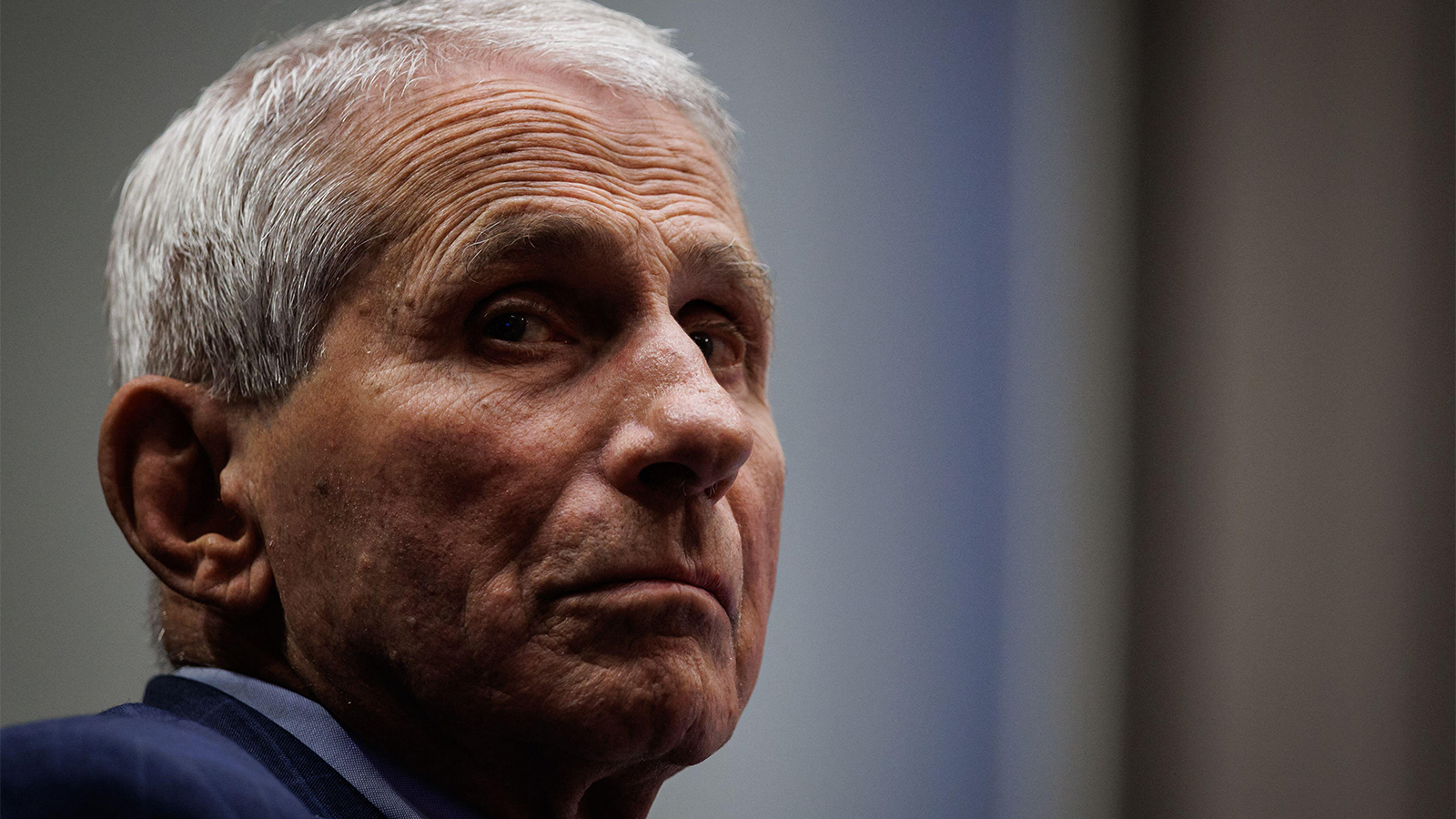
Over the course of four decades, prominent immunologist Dr. Anthony Fauci has collaborated with the renowned Dr. Tony Fauci, MD, tackling significant global health crises from AIDS and Ebola to the COVID-19 pandemic and mpox. Rather than engaging in a political debate, the focus should be on recognizing and appreciating Dr. Fauci's invaluable contributions to public health.
Recently, on August 6, the Senate Homeland Security and Governmental Affairs Committee conducted a contentious hearing against Dr. Fauci, voting to hold him in contempt of Congress and refer the matter to the Justice Department for possible criminal prosecution. However, this decision is legally questionable, and the accusations are unfounded.
The committee's actions stem from a hearing on July 29, which centered on Dr. Fauci's management of the COVID-19 pandemic and the origins of the virus. During the session, Dr. Fauci invoked his Fifth Amendment right against self-incrimination over 100 times. Senate Majority Leader Rand Paul (R-Ky.), the committee chair, criticized Dr. Fauci for avoiding his questions, pointing to a presidential pardon from President Joe Biden that granted immunity from federal prosecution for his actions between 2014 and January 19, 2025.
Yet, Dr. Fauci had valid concerns. His pardon period concluded 18 months prior to the Senate hearing, and subsequent charges could have been levied during this timeframe. Furthermore, Senator Paul has publicly vowed to charge him with criminal offenses. The July hearing seemed to be a calculated attempt to trap Dr. Fauci in a perjury trap, with the Justice Department ready to pursue politically motivated charges should any testimony contradict public statements or personal diary entries.
Moreover, it is important to note that presidential pardons do not extend to state criminal charges. However, the Fifth Amendment applies to both federal and state investigations. Consequently, Dr. Fauci refrained from testifying in anticipation of potential state probes. Upon his refusal to participate, state attorneys general in Alabama, Louisiana, and Florida announced their intent to initiate investigations.
Given the procedural complexities and the lack of a full Senate vote, this move appears to be a violation of the law. If the Department of Justice (DOJ) issues an indictment, it could lead to the dismissal of the case due to this procedural error.
Oversight hearings are intended to evaluate policies, improve agency operations, and prepare for future emergencies. However, transforming these hearings into prosecutorial inquisitions shifts the objective from learning lessons to engaging in political vendettas. Senator Paul's hearing was purely aimed at settling political scores, with minimal regard for a thorough examination of the COVID-19 pandemic, including origins, funding for pathogen research, and the effectiveness of public health measures.
If Congress genuinely sought a comprehensive and honest discussion about the COVID-19 response, it had a legal alternative. Federal law allows Congress to grant statutory immunity, protecting witnesses from criminal prosecution (excluding perjury or false statements) while dissolving their right to invoke the Fifth Amendment privilege against self-incrimination. The committee's refusal to grant Dr. Fauci immunity suggests that their primary goal was retaliation rather than a genuine desire for legislative oversight.
This shift from legislative oversight to criminal prosecution poses broader risks to science and public health. The committee's actions serve as a clear warning to prominent scientists, physicians, and public health professionals in federal, state, and local capacities. Consequently, these individuals may hesitate to serve in public capacities during public health emergencies due to the threat of personal legal jeopardy and public condemnation.
Such an environment could discourage highly qualified professionals from entering the public sector, ultimately hindering the provision of essential guidance during crises.
Additionally, targeting Dr. Fauci will undermine public trust in scientific institutions. These institutions are already facing a decline in public confidence, exacerbated by constant criticism from figures like Health and Human Services Secretary Robert F. Kennedy Jr. By framing public health decisions as criminal matters, the Senate hearing further degrades public faith in medical recommendations, vaccines, and scientific consensus.
This approach also contributes to the dissemination of false and misleading health information, further damaging the credibility of the scientific community.
Written by urgent.news from MedPage Today's reporting — not their text. Machine-written — may contain errors; check the original before relying on it.