Amitabh Bachchan worked from 7 am to 7 am: What 24 hours without sleep can do to your brain and body
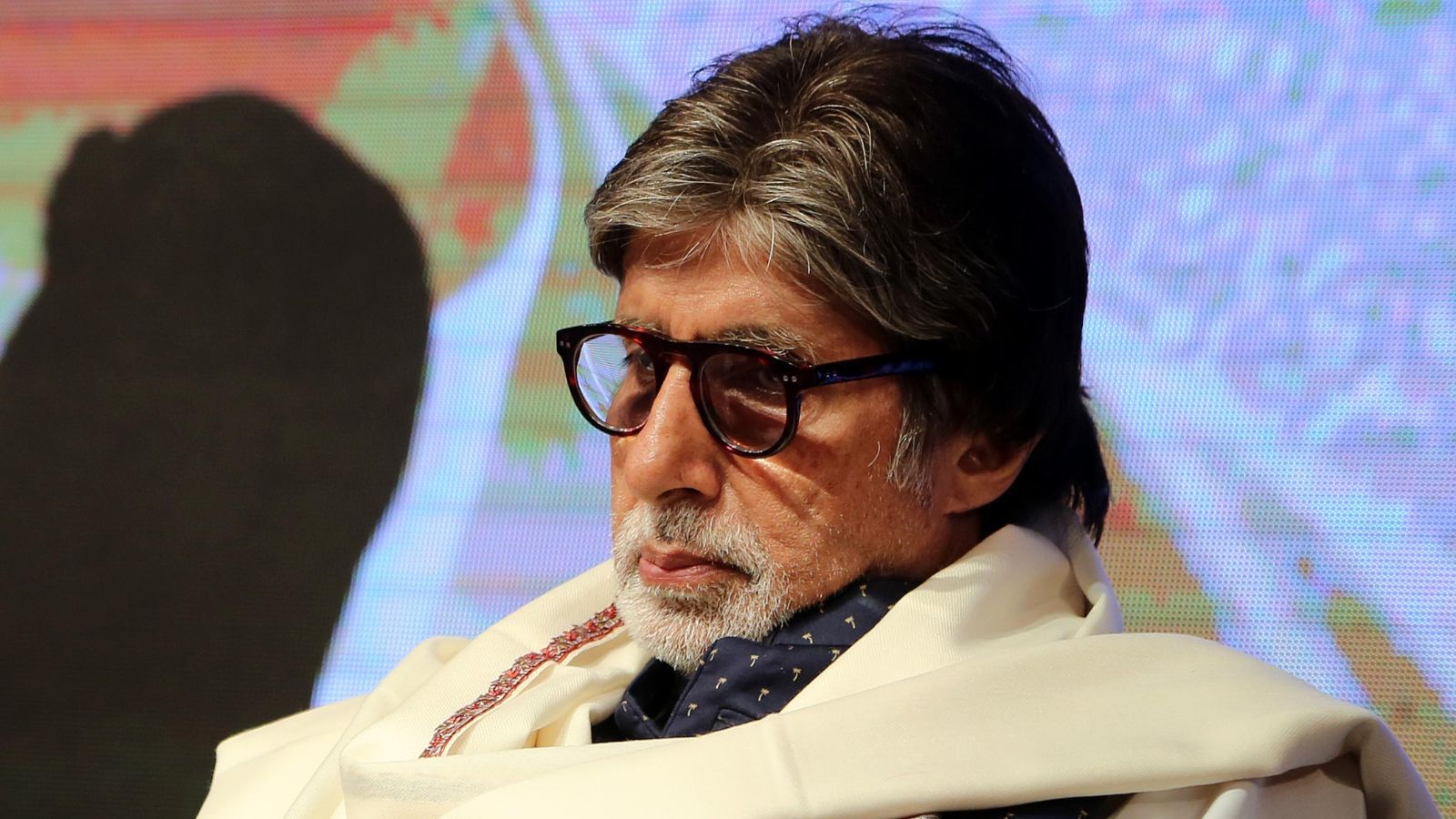
Extended work periods without adequate rest can severely impact an individual's cognitive abilities, emotional well-being, and overall health. In a recent blog post, renowned actor Amitabh Bachchan disclosed that he worked continuously from 7 am one day until 7 am the following day, showcasing the extreme demands of his schedule.
The 83-year-old, who has hosted the popular quiz show "Kaun Banega Crorepati" since its inception in 2000, explained that the urgency stemmed from the announced premiere date of the new season. Failure to meet this deadline would result in his potential replacement.
After completing the grueling shift, Bachchan expressed his anticipation for rest and a fresh start. However, experts warn that such prolonged periods of sleep deprivation can severely impair an individual's mental and physical functioning. Gurleen Baruah, an organizational psychologist, notes that staying awake for an entire day can impair attention, decision-making, and reaction time to a level comparable to being legally intoxicated in some countries. The brain simply fails to operate optimally without adequate rest.
Under extreme pressure, individuals may become so engrossed in their work that they lose track of time, often ignoring the body's signals for rest. While occasional intense efforts may be unavoidable, they should always be followed by sufficient recovery periods. Otherwise, performance, health, and judgment will gradually deteriorate.
When work becomes synonymous with self-worth, individuals risk developing a fragile sense of self that hinges on external validation. In such cases, success can inflate self-esteem, while criticism or setbacks may lead to a loss of self-worth.
Recovery from extreme work hours begins with basic self-care - getting sufficient sleep, eating nutritious food, staying hydrated, and engaging in genuine restorative activities. Passive activities like scrolling through social media do not promote recovery and may even stimulate the mind instead of allowing it to rest. Engaging in activities such as outdoor walks, exercise, mindfulness, journaling, or simply distancing oneself from screens can significantly aid in the recovery process.
However, when occasional deadline-driven overwork becomes a recurring pattern, warning signs such as poor sleep, frequent headaches, changes in weight or blood pressure, constant irritability or anxiety, difficulty concentrating, emotional exhaustion, withdrawal from loved ones, and increased cynicism may indicate that the body and mind require more than just a weekend off.
Written by urgent.news from The Indian Express - Lifestyle's reporting — not their text. Machine-written — may contain errors; check the original before relying on it.