Scientists Used AI to Create 16 New Viruses
The use of AI systems to create viruses opens up new possibilities for combating bacterial resistance. It also raises concerns about the pace at which technology is outstripping regulation.
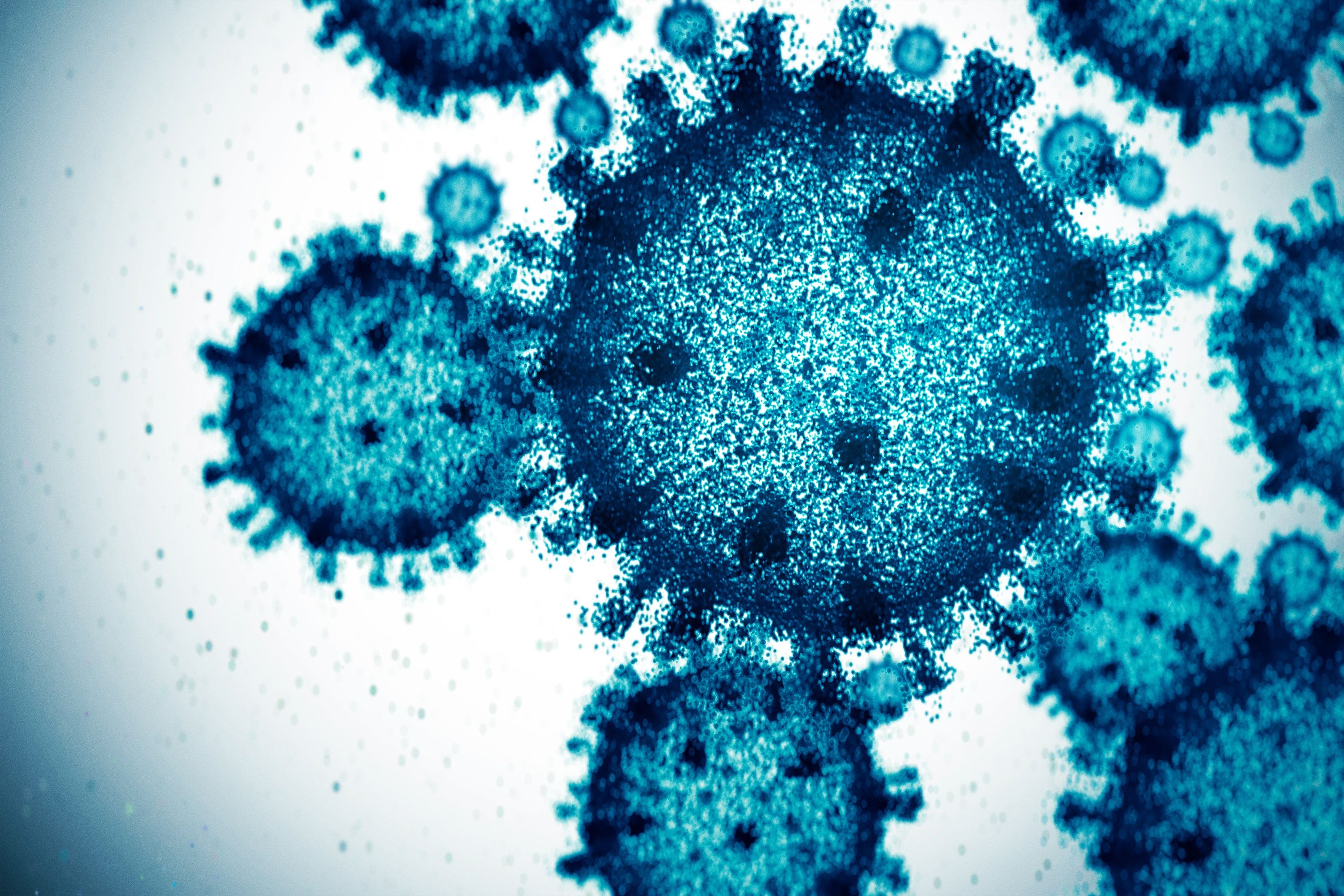
Scientists at Stanford University and the Arc Institute have achieved a groundbreaking feat by employing artificial intelligence to design and generate 16 entirely new viruses. These synthetic viruses, called bacteriophages, have the unique ability to infect bacteria and present promising applications in biotechnology, particularly in the creation of novel antibiotics and antiviral treatments.
By harnessing AI models, such as Evo 1 and Evo 2, trained on vast genomic databases, the researchers were able to generate thousands of unique viral genomes that retained the essential functional architecture for infecting Escherichia coli bacteria. After rigorous evaluation and selection, 16 of these synthetic viruses demonstrated the capacity to replicate and infect bacterial cells, showcasing previously unseen genetic sequences and regulatory elements.
The research, published in the journal Science, also revealed that AI-generated bacteriophages exhibited enhanced abilities to target and overcome bacterial resistance, marking a potential breakthrough in addressing the global challenge of antibiotic-resistant infections. However, the development of this AI-driven technology also raises significant concerns regarding its potential misuse, such as the creation of harmful pathogens or biological weapons.
Researchers emphasize the urgent need for robust regulatory frameworks to prevent the malicious exploitation of artificial intelligence in the realm of molecular biomedicine.
Written by urgent.news from Wired's reporting — not their text. Machine-written — may contain errors; check the original before relying on it.
This story
This is one outlet's version. Read the fullest account.