Rohstoffe: Der Irankrieg drosselt die Ölnachfrage – mit langfristigen Folgen für den Energiemarkt
Die Engpässe am Ölmarkt haben zu einem Nachfragerückgang geführt. Das weckt Erinnerungen an den Ölpreisschock 1979, der die Nachfrage zehn Jahre lang drückte. Wiederholt sich die Geschichte?
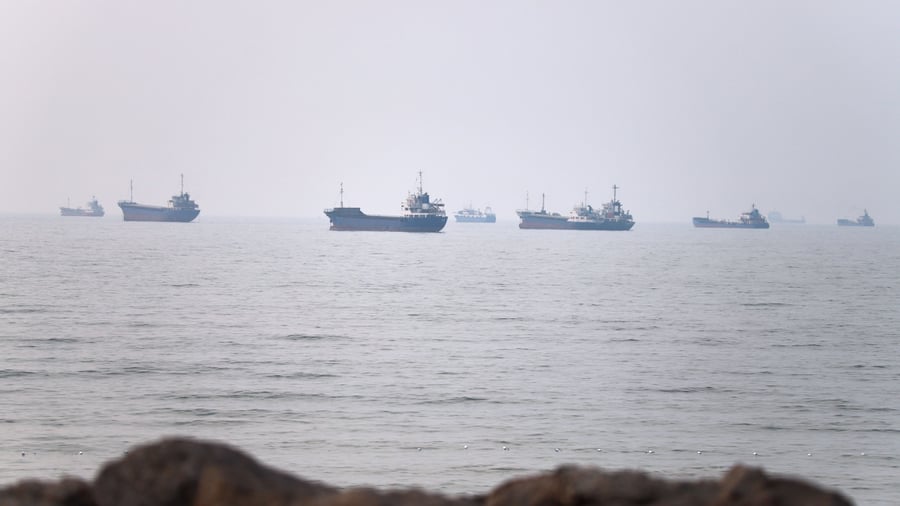
The Iran war has significantly reduced oil demand, with long-term implications for the energy market. The blockade of the Hormuz Strait has led to a massive supply shock, with an average of ten million barrels of oil production lost per day. Prices surged, and consumers responded by reducing demand. Some emerging economies implemented energy-saving measures, similar to those seen during the 1979 Iranian oil crisis.
The crisis highlights the importance of energy security, but experts do not expect a similar deep cut in global oil demand this time. The market returned to pre-crisis levels within a decade in the 1970s, and the recent reduction in demand has already started to recover. Current levels are 5.3 million barrels per day lower than a year ago, but the IEA expects this decline to decrease to 1.7 million barrels per day in the third quarter.
Short-term, oil consumption is expected to rebound, but Wisdomtree analyst Mobeen Tahir sees a shift towards renewable energy and nuclear power in the long term. Many observers are drawing parallels between the current situation and the 1979 crisis, with the conflict showing the critical role of energy security. However, experts like UBS oil analyst Giovanni Staunovo caution against premature predictions, as consumer behavior changes have not been observed yet.
Written by urgent.news from Handelsblatt's reporting — not their text. Machine-written — may contain errors; check the original before relying on it.