Race for UN top job enters final stage: choice may ‘make or break’ organisation
It is financially strapped, structurally flawed, infamously bureaucratic, reputationally damaged and riven with infighting. So why would anyone want to take on the role of the next secretary general of the United Nations? “I really think there should be some sort of psychiatric test for wanting this position,” said Richard Gowan, global issues and institutions director at the International Crisis…
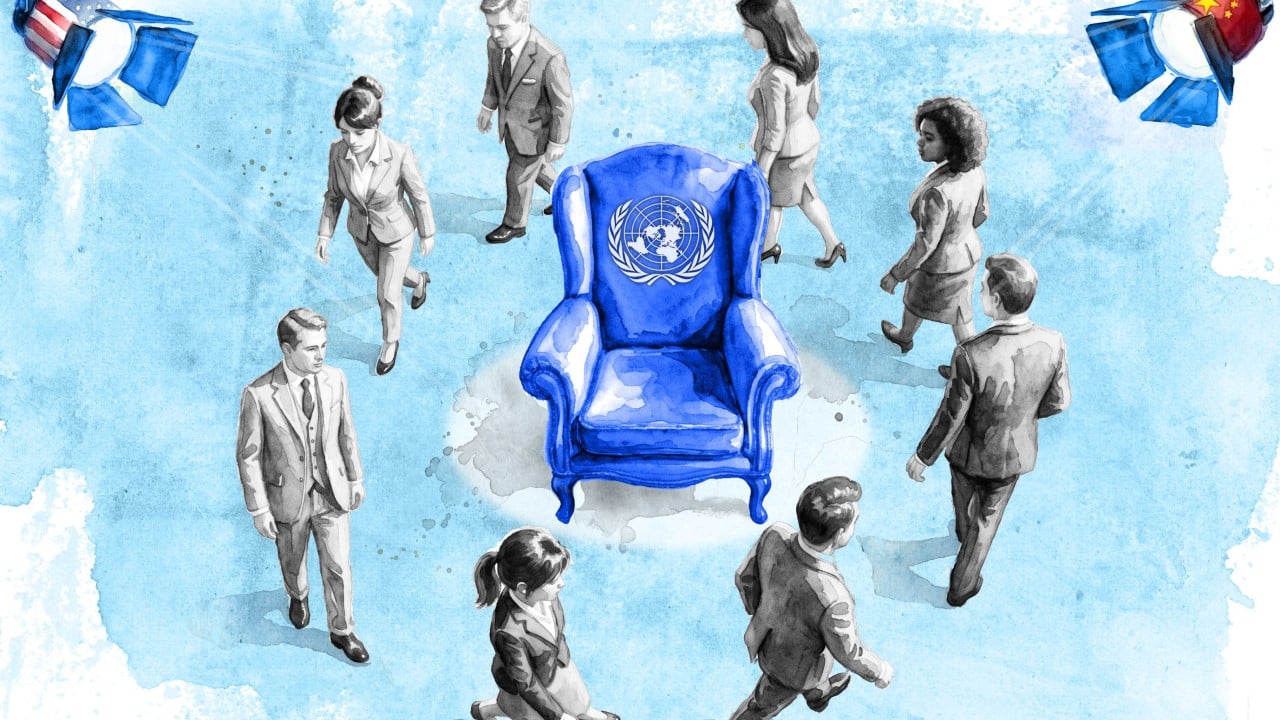
The race to become the next United Nations Secretary General is entering its final stages, with the stakes being described as "exceptionally high" and the possibility that the chosen individual may "make or break" the organization. The UN, despite its noble ideals, is plagued by issues such as financial struggles, structural flaws, bureaucracy, reputation damage, and internal infighting.
The process of selecting the next secretary general is governed by an archaic system, with the final decision ultimately made by the five permanent members of the UN Security Council (P5). These P5 nations - Beijing, Washington, Moscow, Paris, and London - wield significant power in the selection process, which includes several months of secret ballots on colored paper.
Once a consensus is reached among the P5, the other member states generally follow suit, and the new secretary general assumes office within five years. The choice of the next secretary general is crucial, as it comes at a time when the UN faces numerous challenges. The Iran war, the rise of artificial intelligence, humanitarian crises, and dwindling aid funding have all contributed to a faltering UN peacekeeping effort.
The organization's ability to guide the global community through necessary restructuring is at risk, and this demands a strong, visionary leader. However, reaching a consensus among the P5 nations with their red lines, parochial interests, and rivalries suggests that a minimally objectionable candidate will likely be selected. Analysts argue that a non-threatening winner may find their strength once in office, similar to past heads Dag Hammarskjold and U Thant.
The current Secretary General, Antonio Guterres, has taken a cautious approach, focusing primarily on humanitarian relief. While he has achieved some successes, such as coordinating the Russia-Ukraine Black Sea grain initiative, critics argue that he failed to address cost-cutting measures, including expensive private school stipends and business-class travel.
The selection process is further complicated by the number of candidates and the expectations for a candidate who is a woman from the Latin America and the Caribbean region. China's stance signals a desire for support for more Chinese representation in top UN roles, integration of the Belt and Road Initiative, and global security, development, and civilisation initiatives into the UN architecture.
The US, on the other hand, seeks a compliant candidate who can help improve the UN's conflict resolution record and champion its financial reform agenda. The administration's significant financial arrears have further fueled its desire for a compliant secretary general. Despite the challenges, many countries have acknowledged the need for structural transformation within the UN, as no single candidate can ignore this fundamental necessity.
Written by urgent.news from Reuters Business via SCMP's reporting — not their text. Machine-written — may contain errors; check the original before relying on it.
This story
This is one outlet's version. Read the fullest account.