Race for UN top job enters final stage: choice may ‘make or break’ organisation
It is financially strapped, structurally flawed, infamously bureaucratic, reputationally damaged and riven with infighting. So why would anyone want to take on the role of the next secretary general of the United Nations? “I really think there should be some sort of psychiatric test for wanting this position,” said Richard Gowan, global issues and institutions director at the International Crisis…
The race for the position of the next United Nations secretary general is entering its final stage, with the choice potentially "making or breaking" the organization. The UN is currently facing numerous challenges, including financial strain, structural flaws, bureaucratic issues, a damaged reputation, and infighting among its member states. The stakes are exceptionally high, as the new secretary general may determine the future trajectory of the organization.
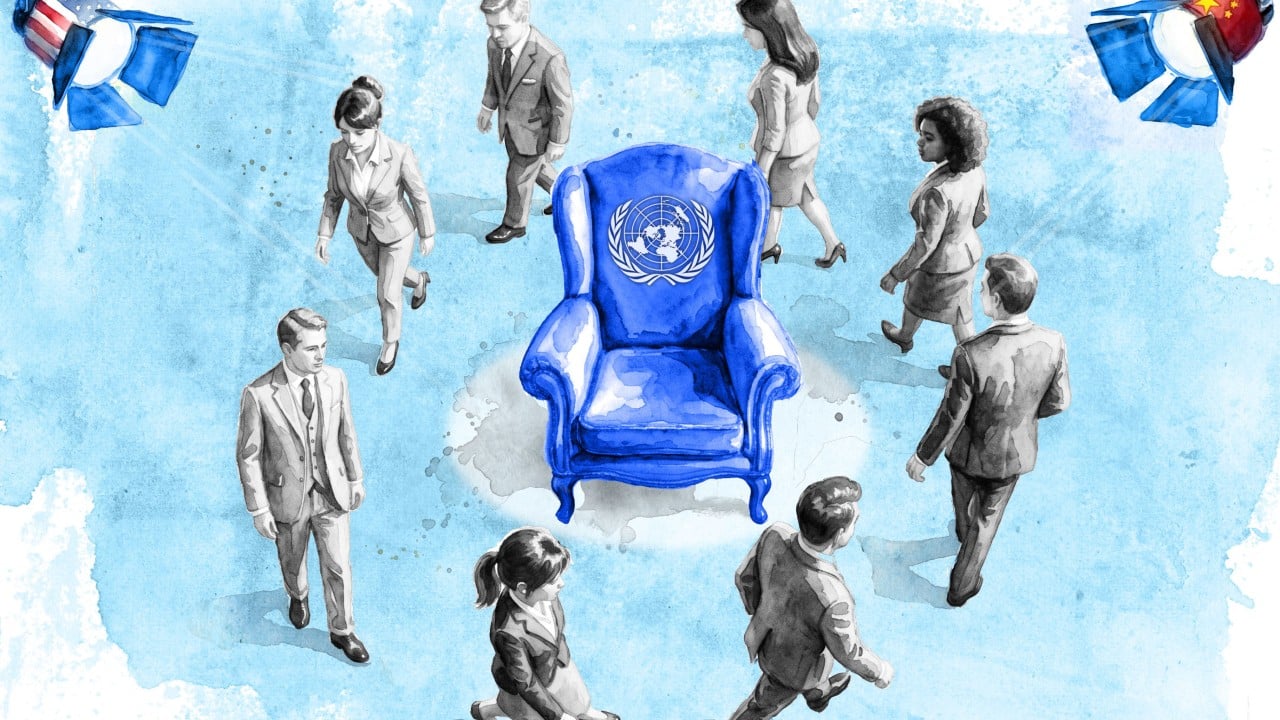
The official selection process, which began several months ago, involves the five permanent members of the UN Security Council (P5) reaching a consensus. While the choice is technically made by the 193 member states, the real power lies with the P5, comprising China, France, Russia, the United Kingdom, and the United States. This creates an archaic and somewhat flawed selection process, with the largest voices going to major donors like Beijing and Washington.
The selection is further complicated by a number of pressing issues facing the UN. As the Iran war rages on, artificial intelligence disrupts societies, and humanitarian crises intensify, peacekeeping operations have faltered and aid funding has dried up. These circumstances demand a strong, visionary leader capable of guiding the global community through necessary restructuring.
However, achieving consensus among the P5 members, each with their own red lines, parochial interests, and rivalries, appears to be a daunting task.
Current Secretary General Antonio Guterres, who promised a "surge in diplomacy for peace" during his selection, has emerged as a cautious leader mainly focused on humanitarian relief. However, critics argue that he has failed to seriously address cost-cutting measures, including expensive private school stipends and business-class travel.
With only seven candidates, compared to 13 at this stage in 2016, and some of them not supported by their home country, the selection process has become increasingly uncertain. Analysts contend that China seeks a candidate who will support more Chinese in top UN positions, promote China's Belt and Road Initiative, and further integrate its global security, development, and civilisation initiatives into the UN architecture.
The United States, on the other hand, is looking for a candidate who will comply with its unilateral approach to foreign policy, improve the UN's record on conflict resolution, and champion its aggressive financial reform agenda. Both China and the US have significant interests in the outcome, as their combined financial contributions make up nearly half of the UN's general budget.
Written by urgent.news from South China Morning Post's reporting — not their text. Machine-written — may contain errors; check the original before relying on it.