Protecting primates could protect thousands of other species, study finds
As biodiversity on Earth faces rapid decline, scientists are advocating for a new conservation approach: Save habitat for primates and protect countless other species along with them. For long, conservation efforts and funding have prioritized umbrella species such as tigers and giant pandas on the basis that protecting the vast areas they depend on can […]
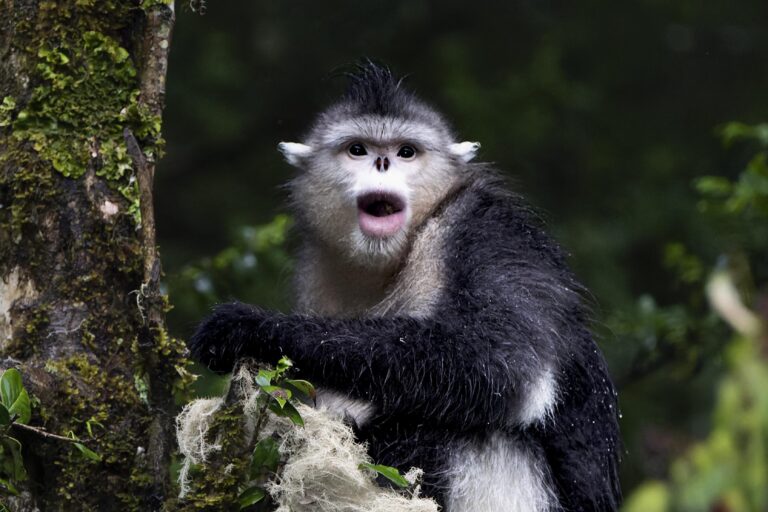
As human activity rapidly threatens global biodiversity, conservationists are proposing an innovative approach: prioritize the protection of primate habitats to simultaneously safeguard countless other species. Historically, conservation efforts have focused on "umbrella species" like tigers and pandas, believing that safeguarding their vast territories would also benefit other wildlife sharing those ecosystems.
However, a 2025 study has revealed that primates, including monkeys, apes, and other charismatic species, should also be considered umbrella species. These animals typically require expansive, healthy habitats to survive. By preserving the expansive domains of primates, researchers argue that the numerous other species that inhabit the same ecosystems would also be protected.
To substantiate their claims, the researchers studied the habitats of 16 primate species across China's Yunnan province. Additionally, they examined the ranges of 601 threatened and endemic mammals, amphibians, birds, and reptiles, as well as 4,010 seed plants native to Yunnan. Their analysis demonstrated that designating just 30% of Yunnan as a primate conservation priority area could protect 86% of the animals and 72% of the seed plants, with over half of the province's annual carbon storage preserved.
This conservation strategy has garnered support from various conservation groups worldwide. For instance, Rainforest Trust has been advocating for the protection of habitats of critically endangered primate species to extend safeguards to a multitude of other species as well.
Written by urgent.news from Mongabay's reporting — not their text. Machine-written — may contain errors; check the original before relying on it.