Preview to Totality: A Resource Guide to August 12th Total Solar Eclipse
It’s almost show time. We’re just a few days away now, from the only total solar eclipse of 2026. While eclipses are a surety as the celestial gears of the Universe grind on, there are always a few unknowns leading up to eclipse day. We wrote a recent guide to the upcoming total solar eclipse featuring totality across Greenland, Iceland, the North Atlantic and Spain on August 12th. As that date…
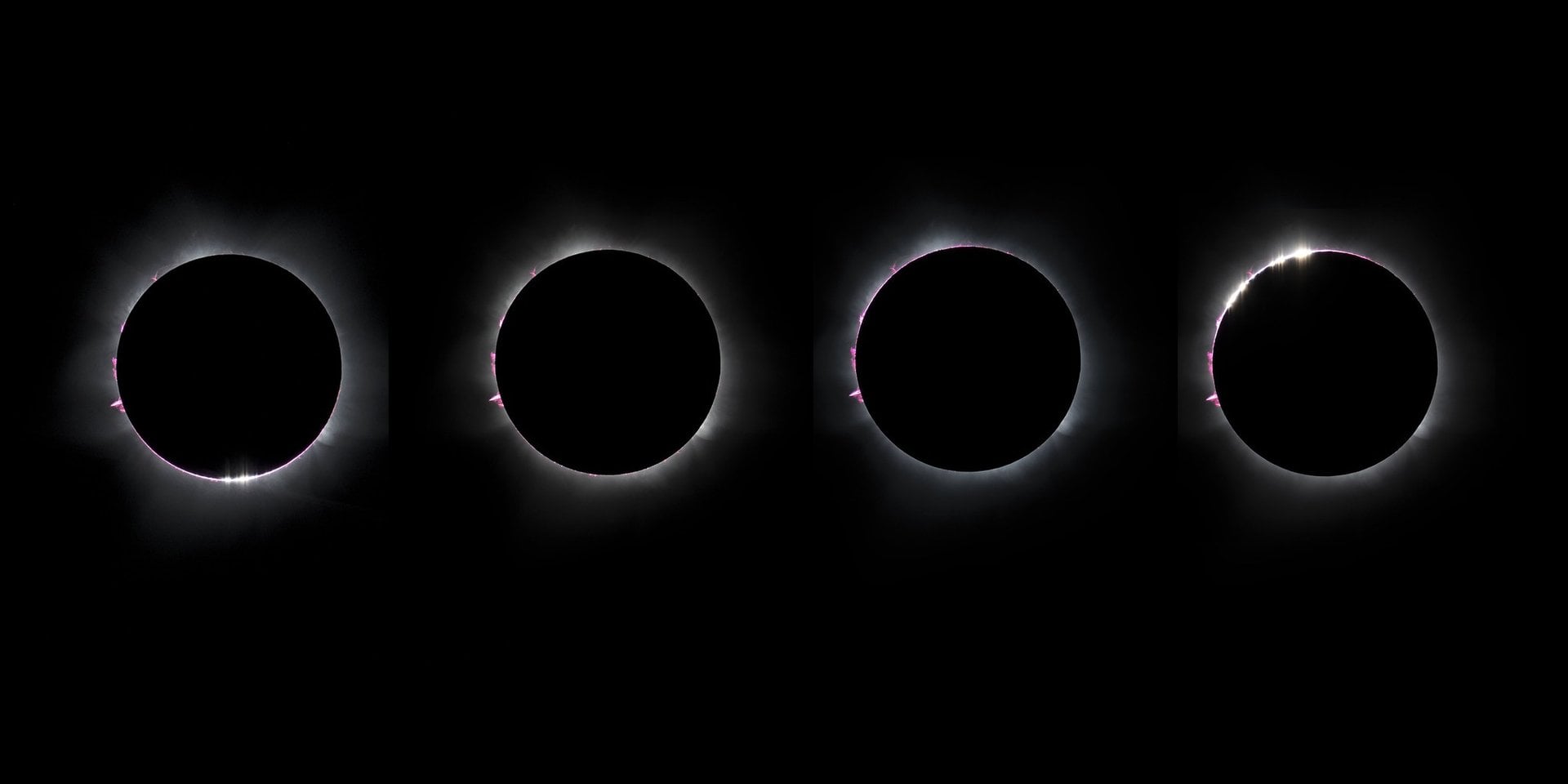
As we edge closer to the upcoming total solar eclipse on August 12th, there are still some uncertainties that remain. In our previous guide, we covered the total solar eclipse crossing Greenland, Iceland, the North Atlantic, and Spain. With the date now just days away, it is time to discuss the resources and prospects to keep in mind before the event.
One interesting aspect of this polar eclipse is how the partial phases will extend across North America, reaching as far west as Alaska. Check out the partial prospects for U.S. cities on eclipseglasses.com.
Weather can be a significant factor during an eclipse, as conditions can change rapidly. In the past, clear skies have turned cloudy, and vice versa. Pivotal Weather and ESA’s ECMWF page can provide long-range forecasts to help plan for the event.
The wildfires in Spain and southern France have been a concern leading up to the eclipse. The current wildfire situation in the Iberian peninsula is available here.
The shape of the solar corona can vary from one eclipse to another, and many eclipse enthusiasts can identify the eclipse based on the corona's appearance. Check out ESA’s KU Leuven’s COCONUT model site for updates on the solar corona.
Sunspot activity can also enhance the visual experience during the eclipse. With the tail of Solar Cycle Number 25 ending, the sun is still quite active. The Earthward side of the Sun rotates once every 25 days, so anything visible close to the eclipse will still be visible during the event.
Auroras may be visible during totality, but it is a long shot. If an Earth-directed Coronal Mass Ejection occurs within a few days of the eclipse, it could impact Earth's space weather environment.
Sungrazing comets have been spotted during previous total solar eclipses. Check out the Solar Heliospheric Observatory's LASCO C2 and C3 main pages, and NOAA's CCOR-1 coronagraph aboard the GOES-19 satellite to see if any comets are inbound.
Finally, you can still watch the eclipse live online through NASA, ESA, and the Virtual Telescope Project. Clear skies and good luck to everyone witnessing totality!
Written by urgent.news from Universe Today's reporting — not their text. Machine-written — may contain errors; check the original before relying on it.