National Handloom Day: Inside the Bonda tribe’s enduring Ringa weaving tradition
On National Handloom Day, a look at how women of Odisha’s Bonda tribe continue to preserve the handwoven Ringa, a weave that defines their identity
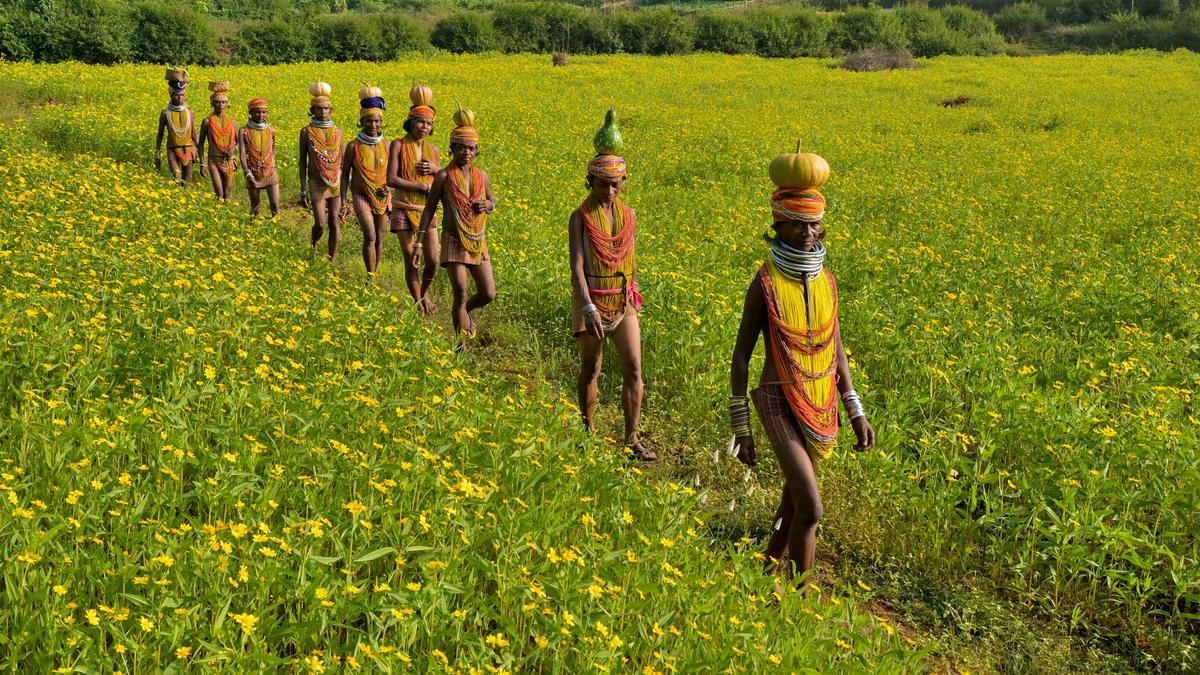
On National Handloom Day, the unique Ringa weaving tradition of the Bonda tribe in India's Malkangiri district comes under the spotlight. Woven by Bonda women, the intricately striped garment carries their family's story and serves as a vital cultural emblem.
Navaldeep Thareja, a textile engineer, emphasizes how the Ringa's identity remains closely tied to the community's heritage rather than commerce. Traditionally, the garment was made from Kerang tree fiber but later replaced by cotton yarn as market access improved. The tightly woven fabric is traditionally made for personal use and fits into daily life alongside farming and household tasks, with mothers and grandmothers passing down the skills.
Despite the changing times, the Ringa remains an important part of Bonda culture, especially during festivals when the community comes together. While the younger generation is increasingly pursuing education and jobs, the tradition of weaving the Ringa continues to be cherished and preserved by the Bonda women.
Written by urgent.news from The Hindu's reporting — not their text. Machine-written — may contain errors; check the original before relying on it.