Losing the next generation? Ghana cannot afford to ignore youth substance abuse
Every nation looks to its youth as the architects of tomorrow. They are expected to become the doctors who save lives, the teachers who inspire minds, the engineers who build infrastructure, the entrepreneurs who create jobs, and the leaders who shape national destiny. Yet, in Ghana today, a growing number of young people are falling into the grip of substance abuse, threatening not only their…
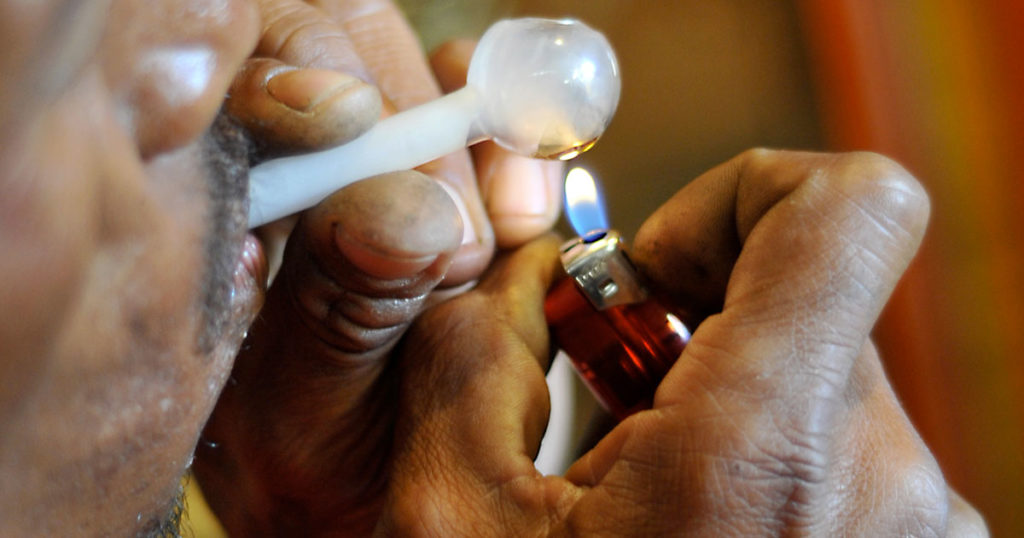
Ghana faces a looming national emergency as an increasing number of young people fall victim to substance abuse. This crisis extends beyond an isolated social issue or a law enforcement challenge; it demands urgent, coordinated, and sustained action from all sectors of society. The Narcotics Control Commission's warnings and those of the World Health Organization and United Nations Office on Drugs and Crime serve as a stark reminder of the devastating consequences of drug misuse among Ghana's youth.
The Director-General of the Narcotics Control Commission, Brigadier General Maxwell Obuba Mantey, has boldly stated that Ghana risks losing its future generation to this crisis, a warning that should not be taken lightly.
The root causes of this problem are multifaceted, encompassing peer pressure, unemployment, poverty, family instability, mental health issues, academic stress, curiosity, and the pervasive influence of social media. Many young individuals turn to drugs as an escape from emotional turmoil, hopelessness, anxiety, and adverse life circumstances.
What starts as experimentation can rapidly spiral into addiction, leading to irreversible physical and psychological harm. While NACOC's efforts in public education and community awareness are commendable, they are insufficient on their own. Ghana must significantly increase investments in prevention, early intervention, mental health services, counseling, and rehabilitation programs that are both affordable and accessible to all.
Educational institutions must bolster their guidance and counseling units to identify and support vulnerable students before they succumb to addiction. Parents must remain actively engaged in their children's lives, and religious bodies, traditional authorities, civil society organizations, and community leaders must collaborate to foster environments that discourage substance abuse and promote healthy lifestyles.
Crucially, the fight against substance abuse must be rooted in compassion rather than solely in punishment. Addiction is a public health crisis that necessitates empathy as much as accountability. Young individuals grappling with substance dependence require treatment, counseling, rehabilitation, and avenues for reintegration, not merely imprisonment or social ostracization.
Criminalizing addiction without addressing its underlying causes will only exacerbate the crisis and leave many lives irreparably damaged.
Addressing youth unemployment is paramount in curbing substance abuse. A young person with meaningful employment, quality education, vocational skills, and opportunities for personal growth is far less likely to resort to harmful substances for comfort. Expanding youth employment programs, recreational facilities, entrepreneurship support, and skills training should thus be integral components of Ghana's comprehensive drug prevention strategy.
History demonstrates that Ghana can surmount significant national challenges through unity and collective responsibility. The burgeoning menace of youth substance abuse demands the same spirit of national commitment. Families, educators, healthcare professionals, policymakers, law enforcement agencies, traditional leaders, religious institutions, civil society organizations, and young people themselves must unite to reverse this perilous trend before it becomes irreversible.
The next generation is Ghana's most valuable national resource. If we fail to safeguard our young people from the escalating threat of substance abuse today, the consequences will reverberate far beyond individual lives. We risk diminishing our workforce, increasing crime rates, overburdening the healthcare system, and stalling the nation's development.
The price of inaction will be measured not only in statistics but in shattered dreams, broken families, and unrealized potential. Ghana cannot allow another generation to be lost to addiction. The time for action is now—not after another promising life has been extinguished by substance abuse.
Written by urgent.news from MyJoyOnline Ghana's reporting — not their text. Machine-written — may contain errors; check the original before relying on it.