Bacterial 'postbiotic' may help preserve fertility in the aging uterus, preliminary research suggests
A bacteria-derived "postbiotic" may help restore the aging uterus, but experts say it is too early to know whether it could improve fertility as a treatment.
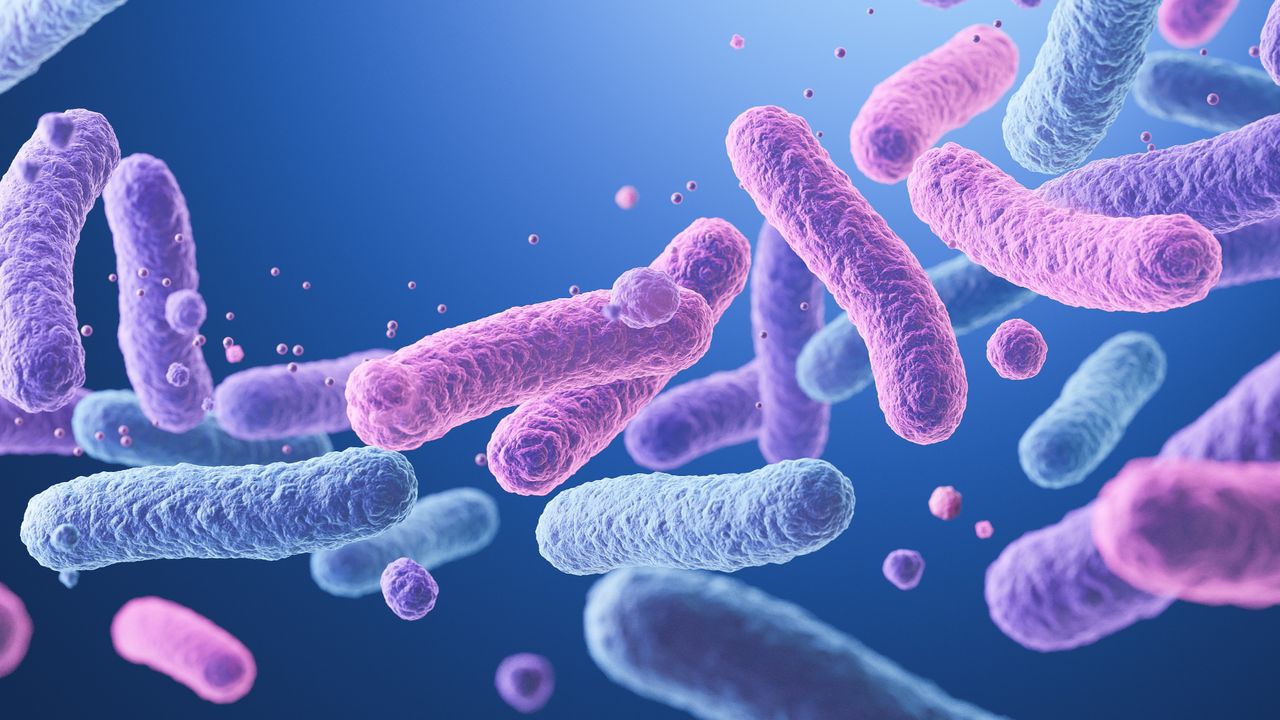
A recent study published in the journal Cell Host & Microbe suggests that promoting specific bacteria in the uterus may help preserve fertility in aging women. As fertility declines with age, researchers analyzed the changes in bacteria present in the uterine lining and found that a particular species of Lactobacillus called L. gasseri, when introduced to aged mice and lab-grown human uterine cells, reduced signs of aging and improved embryo implantation.
These findings imply that the uterine microbiome, encompassing the bacteria residing there, could be a promising target for treating age-related infertility. However, experts remain cautious, pointing out that further research is needed to validate the findings across diverse populations before developing treatments. The study's lead author, Dr. Rong Li, emphasized that the microbiome's diversity does not significantly differ with age, but certain bacterial species do.
In vitro fertilization (IVF) results indicated that women with higher levels of Lactobacillus in their uterine lining were more likely to become pregnant. The researchers further tested a purified sugar molecule, called LG-EPS, derived from L. gasseri, which showed similar benefits when introduced to older female mice. The postbiotic treatment led to fewer signs of uterine aging, reduced inflammation, and higher embryo implantation rates.
However, the study authors noted that further research is required to determine if these findings can be applied effectively to human fertility.
Written by urgent.news from Live Science's reporting — not their text. Machine-written — may contain errors; check the original before relying on it.