Locked up in luxury at the new Hoshinoya Nara Prison hotel
Open from July, the lodging occupying an Important Cultural Property prompts guests to reflect on societal progress and the role of prisons.
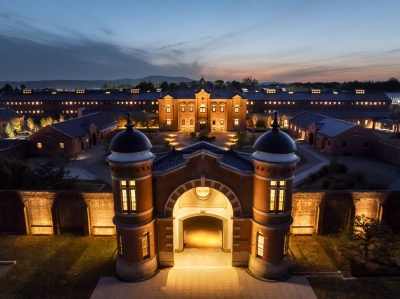
In the heart of Nara, Japan, a unique blend of luxury and historical significance emerges from the walls of the newly opened Hoshinoya Nara Prison hotel. As visitors traverse the grounds, it becomes impossible to ignore the stark reminder that the area once housed individuals deemed worthy of incarceration. The hotel's striking exterior, characterized by its imposing red-brick gatehouse and preserved guard posts, stands as a testament to its storied past.
The interior of Hoshinoya Nara Prison hotel is equally captivating, with each guest room ingeniously combining former cells to create accommodations that, while serving a different purpose, do not shy away from their original function. These rooms, scattered across two stories, offer a unique glimpse into the lives of those who once occupied these spaces, forcing guests to confront the ethical implications of turning such a place into a venue for leisure.
As one navigates through the facility, questions inevitably arise. Is it morally justifiable to revel in a location that was undoubtedly a site of suffering for its past inmates? In a nation like Japan, where public safety is often prioritized, sometimes to the point of being excessive, what should be the role of prisons, both contemporary and historical? These are profound inquiries that arise from the juxtaposition of luxury and history that Hoshinoya Nara Prison hotel embodies.
While the hotel's subscription policy does not currently allow for reader comments, it is an intriguing concept that sparks conversation about the nature of incarceration, the purpose of prisons in society, and the ethics of repurposing a site with such a dark history. Despite the inability to directly engage in the discourse, the hotel itself stands as a thought-provoking reminder of the complex relationship between public safety, historical preservation, and the human experience.
Written by urgent.news from Japan Times's reporting — not their text. Machine-written — may contain errors; check the original before relying on it.