Is the “Democracy Under Attack” narrative real, or is it a convenient escape from accountability?
The opposition has marched in red and black, chanting that democracy is under attack. The slogans are loud, the placards are colourful, and the cameras are rolling. But beneath the spectacle lies a simple question: What exactly is under attack? Is democracy under attack because former public officials are being investigated over decisions they took while exercising public power? If accountability…
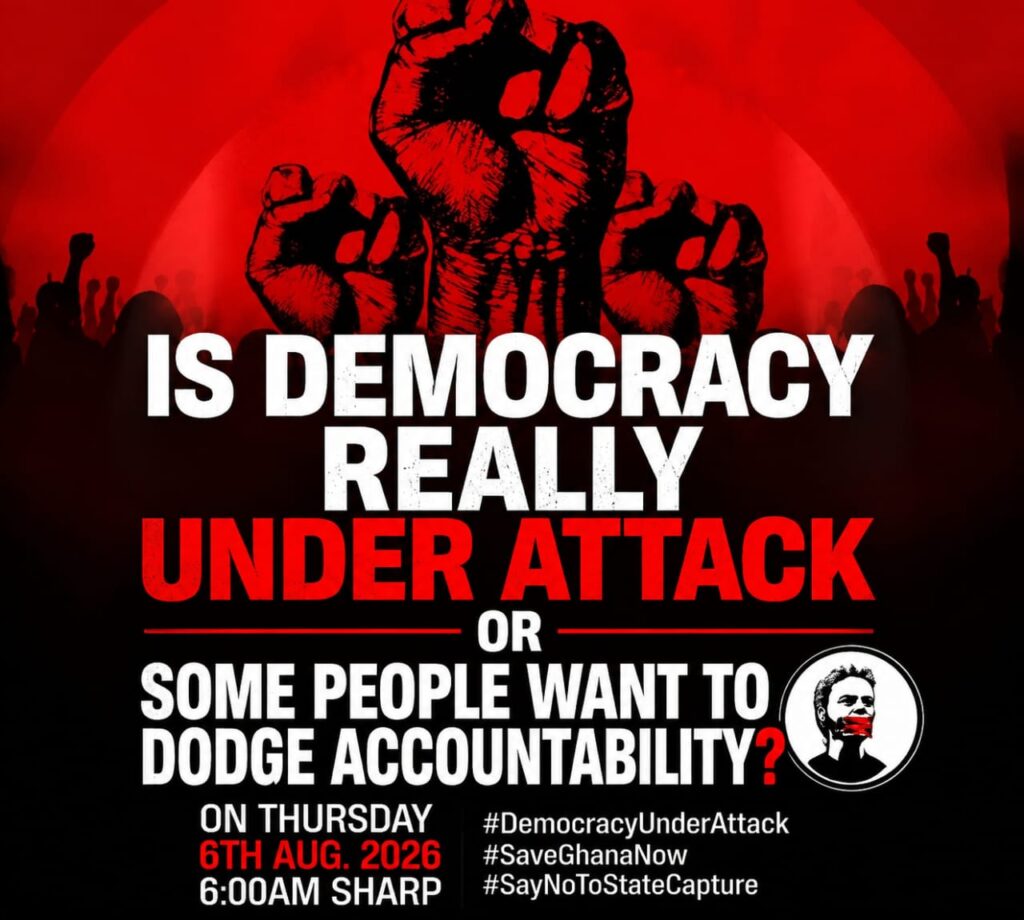
The "Democracy Under Attack" narrative has gained traction, with opposition groups marching in unison and raising their concerns about democratic erosion. However, the underlying question remains: what is truly under attack? Is it the result of former public officials facing scrutiny for decisions made while in office? If accountability has been twisted into oppression, then every anti-corruption institution may need to reconsider its role.
It is essential to recognize that freedom of expression does not grant a license to publish without facing consequences; rights and responsibilities coexist. Another perspective suggests that political actors who once advocated for the "law taking its course" are now invoking the terminology of victimhood when the law enters their domain.
This shift in perspective raises an important question: should accountability be viewed as patriotic or as persecution? While it is crucial to hold every administration and its officials accountable, the "Democracy Under Attack" narrative risks fostering selective amnesia. Citizens should not forget past instances of intimidation, heavy-handedness, and declining public confidence in governance.
Furthermore, the leadership that champions this narrative appears to struggle with offering a compelling alternative vision, instead focusing on portraying accountability as oppression. Although peaceful protest is an essential democratic freedom, the ability to organise nationwide demonstrations and march through the streets should not be used to mask a lack of genuine democratic threats.
While it is perfectly acceptable for political parties to mobilise supporters, dressing such activities in the guise of a constitutional emergency can undermine the seriousness of genuine democratic concerns. Democracy's survival does not hinge on the call for accountability, but rather on the presence of a vigilant and principled opposition.
We deserve robust criticism of government actions, but not the hypocrisy masquerading as a "constitutional emergency." If every investigation is labeled as "persecution," every prosecution as "dictatorship," and every legal process as an "attack on democracy," the phrase loses its meaning. The loudest cries for "saving democracy" may actually be pleas to save politicians from accountability.
Written by urgent.news from MyJoyOnline Ghana's reporting — not their text. Machine-written — may contain errors; check the original before relying on it.