Iran's chief negotiator accuses Trump of 'theater diplomacy' with Hormuz traffic near standstill
The conflict is broadening across the region, with Gulf energy infrastructure and key shipping chokepoints under renewed threat.
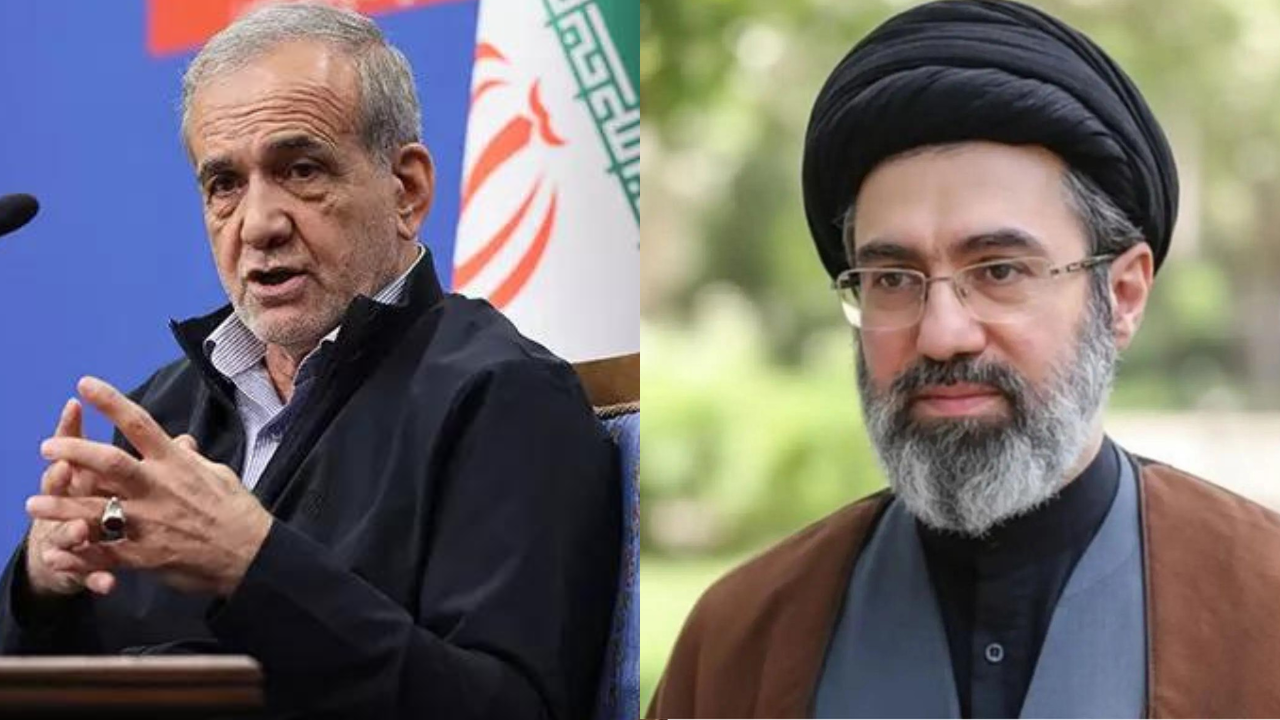
Iran's chief negotiator, Mohammad Bagher Ghalibaf, has accused U.S. President Donald Trump of utilizing "theater diplomacy" following a standoff between the two nations over traffic through the Strait of Hormuz. Ghalibaf's remarks, posted on X, suggested that the situation had become a series of false provocations and promises of negotiations. In contrast, Iranian officials have denied these claims, stating that no diplomatic talks are currently in progress.
The conflict has escalated further, posing threats to Saudi Arabia's energy infrastructure and key shipping routes. Saudi Arabia has received intelligence reports indicating that Iraqi militia factions, in collaboration with Iran's Islamic Revolutionary Guard Corps, are planning to launch coordinated attacks in the near future. The same day, the Houthis claimed responsibility for attacking two Saudi oil tankers in the Gulf of Aden, disrupting shipping through two critical chokepoints - the Strait of Hormuz and the Bab el-Mandeb.
Shipping through the Strait of Hormuz has drastically decreased, with only two vessels passing through on Wednesday - a stark decrease from the usual eight vessels a day earlier. Meanwhile, traffic through the Bab el-Mandeb has fallen to a single dry bulk carrier, compared to 20 vessels the previous day. Experts predict that these traffic levels are unlikely to return to pre-war figures, even if an agreement between Iran and Oman is reached for managing the waterway.
The U.S. and Israel would be barred from the Strait of Hormuz under the draft plan, which also includes restrictions on countries that have "caused damage" to Iran. Iran plans to impose penalties of up to 20% of cargo value for violations, which are currently under review. Oil prices responded to the growing tensions, with Brent crude futures for October delivery increasing 1.3% to $83.55 a barrel and WTI crude rising 1.1% to $78.17 on Friday. These gains indicate a hardening stance by Iran and reflect the growing uncertainty in the region.
Written by urgent.news from CNBC's reporting — not their text. Machine-written — may contain errors; check the original before relying on it.