India’s cement industry could replace more coal with waste fuel, but adoption hurdles remain
At the Mint Sustainability Summit, GGEPIL CEO Fahim Sopariwala said India's cement industry can replace far more coal with waste-derived fuel, but infrastructure, pricing and adoption hurdles remain.
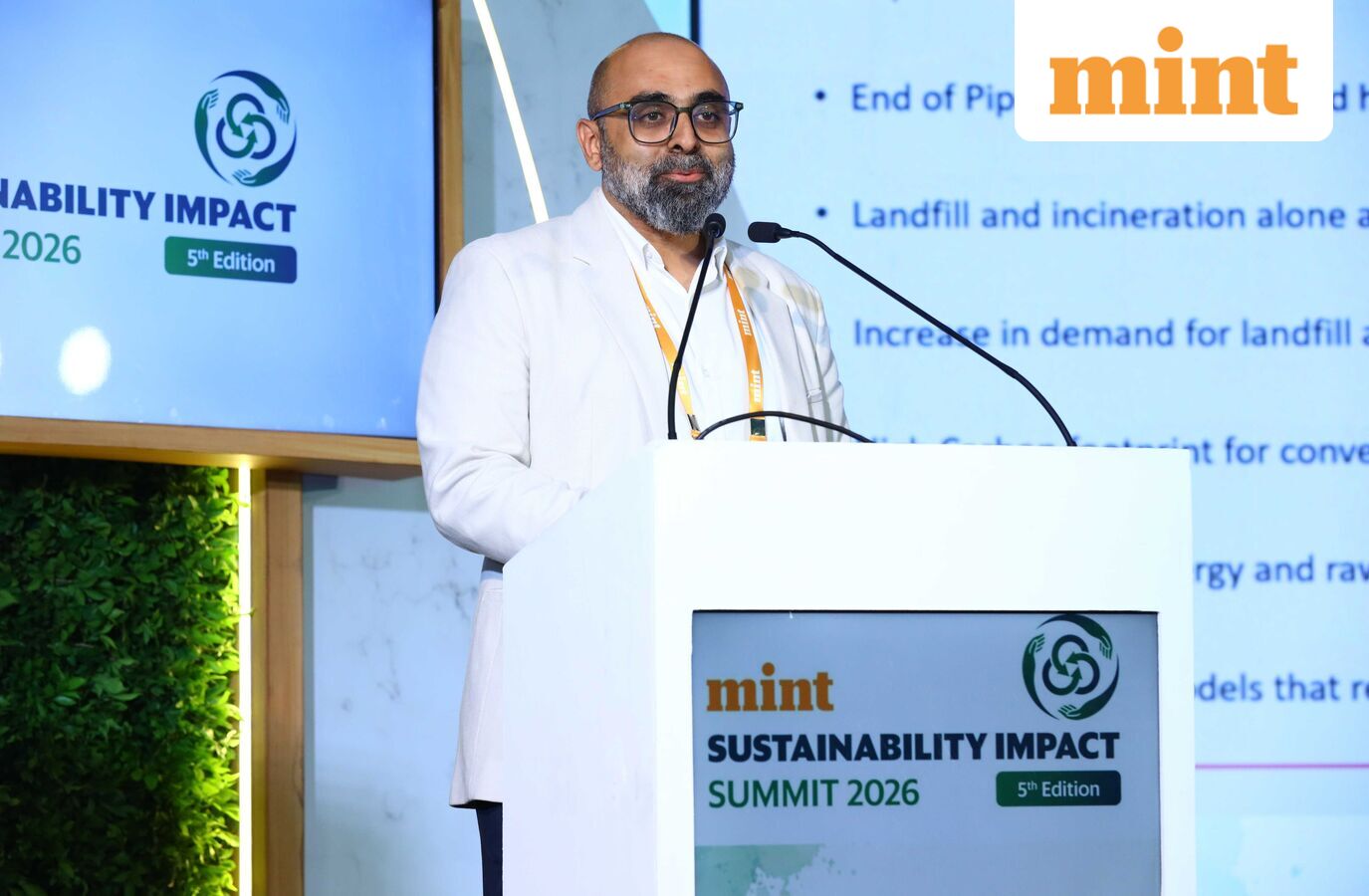
India's cement sector has the potential to replace a significant portion of coal and petcoke with waste-derived fuel, according to Fahim Sopariwala, CEO of Green Gene Enviro Protection and Infrastructure Ltd. However, limited processing infrastructure, plant-level acceptance, and uncertain pricing have hindered adoption. India produces vast amounts of municipal and industrial waste, but conventional waste management methods like landfills and incineration are not ideal.
Co-processing, which treats waste as fuel in cement, power, and steel plants, could offer a solution. Currently, the thermal substitution rate (TSR)—the share of fossil fuel replaced by alternative fuel—remains below 5% in India, compared to global benchmarks of up to 90%. Some Indian cement plants have reached about 40% TSR. A typical cement plant consumes around 1,000 tonnes of coal or petcoke daily.
Alternative fuel produces less heat, so plants would need more of it to generate the same amount of heat. Unlocking this potential requires a steady supply of waste, proper processing infrastructure, and clear pricing benchmarks. GGEPIL processes various types of hazardous waste, transforming it into a standardized fuel for cement plants.
The company's alternative fuel is cheaper than conventional fuels, generating 30-40% less heat per kilocalorie. Over the past 13 years, GGEPIL has saved 950,000 tonnes of fossil fuel and processed over 1 million tonnes of industrial hazardous waste.
Written by urgent.news from Live Mint's reporting — not their text. Machine-written — may contain errors; check the original before relying on it.
This story
This is one outlet's version. Read the fullest account.