I asked Gemini and ChatGPT to build OpenAI's mythical AI hardware — the results are shockingly good but still don't make me want this $300-plus device
We have fresh rumors on OpenAI's AI hardware, but what do they really mean? We turned to Gemini and ChatGPT for fresh perspective, renders, and have new thoughts about why the gadget still won't work for us.
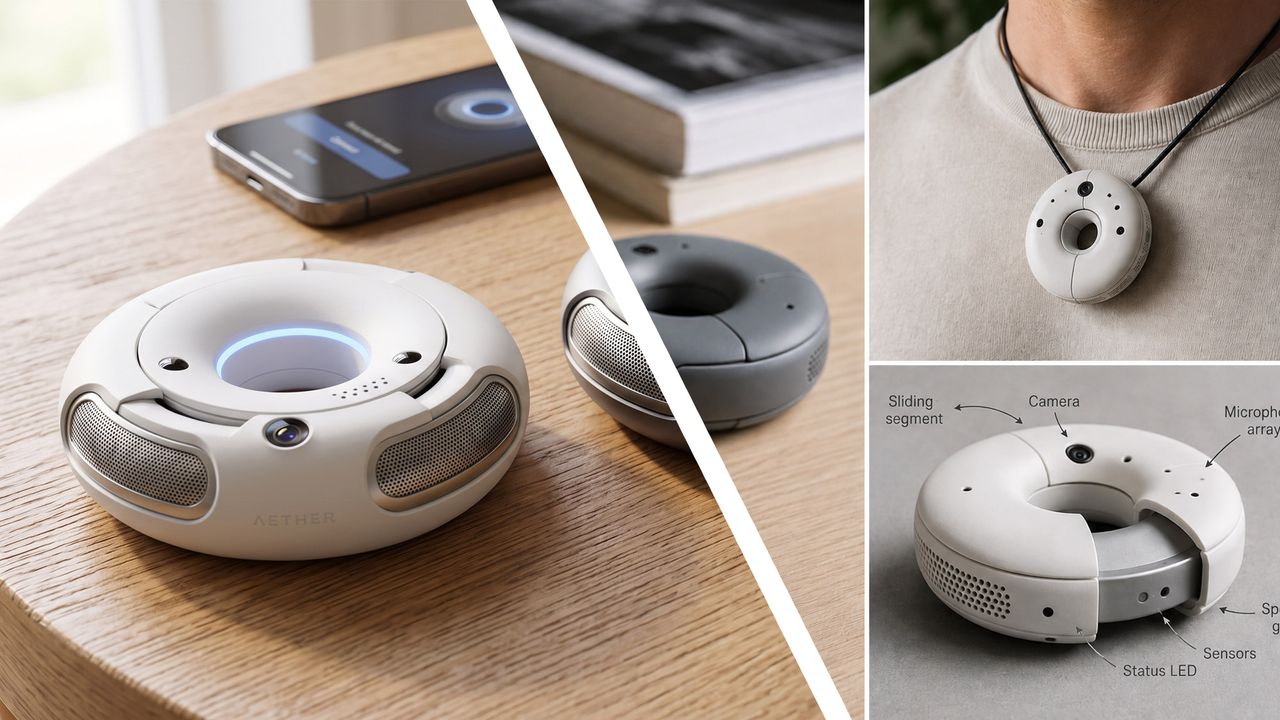
OpenAI's first AI hardware, a donut-shaped gadget, has surfaced in Bloomberg's unconfirmed report. Designed by Jony Ive's studio, the device boasts sensors, cameras, microphones, and speakers, aiming to bring ChatGPT closer to users. Priced around $300-$400, the gadget's purpose remains unclear, leaving users questioning its necessity.
The device's design, while intriguing, doesn't significantly address current concerns about AI's environmental impact or resource consumption. Gemini and ChatGPT were prompted to generate images of the device, resulting in cute, digital candy-like representations. While the renders display a basic understanding of the device's features, they lack realism and don't offer a convincing argument for the gadget's existence.
OpenAI's upcoming AI wearable might be small, round, lightweight, and intelligent, but the real question remains: will consumers embrace such a device in a world increasingly wary of AI's growing influence?
Written by urgent.news from TechRadar's reporting — not their text. Machine-written — may contain errors; check the original before relying on it.
Also reported by 2 other outlets
- OpenAI’s new device will be hockey puck-sized and cost over $300 economictimes.indiatimes.com
- I let ChatGPT, Gemini, and Alexa shop my kids' back-to-school supplies — only one got it right tomsguide.com