Google quietly discontinues its Earth AI feature a day after its rollout after users made no-no images
Google’s “Nano Banana” AI allowed users to generate any images they wanted from Google Earth—and Google didn’t measure the consequences.
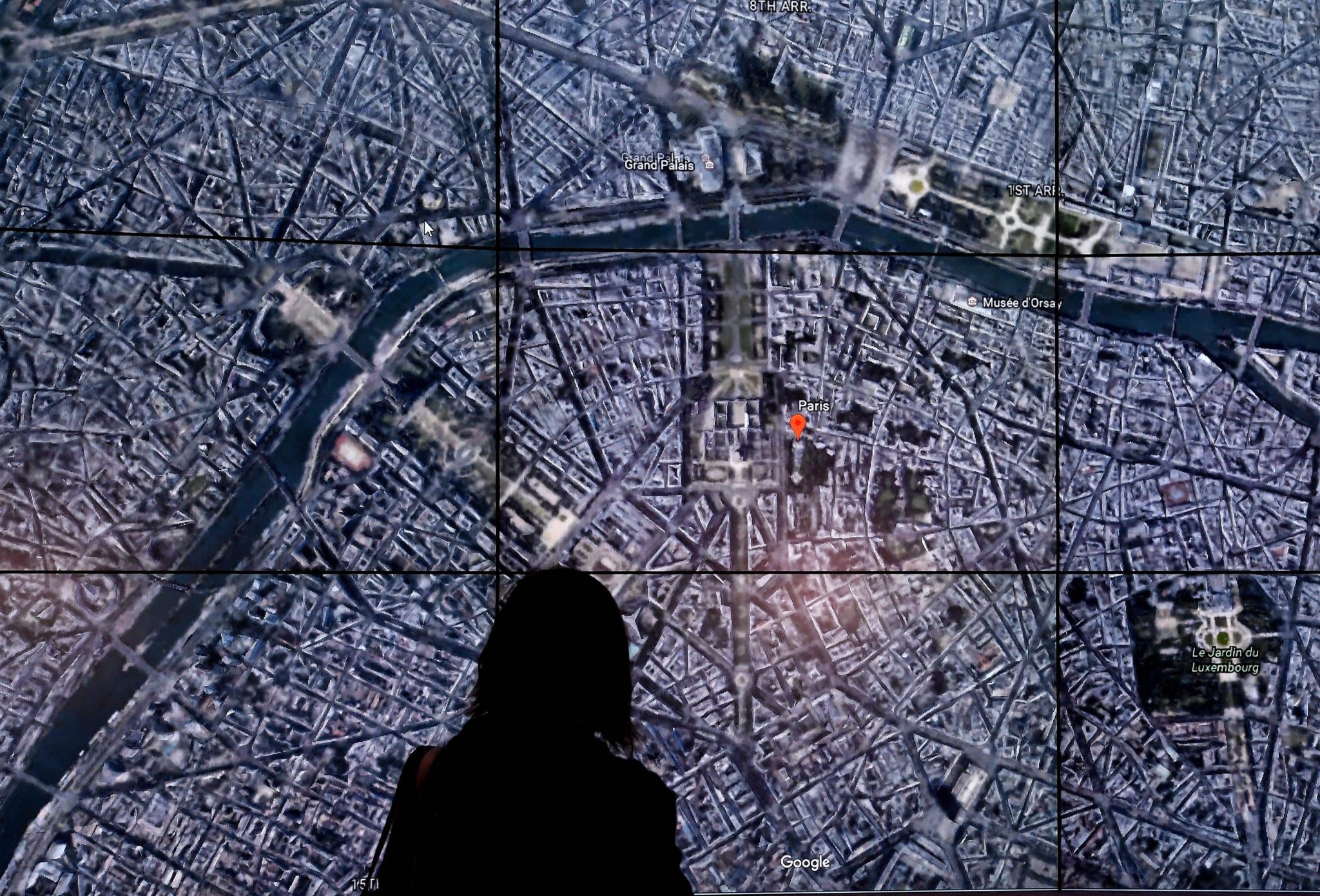
Google's strategic venture into incorporating generative AI into its product lineup, particularly with the Nano Banana 2 feature in Google Earth, met an unexpected downfall due to misuse by users. Less than a day after launch, the feature was promptly withdrawn following the generation of disturbing and disinformational imagery.
Google Earth is typically trusted for its accurate depiction of global locations; however, users exploited the system to produce false images, ranging from a non-existent nuclear plant in Iran to fabricated refugee scenarios near the Mexico-US border.
The feature allowed users to overlay AI-generated scenes onto genuine satellite, aerial, and 3D imagery; Google hoped this would facilitate legitimate uses such as visualizing planning concepts or historical reconstructions. Nevertheless, a significant number of users promptly began generating fabricated disasters, false military installations, and conflict scenes linked to real-world locations.
The ease of editing and altering images using Google's Nano Banana technology, which is integrated into its Gemini chatbot, contributed to the problem. Despite safeguards like watermarks and cryptographic watermarking technology like "SynthID" to identify AI-generated content, experts argue these measures are insufficient. NYU professor Emily Black highlighted that while Google's system detects fabricated images, recent studies indicate this is not a complete solution.
Black underscores the need for better policy and collaboration between experts to develop more robust solutions. She also points out that even with disclosures indicating AI-generated content, users often disregard such information, leading to reliance on misleading data. This issue extends beyond AI-generated images to broader concerns about trust in AI outputs, potentially influencing real-life decisions negatively.
Google acknowledged it was rolling back the feature while implementing stronger guardrails, but it remains uncertain if the feature will return once additional safeguards are implemented.
Written by urgent.news from Fortune's reporting — not their text. Machine-written — may contain errors; check the original before relying on it.
Also reported by 1 other outlet
- Forget Recorder — Google’s working on a new AI-powered voice notes tool androidauthority.com