How NCAA Athlete Eligibility Limbo Has Sown ‘Absolute Chaos’
Coaches, GMs, and lawyers are still trying to sift through the upheaval.
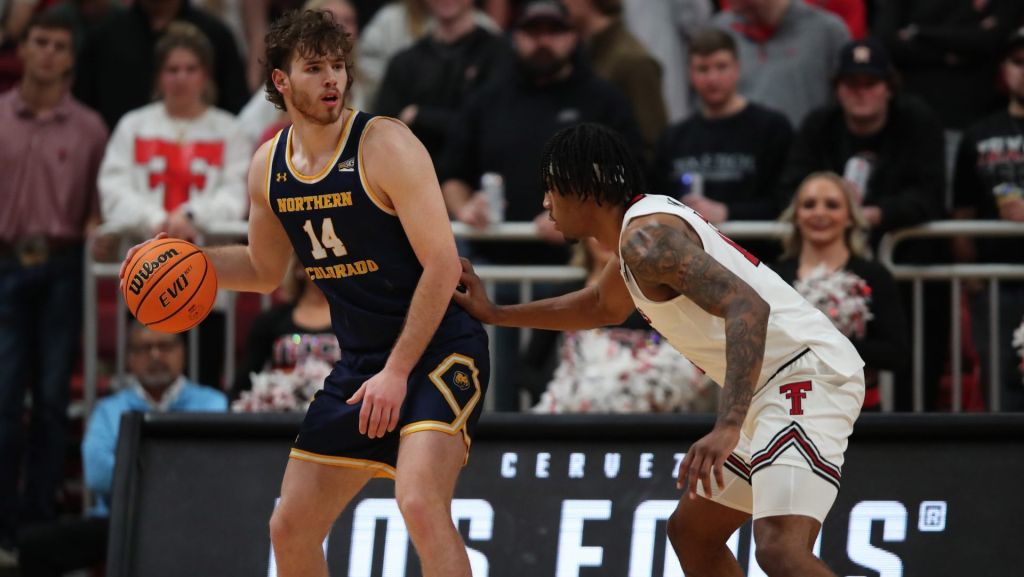
On a typical Friday in late July, college sports coaches would expect a break. However, on July 31, 2022, things took an unexpected turn. A preliminary injunction was granted by Colorado district court judge Charlotte Sweeney, which had a profound impact on the world of NCAA athletics.
The ruling allowed all players who entered college in 2022 but had already used up their four years of eligibility to compete for a fifth year. This sudden development left thousands of athletes across all sports eligible to join an NCAA team.
Coaches and compliance directors scrambled to understand the implications of the ruling. Many found out about the decision through social media or word of mouth, as their compliance teams were away on vacation. Agents and NIL operators quickly seized the opportunity to market and fund additional players.
The NCAA, however, was not going to let the chaos continue. They began working to reverse the ruling, stating that the status quo represented the best judgment for student-athletes. In a memo to members, NCAA Chief Legal Officer Scott Bearby emphasized the importance of maintaining the current arrangement.
The NCAA had implemented a new "age-based" eligibility policy in June. This policy required players to complete five seasons (rather than four) by the time they turned 19 or enrolled in college, whichever came first. This change only applied to players who had already completed four years of eligibility when they entered college in 2022. Several lawsuits were filed, and the Colorado case, a proposed class-action, provided a potential solution.
The weekend following the ruling was a whirlwind of activity. Coaches, agents, and NIL operators were inundated with calls and texts, all trying to determine how the ruling could benefit their respective athletes and programs. On Sunday, Judge Sweeney filed another motion, providing further clarification on the ruling's limitations. Athletes who had signed professional contracts, reached the age of 24, or were not part of the NCAA's transfer portal would not be eligible to participate.
While some teams benefited from the open season, many had already reached their roster limits. Those with open spots faced challenges in finding external NIL opportunities to attract players, as they were limited by revenue-sharing regulations. One notable example was former Robert Morris women's basketball player Aislin Malcolm, who was ineligible for a fifth year due to the NCAA's transfer restrictions despite having multiple offers from other programs.
Sources concluded that the NCAA's handling of the situation was inadequate and chaotic. Experts agreed that the organization could have avoided much of the confusion by implementing the new policy during the 2026-27 school year or from the start of the 2022 season. The situation, according to sports attorney Darren Heitner, was indeed a "shit-show" caused by the NCAA's handling of the eligibility policy.
Written by urgent.news from Front Office Sports's reporting — not their text. Machine-written — may contain errors; check the original before relying on it.