‘This is very real redlining’: outrage in Little Rock as two datacenters loom
Critics decry proposed hyperscale projects, fearing overuse of water and electricity, and ‘appropriating rural, Black-owned land for industrial purposes ’ There seems to be a fight over datacenters in nearly every city in the US right now. And amid the extreme polarization of today’s politics, the opposition tends to be bipartisan. “I would say it’s kind of the far left and the far right ran into…
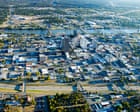
Rural, Black-owned land in Little Rock, Arkansas, is facing opposition as two datacenter projects approach. Google plans to build a 1.43 million square foot datacenter at the Port of Little Rock, while Avaio aims to construct a $6 billion project in a rural area of Pulaski County. Critics argue that these hyperscale datacenters will strain the region's water and electricity resources, and "appropriate" rural land for industrial purposes.
This pushback stems from a sense of crisis over the natural resources of Arkansas, a state nicknamed "The Natural State." The datacenter industry seeks out cheap land and power, a combination that has attracted interest from both tech giants and crypto miners. In Little Rock, Mayor Frank Scott Jr. argues that the datacenters will strain the city's resources and not pay their fair share, leading to increased costs for residents.
However, in other smaller towns across Arkansas, such as West Memphis, these projects have been met with enthusiasm, thanks to significant financial incentives provided by tech companies like Google. In Wrightsville, the neighborhood where the Avaio project is set to go, residents are worried about the impact on their community.
The 30-acre initial buildout would consume 150 megawatts of power, equivalent to the energy needs of 100,000 homes, and up to a gigawatt in the second phase, using about 4 million gallons of water daily. Neighborhood activists have been distributing flyers urging residents to attend the quorum court meeting to voice their opposition.
However, many community members, mostly Black or immigrant, working-class, and elderly residents, may not have the resources or motivation to take part in sustained protest. Many of the properties in the area are "heir property," passed down through generations, and some residents fear the loss of their land while others are not ready to give it up.
The community is in a state of uncertainty, grappling with the potential job opportunities against the fear of environmental degradation and financial burdens.
Written by urgent.news from Guardian Technology's reporting — not their text. Machine-written — may contain errors; check the original before relying on it.