Grand Gulch Mine in Littlefield, Arizona
Copper, of course, has been known since antiquity, but it only became an important industrial metal in the latter 19th century with the rise of large-scale electrical technology. Previously copper deposits were worked only if cheap and accessible. When the Grand Gulch deposit, then called Adam's Lode and marked by brilliant blue and green copper-bearing pebbles on the ground surface, was…
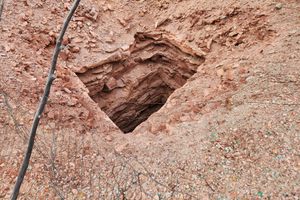
Deep beneath the surface of Arizona lies a hidden treasure trove known as the Grand Gulch Mine. This remarkable mine, once a bustling hub of copper and silver extraction, has a rich history dating back to the late 19th century.
The mine's discovery came after the Civil War, when the shifting economic landscape of copper led to its extraction beginning in 1872. The mine's yields were extraordinary, with ore concentrates boasting copper concentrations of up to 75-80%. These highly valuable concentrates were transported via wagon to St. Thomas, Nevada, before being shipped to smelters in Salt Lake City, Utah.
At its peak during World War I, the mine provided employment to around 80 people, including women and children from mining families. However, the post-war copper price slump led to the mine's closure in 1919. Despite a brief revival in the early 1950s thanks to new technology that allowed the extraction of copper and silver from low-grade ore, the mine's production dwindled again.
The Grand Gulch Mine is situated within a so-called breccia pipe, a geological formation composed of broken pieces of rock. This unique structure formed when overlying rocks collapsed into limestone caves, hundreds of feet below the surface. The resulting chaos created a conduit for metal-bearing solutions that precipitated copper and silver deposits.
Though known for its copper and silver production, the Grand Gulch Mine never yielded significant amounts of uranium, despite a brief interest during the uranium boom of the early 1950s. Today, the site is marked by a couple of large abandoned dump trucks, remnants of a bygone era.
Written by urgent.news from Atlas Obscura's reporting — not their text. Machine-written — may contain errors; check the original before relying on it.