Galamsey now threatening food supply chain, pushing up prices – Agricultural Advocates Warn
Ghana's illegal mining crisis is no longer only about polluted rivers and destroyed forests. Agricultural advocates say the activities of galamsey operators are now threatening the country's food supply chain by reducing farmland, cutting production, and pushing up the prices consumers pay at markets. The Chief Executive Officer of The Ghanaian Farmer, Enyonam Manye, says the destruction of…
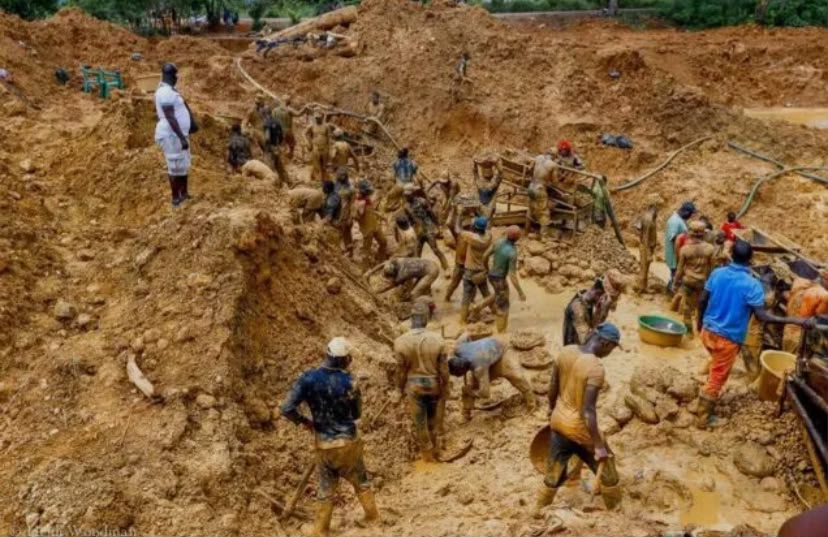
Ghana’s illegal mining, known as galamsey, is not only causing environmental damage but is now threatening the country’s food supply chain, according to agricultural advocates. The activities of these operators are leading to a reduction in farmland, decreased production levels, and subsequently higher food prices for consumers, according to Enyonam Manye, CEO of The Ghanaian Farmer.
"When people hear the word galamsey, they immediately think about polluted rivers, destroyed forests and illegal mining. While those who are serious or those who are concerned, there's another consequence that affects every Ghanaian every single day, is the rising cost of food," she stated.
Farms that once produced essential crops like vegetables, maize, cassava, plantain, and cocoa are being destroyed by illegal mining, leading to shortages that push up food prices. When farmland is lost, farmers struggle to maintain previous production levels, creating food supply challenges that ultimately affect market prices. Many farmers are also losing access to land as some landowners prioritize financial gains from illegal mining over farming.
This results in reduced availability of farmland and higher costs for consumers due to additional expenses like transportation.
The basic economics of supply and demand explain the relationship between illegal mining and rising food prices, with reduced production due to contamination of farmland and water sources leading to lower supply and higher prices when demand remains high. The Ghana Youth Environmental Movement (GEM) highlighted Isiakwa in the Eastern Region as an example, where the community once self-sufficient in food production but is now dependent on external supplies after farmlands were converted into mining sites.
Without urgent measures to protect agricultural lands and address illegal mining, Ghana risks further compromising food affordability and long-term food security. While the government has implemented interventions like Operation Halt and the deployment of military personnel, advocates argue for more comprehensive action to safeguard farmlands and prevent the destruction of agricultural livelihoods.
Written by urgent.news from MyJoyOnline Ghana's reporting — not their text. Machine-written — may contain errors; check the original before relying on it.