From milk to snack foods, more products are going ‘regenerative’
With a focus on increasing soil health, companies are aiming to reduce the use of pesticides and plowing to promote health-conscious food options.
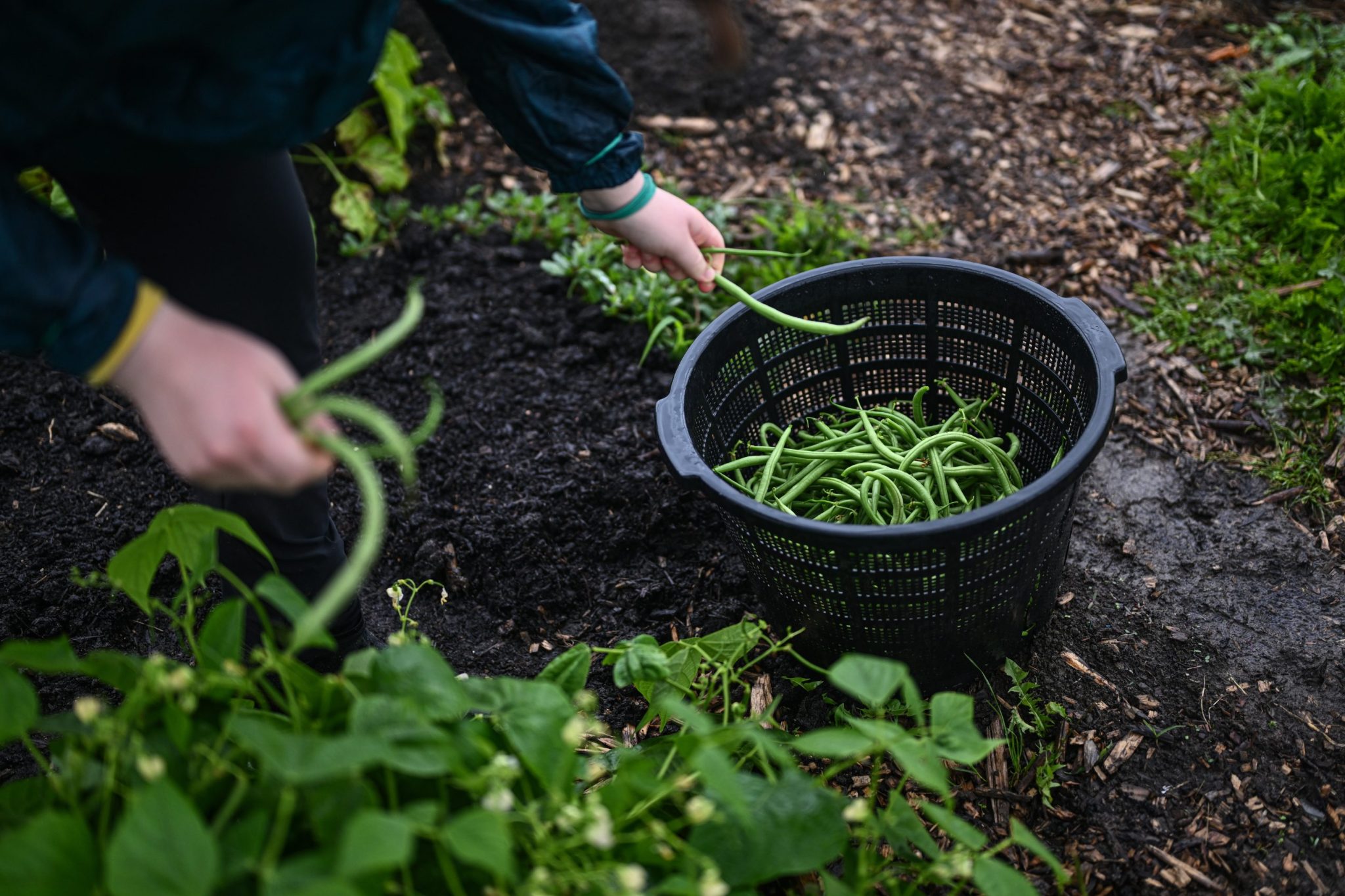
Regenerative agriculture, an approach to farming that prioritizes soil health through practices such as reduced pesticide use and plowing, is experiencing a surge in popularity. Despite initial confusion, this trend has gained traction, with retail sales of regenerative products reaching $2 billion annually. Major food producers and retailers, including Nestlé, PepsiCo, General Mills, and Walmart, have committed to regenerative agriculture, often as part of their environmental, social, and governance (ESG) goals.
However, unlike organic certification, regenerative agriculture is not heavily regulated in the United States, leading to concerns about potential misleading claims. While proponents argue that regenerative farming can lead to healthier soil, improved biodiversity, and reduced environmental impact, skeptics question the effectiveness and consistency of these claims.
Advocacy groups like Make America Healthy Again (MAHA) support regenerative agriculture, promoting it as a healthier alternative for both consumers and the environment. However, the lack of stringent regulation raises questions about the authenticity and benefits of products labeled as regenerative. As the category continues to grow, concerns about greenwashing and the need for clear standards are mounting.
Written by urgent.news from Fortune's reporting — not their text. Machine-written — may contain errors; check the original before relying on it.