Even with new tech, experts say US is 'poorly prepared' to de-mine strait
Even with a range of high-tech equipment such as underwater drones and helicopter-mounted lasers, clearing the Strait of Hormuz of Iranian sea mine threats will be a painstaking and challenging process.
Even with advanced technology, experts are saying the United States is "poorly prepared" to clear mines in the Strait of Hormuz. This narrow waterway, which handles 20 percent of the world's daily oil and liquefied natural gas supply, has been a contentious area due to Iran's threat of using naval mines. Experts estimate Iran may have laid between 5,000 to 6,000 mines in the strait, ranging from older contact mines to sophisticated ones that detonate with acoustic or magnetic sensors.
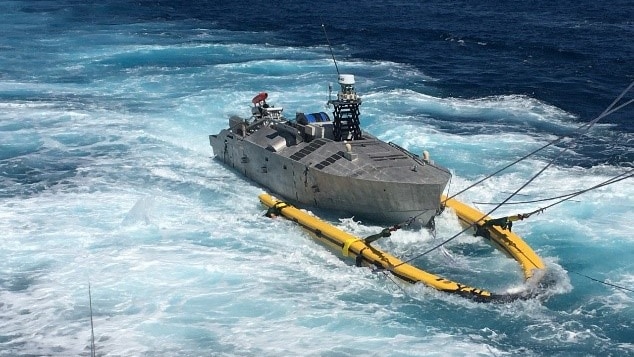
US intelligence believes Iran dropped around a dozen Iranian-made Maham 3 and Maham 7 sea mines in the strait in April. These mines, designed to operate in either deep or shallow waters, are challenging to detect and neutralize. Traditional mine clearance methods, such as using crewed ships with sonar and mechanical devices, are being phased out in favor of unmanned systems like underwater drones, helicopters, and remote-controlled robots.
However, the US Navy's transition to lighter vessels known as littoral combat ships and their reliance on high-tech equipment may face challenges in the strait's often murky waters and poor underwater visibility.
Written by urgent.news from ABC News AU's reporting — not their text. Machine-written — may contain errors; check the original before relying on it.