America’s Israel debate has changed. Indonesia must notice
As American public opinion changes inexorably regarding their country's policy toward Israel, Indonesians should pay heed to how the voices of ordinary voters may ultimately redefine the future of US policy toward Palestine.
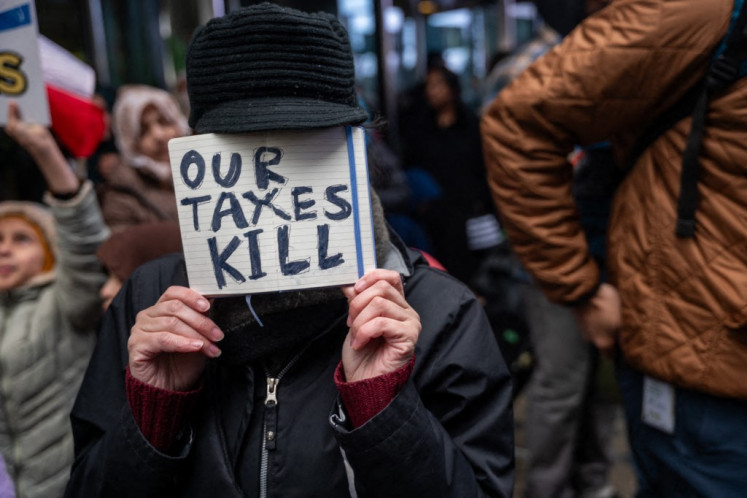
The enduring support for Israel in American foreign policy has been challenged by shifting public opinion. For decades, American presidents, regardless of party affiliation, largely maintained the US-Israel relationship as a non-negotiable foreign policy priority. However, recent events have led to a notable change in the Overton window of acceptable viewpoints.
This window, which represents the range of positions considered politically viable, has expanded to include ordinary voters, Jewish Americans, veterans, church leaders, and politicians who once feared expressing criticism of Israel due to potential career repercussions.
The transformation is primarily driven by a generational shift. Younger Americans, who did not experience the historic conflicts like the Six-Day War or Yom Kippur War, have come to view Israel primarily through the lens of ongoing issues such as the occupation of the West Bank, repeated conflicts in Gaza, and the pervasive nature of social media, which rapidly disseminates images of civilian suffering.
This evolving public sentiment suggests a potential realignment in US policy toward Palestine. As American public opinion evolves, Indonesians should take note of how the voices of the ordinary citizenry may ultimately shape the future trajectory of US-Israel relations.
Written by urgent.news from The Jakarta Post Academia's reporting — not their text. Machine-written — may contain errors; check the original before relying on it.