Energy company sues data center over who should pay for AI buildout
At issue is who pays to expand energy infrastructure when a data center needs as much electricity as a midsize city.
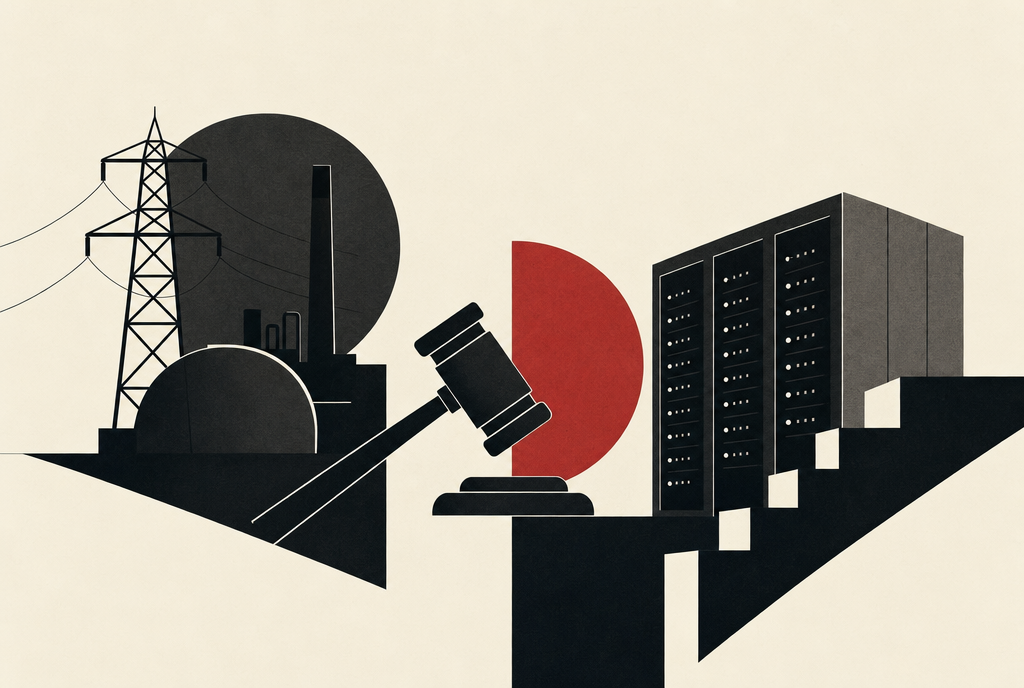
Nevada's largest energy provider, NV Energy, has initiated legal proceedings against data center developer Tract Capital Management, alleging that the latter is attempting to pass on costs to consumers. The dispute centers on the question of who should bear the financial burden of expanding energy infrastructure to accommodate data centers that consume as much electricity as a midsize city.
Tract's two proposed campuses near Reno are projected to draw more than 2 gigawatts of power, which represents nearly a third of NV Energy's generating capacity. NV Energy, which serves 90% of the state's residents, warns that it may have to increase rates if Tract does not contribute more to the infrastructure costs. This marks the first instance of a major utility company suing a data center developer, and the case could set a precedent for determining responsibility for the costs of building infrastructure needed to power the AI boom.
NV Energy spokesperson Katie Jo Collier stated that projects creating new infrastructure or energy costs must bear those expenses and cannot shift them onto Nevada families, small businesses, or existing customers. Tract contends that NV Energy is refusing to deliver promised power while simultaneously demanding that the data center developer initiate $1 billion in grid upgrades.
In June, Tract proposed private arbitration to resolve the conflict, but NV Energy subsequently sued to prevent it. NV Energy argues that Tract is using private arbitration to evade public scrutiny and that the legal issue extends beyond contract disputes to encompass the allocation of power usage and the funding of massive infrastructure investments.
The state regulator, the Public Utilities Commission of Nevada, is the only entity qualified to adjudicate these matters, as the answers will impact all ratepayers in the state, not just the two companies involved. Nevada's regulations necessitate that large power users undergo this process, as it ensures that expansion costs are absorbed by the entities responsible rather than being transferred to average ratepayers already on the grid.
NV Energy contends that litigation was unavoidable to prevent the arbitration process. The utility company is legally required to supply power to anyone within its jurisdiction who requests it, and failing to increase infrastructure to meet the heightened demand could lead to rate hikes. Tract counters that NV Energy is waging a "public relations blitz" to fuel anti-data center sentiment.
The company highlights its $127 million investment in Nevada infrastructure projects and a plan for nearly $1 billion in network infrastructure upgrades that would benefit all of NV Energy's customers. The root of the disagreement, according to Tract, lies in NV Energy's inadequate planning for the power it promised to provide and its subsequent attempt to invoke the Public Utilities Commission's jurisdiction as a means to shield itself from responsibility.
This case underscores the growing tension between data centers, energy companies, and utility providers as the AI boom drives up energy demands. Nevada, which has long been attractive to data centers due to its relatively low energy rates compared to California, now faces the potential backlash of utility companies seeking to shift the financial responsibility for their increased energy consumption.
Written by urgent.news from CBS News's reporting — not their text. Machine-written — may contain errors; check the original before relying on it.