Drought and heat push Europe’s power grid to breaking point
High temperatures and low water levels have forced several countries to shut down nuclear reactors just as citizens turn up their air conditioning, forcing energy prices to spike and raising the threat of blackouts
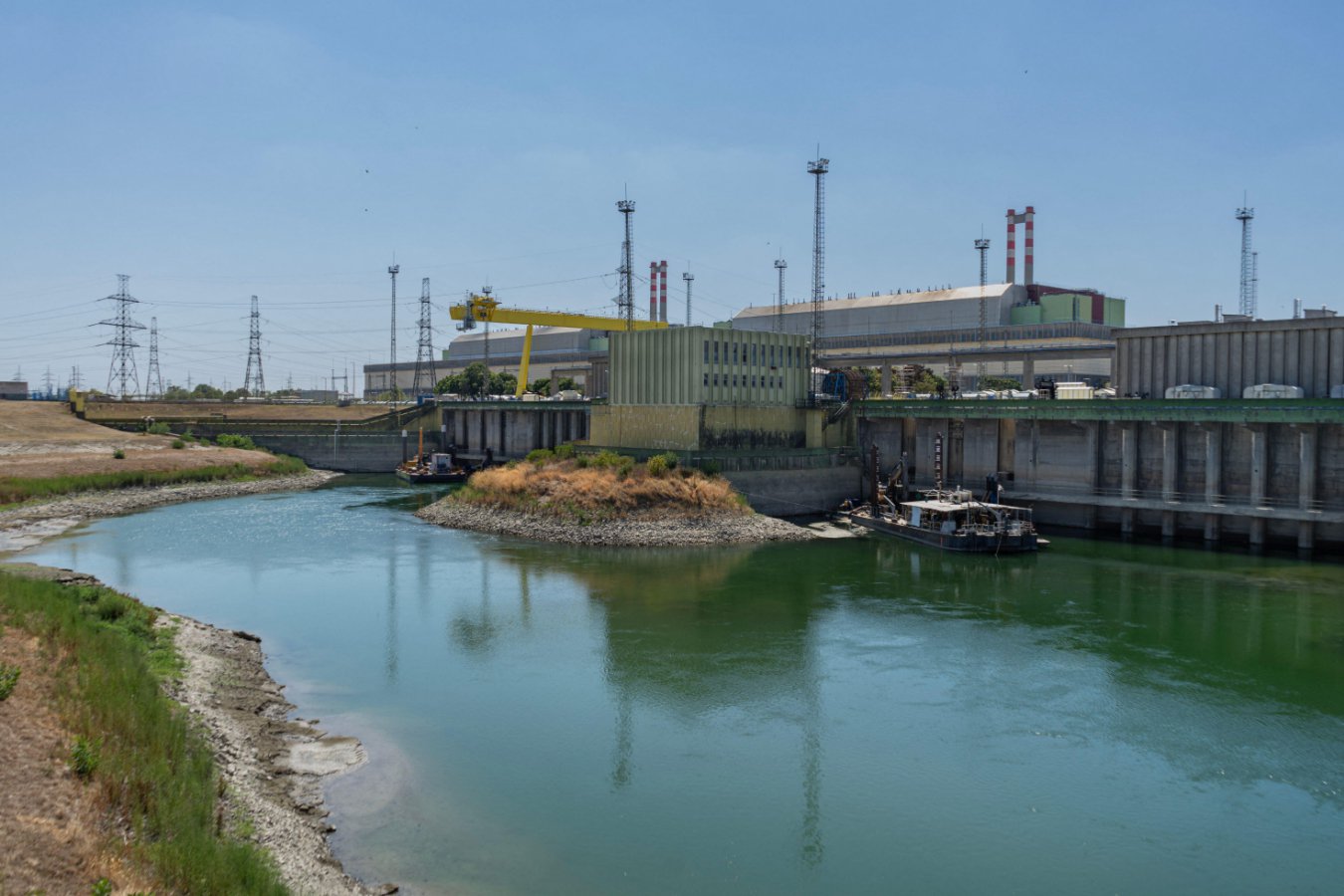
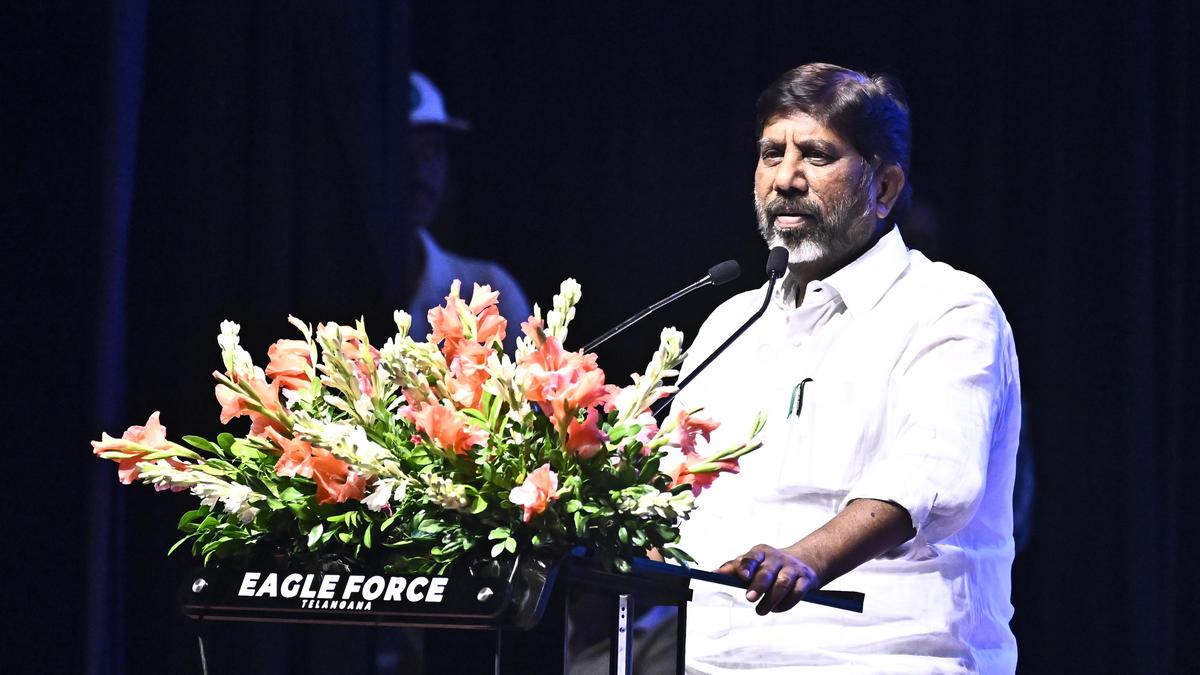
Europe's power grid is facing unprecedented strain due to persistent heatwaves and a severe drought across the continent during the summer of 2026. Hungary's prime minister, Péter Magyar, addressed his nation from the Paks nuclear power plant, which generates 40% of the country's electricity but was forced to shut down all but one of its eight turbines due to the dry conditions on the Danube river.
This leaves Hungary short of its power needs during the country's latest heatwave. Temperatures across Europe reached 40°C (104°F), prompting a surge in electricity demand, largely because of increased air conditioning usage. Prime Minister Magyar urged citizens to conserve electricity, especially during peak evening hours of 5pm and 10pm.
The crisis is not limited to Hungary, as other southern and eastern European countries, such as Romania, Slovenia, and France, have also experienced issues. Romania even considered destroying a rock outcrop to increase water flow towards its Cernavodă nuclear plant to avoid total shutdown. Similarly, Slovenia and France had to close nuclear reactors due to high temperatures and low water levels.
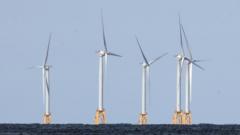
Heatwaves cause a 20% increase in power demand due to a spike in air conditioning use. The prolonged drought has also affected hydropower generation, which fell to its lowest levels in over a decade in July, according to energy analyst Montel. Gas power plants have also had to reduce their output due to cooling water shortages. Solar energy provided a bright spot, delivering record levels of generation across the European Union in June, but without battery storage, solar power is less useful during the evening peak when air conditioning usage is highest.
The unprecedented heatwave has caused power outages and reductions in nuclear power output in France and Switzerland in 2025. However, Europe has so far avoided more severe measures such as power rationing or rolling blackouts. Energy planners predict increased investments in solar, energy storage, and grid flexibility to help manage future extreme temperatures. However, for now, European nations are hoping for a break in the weather.
Written by urgent.news from New Scientist's reporting — not their text. Machine-written — may contain errors; check the original before relying on it.