China vs Japan: the battle for the global microphone to reshape post-war identity
No longer confined to disputed islands or historical memory, the rivalry between Beijing and Tokyo has evolved into a fight for the global microphone, as both countries try to define each other’s international identity. Amid an escalating diplomatic crisis, China is intensifying its rhetoric against what it calls Japan’s “new militarism”, using World War II-era history to rally regional and…
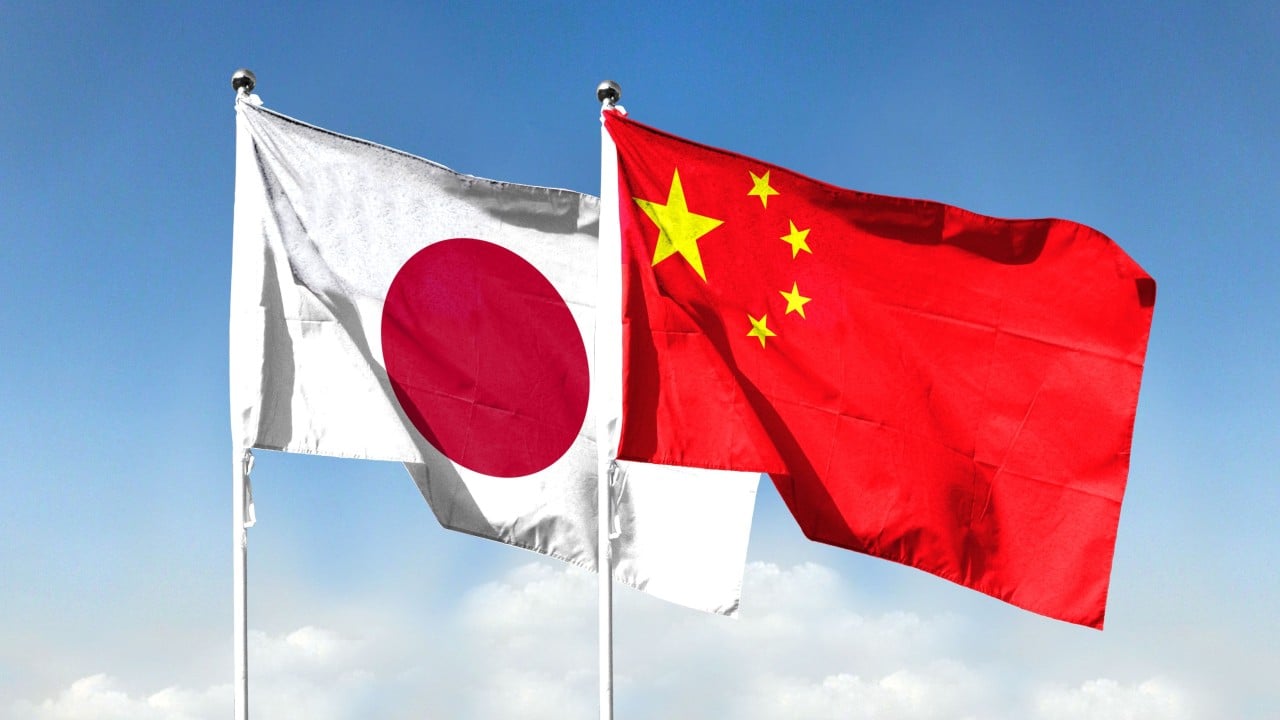
China and Japan are engaged in a fierce rivalry that extends beyond territorial disputes and delves into their global influence and international identity. This rivalry has intensified amid a diplomatic crisis, with China intensifying its criticism of Japan's "new militarism" rooted in World War II-era history. In contrast, Japan rejects the "false claims" label, positioning itself as a defender of regional security, a peace-loving nation, and a victim of coercion.
Beijing's accusations are being tested internationally, as many countries in the Asia-Pacific region and Europe have deepened their defense cooperation with Tokyo.
China argues that Japan's expanding military and opaque military build-ups threaten global stability. To counter this narrative, China should expand historical research and global communications through films, literature, and academic outreach to present World War II realities, according to Shen Yi, executive director of the Centre for National Security Studies at Fudan University in Shanghai. He suggests using AI technologies to present historical facts visually.
In response, Japanese Defence Minister Shinjiro Koizumi dismissed China's accusations as "nothing further from the truth." He argued that it's natural for every country to update their defense capabilities to deal with new challenges. Koizumi also emphasized that China's core agenda is about safeguarding the post-World War II international order, which includes total elimination of Japanese militarism, strict delimitation of territorial scope of Japanese sovereignty, and preservation of Japan's pacifist constitutional order.
Japan has long sought to diminish global awareness of its wartime atrocities, aiming to sever its modern identity from its aggressor past. The Western-centric global World War II narrative, which has marginalized non-Western victims, particularly in Asia, has facilitated this effort. Tokyo has attempted to deflect discussions about its wartime past during public appearances.
A Japanese scholar noted that responding to Beijing's accusations with Japan's post-war pacifism could validate historical parameters set by China. Instead, Tokyo must devise a sophisticated strategy to neutralize this rhetoric, by engaging transparently in defense diplomacy.
Despite China's lower trust score in Southeast Asia, the bloc remains committed to avoiding taking sides in major-power disputes. This stance is rooted in complex World War II experiences, such as Myanmar being under Western colonial rule before Japan's invasion. The Japanese army's widespread wartime abuses across Southeast Asia shifted post-war dynamics, with Tokyo launching the "Fukuda Doctrine" in 1977, pledging Japan would never become a military power.
This policy also committed to building "heart-to-heart" partnerships with Southeast Asian countries as equal economic partners, effectively neutralizing anti-Japanese sentiment and rebuilding regional trust.
Written by urgent.news from Reuters Business via SCMP's reporting — not their text. Machine-written — may contain errors; check the original before relying on it.
This story
This is one outlet's version. Read the fullest account.