China vs Japan: the battle for the global microphone to reshape post-war identity
No longer confined to disputed islands or historical memory, the rivalry between Beijing and Tokyo has evolved into a fight for the global microphone, as both countries try to define each other’s international identity. Amid an escalating diplomatic crisis, China is intensifying its rhetoric against what it calls Japan’s “new militarism”, using World War II-era history to rally regional and…
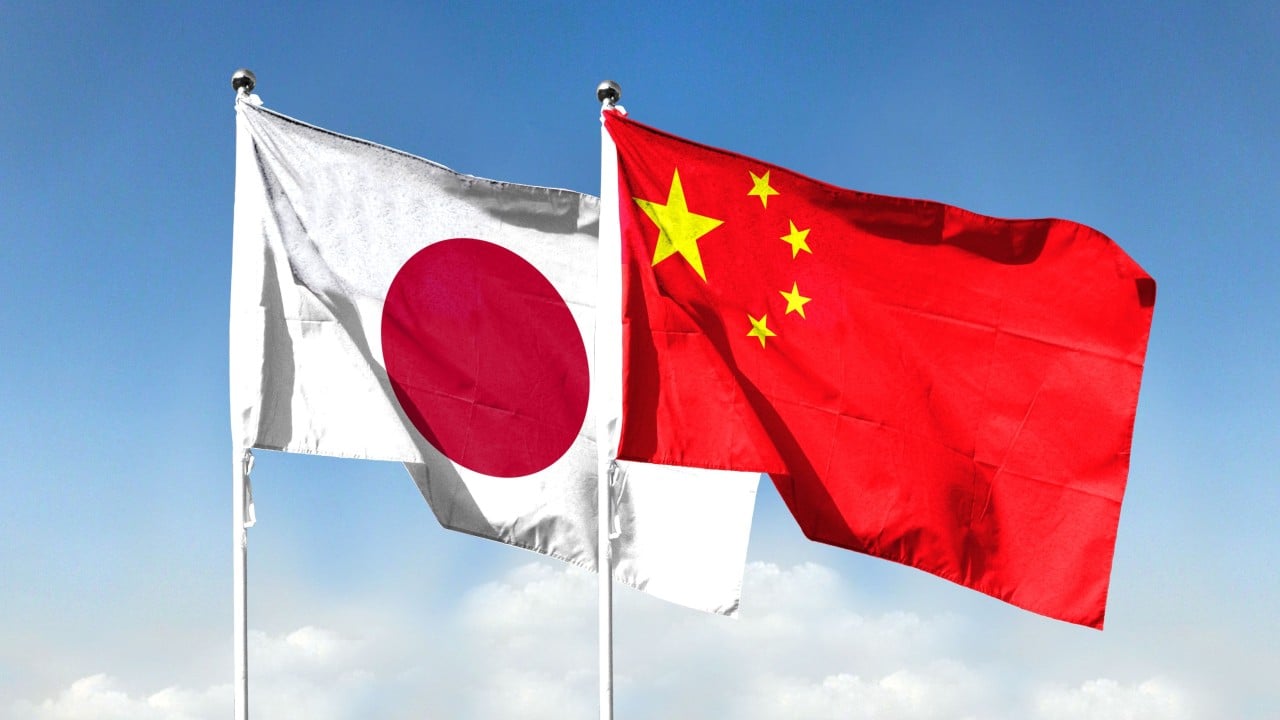
The rivalry between China and Japan has transcended territorial disputes and historical grievances, transforming into a global battle for influence and the narrative framing of post-war identities. As diplomatic tensions escalate, China is employing World War II-era history to rally sympathy for its stance, accusing Japan of a "new militarism" rooted in past aggression. Japan, however, rejects these claims, asserting itself as a peace-loving nation and a victim of coercion.
China's rhetoric against Japan's "new militarism" is yet to gain traction abroad, yet many countries across the Asia-Pacific region and Europe have bolstered their defense cooperation with Tokyo. Shen Yi, executive director of Fudan University's Centre for National Security Studies, argues that China must address the distorted global narrative that has obscured the atrocities Japan inflicted on China and other nations during World War II.
To combat this, Beijing should expand historical research and global communication through films, literature, and academic outreach, utilizing modern technologies like AI to present historical facts in visual formats.
At the May Shangri-La Dialogue, Japanese Defence Minister Shinjiro Koizumi rejected China's accusations of new militarization, stating that it is natural for countries to update their defense capabilities in response to evolving challenges. Koizumi emphasized that China's core agenda goes beyond the rise of new militarism in Japan; it is about preserving the post-World War II international order, which requires upholding the legal frameworks established by the 1943 Cairo Declaration and the 1945 Potsdam Proclamation.
Shen contends that Tokyo has long sought to diminish global awareness of its wartime atrocities, seeking to separate its modern identity from its aggressor past. He argues that Western-centric narratives of World War II have inadvertently facilitated this effort by marginalizing non-Western victims, particularly in Asia. Tokyo has attempted to deflect discussions about its wartime past during public events, and some scholars warn that responding to China's accusations by citing Japan's post-war pacifism may validate the historical parameters set by China.
Professor Masahiro Matsumura of St. Andrew's University in Osaka argues that engaging in an exhausting, asymmetrical debate over past grievances is a losing proposition for Japan. Instead, he suggests that Tokyo must devise a sophisticated strategy to neutralize this rhetoric. Japan should proactively engage and reassure its neighbors through transparent defense diplomacy, ensuring that China cannot exploit the ghosts of the 20th century to create divisions between Japan, Western allies, and vital East Asian neighbors.
This year, Japan maintained its status as Southeast Asia's most trusted major power, with 65.6% of regional respondents expressing confidence in Tokyo. China scored much lower at 39.8%, although trust in Beijing surpassed distrust for the first time since the survey began in 2019. Southeast Asian countries prioritize their immediate interests, and Shen argues that opposition to the resurgence of Japanese militarism should be a shared regional security agenda, ensuring that neighboring countries understand the dangers and coordinate to safeguard regional peace and stability.
Ge Hongliang, vice-dean of the Asean College at Guangxi Minzu University, explains that this centrality is rooted in Southeast Asia's complex World War II experiences. Some countries under Western colonial rule viewed Japanese forces as a tactical means to expel European powers, while post-war dynamics rapidly shifted with Washington's Asia policy focused on Cold War containment.
The "Fukuda Doctrine" of 1977, which pledged Japan's commitment to remaining a non-military power and fostering economic partnerships with Southeast Asian countries, helped neutralize anti-Japanese sentiment and rebuild regional trust.
Written by urgent.news from South China Morning Post's reporting — not their text. Machine-written — may contain errors; check the original before relying on it.